


Artificial turf warranties typically range from 8 to 18 years depending on the manufacturer and product type. Most warranties cover defects in materials, UV resistance, and color retention, but they often include specific maintenance requirements that homeowners must follow to keep coverage valid.
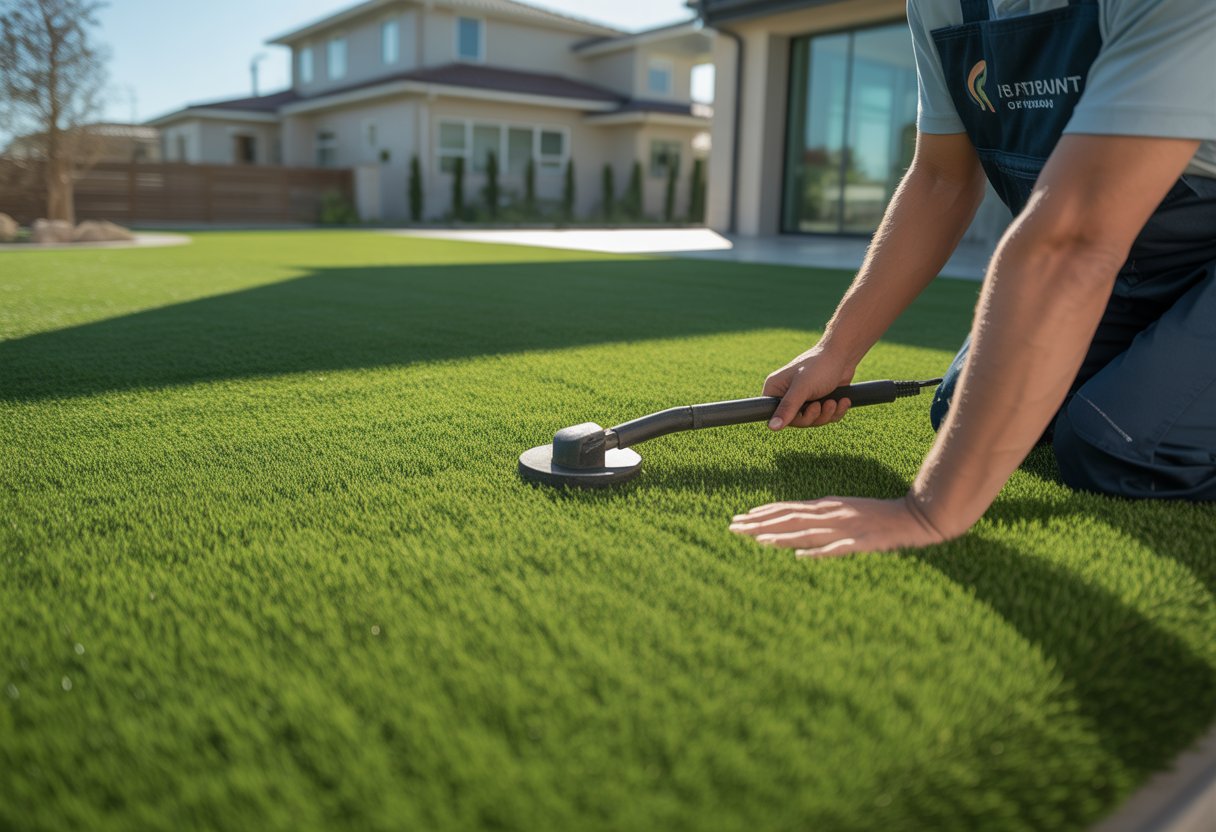
Understanding warranty terms and exclusions helps homeowners protect their artificial turf investment and avoid unexpected repair costs. Many warranties use pro-rated coverage, which means the replacement value decreases over time. The coverage also varies significantly between residential and commercial installations.
Proper maintenance plays a crucial role in keeping warranties active, which is why working with professional cleaning services becomes essential. Companies like Sparkly Turf specialize in maintaining artificial turf to manufacturer standards while using pet and family-friendly cleaning solutions. This article explores warranty coverage details, common limitations, brand comparisons, and maintenance requirements to help homeowners make informed decisions about their artificial turf investment.
Understanding Artificial Turf Warranties

Artificial turf warranties protect homeowners from defects and premature wear in synthetic turf products. These product warranties typically cover material flaws, color fading, and installation issues for specific time periods.
Types of Artificial Turf Warranties
Most synthetic turf purchases include two distinct warranty types that cover different aspects of the installation.
Manufacturer warranties protect against defects in the turf materials themselves. These cover issues like:
- Material construction flaws
- Stitching irregularities
- Backing problems
- Color fading from UV exposure
The manufacturer stands behind their product quality and manufacturing process.
Installation warranties cover problems related to the installation work. Common coverage includes:
- Improper seam bonding
- Uneven surface preparation
- Inadequate infill distribution
- Drainage issues
Installation companies provide these warranties separately from manufacturer coverage. Both warranty types work together to protect the complete artificial turf system.
Warranty Periods and Duration
Warranty lengths vary significantly based on product quality and warranty type.
Manufacturer warranties typically last 8 to 15 years for residential synthetic turf. Premium products often include longer coverage periods. UV protection warranties usually guarantee against significant fading during this timeframe.
Installation warranties are shorter, ranging from 1 to 3 years. These cover initial installation problems that become apparent after completion.
Higher-quality turf products generally include longer warranty periods. Companies confident in their materials offer extended coverage as a selling point.
Warranty duration often reflects expected product lifespan. Longer warranties indicate manufacturer confidence in durability and performance.
Eligibility and Transferability of Warranty
Warranty eligibility depends on proper maintenance and usage conditions.
Most warranties require homeowners to follow specific care instructions. This includes regular cleaning, debris removal, and proper brushing techniques. Failure to maintain the turf properly can void coverage.
Common warranty exclusions include:
- Improper installation by unlicensed contractors
- Damage from abuse or vandalism
- Natural disasters like floods
- Normal wear and tear beyond specified limits
Transferable warranties add value when selling homes. Many manufacturer warranties transfer to new homeowners, while installation warranties may not transfer.
Homeowners must keep detailed records of purchase receipts, installation documentation, and maintenance activities. These documents are essential for warranty claims and transfers.
Coverage Details of Artificial Turf Warranties

Artificial turf warranties typically protect against material defects, color fading from UV exposure, and premature wear under normal use conditions. Most warranties exclude damage from improper installation, extreme weather, or misuse.
What Is Covered Under the Warranty
Standard artificial turf warranties cover three main areas of protection. Material defects include problems with stitching, backing irregularities, and manufacturing flaws that affect the turf’s structure.
Coverage typically includes:
- Defective stitching or seam separation
- Backing material failures
- Fiber construction problems
- Premature deterioration under normal use
Warranties protect against significant wear that occurs faster than expected. Normal foot traffic and regular use should not cause major damage within the warranty period.
Most manufacturers define normal use as typical residential activities. Heavy machinery, sharp objects, or commercial-level traffic often fall outside warranty coverage.
Ultraviolet Degradation Protection
UV protection represents a critical component of artificial turf warranties. Quality manufacturers include UV stabilizers in their products to prevent rapid color loss from sun exposure.
UV warranty coverage includes:
- Significant color fading beyond normal limits
- Fiber degradation from sun exposure
- Loss of structural integrity due to UV damage
Warranty periods for UV protection typically range from 8 to 15 years. The coverage protects against excessive fading that goes beyond what manufacturers consider acceptable aging.
Temperature extremes can affect UV protection effectiveness. Some warranties specify geographic limitations based on climate conditions and sun exposure intensity.
Limited Warranty Provisions
Limited warranty provisions outline specific restrictions and exclusions that homeowners must understand. These provisions define what situations void the warranty coverage.
Common exclusions include:
- Improper installation by unqualified installers
- Damage from pets, chemicals, or sharp objects
- Natural disasters like floods or earthquakes
- Failure to follow maintenance requirements
Warranty transferability varies between manufacturers. Some allow transfer to new homeowners while others restrict coverage to original purchasers only.
Documentation requirements include keeping purchase receipts, installation records, and maintenance logs. Failure to provide proper documentation can result in denied claims.
Most warranties require professional installation by certified contractors. DIY installation typically voids manufacturer warranty coverage completely.
Common Warranty Exclusions and Limitations
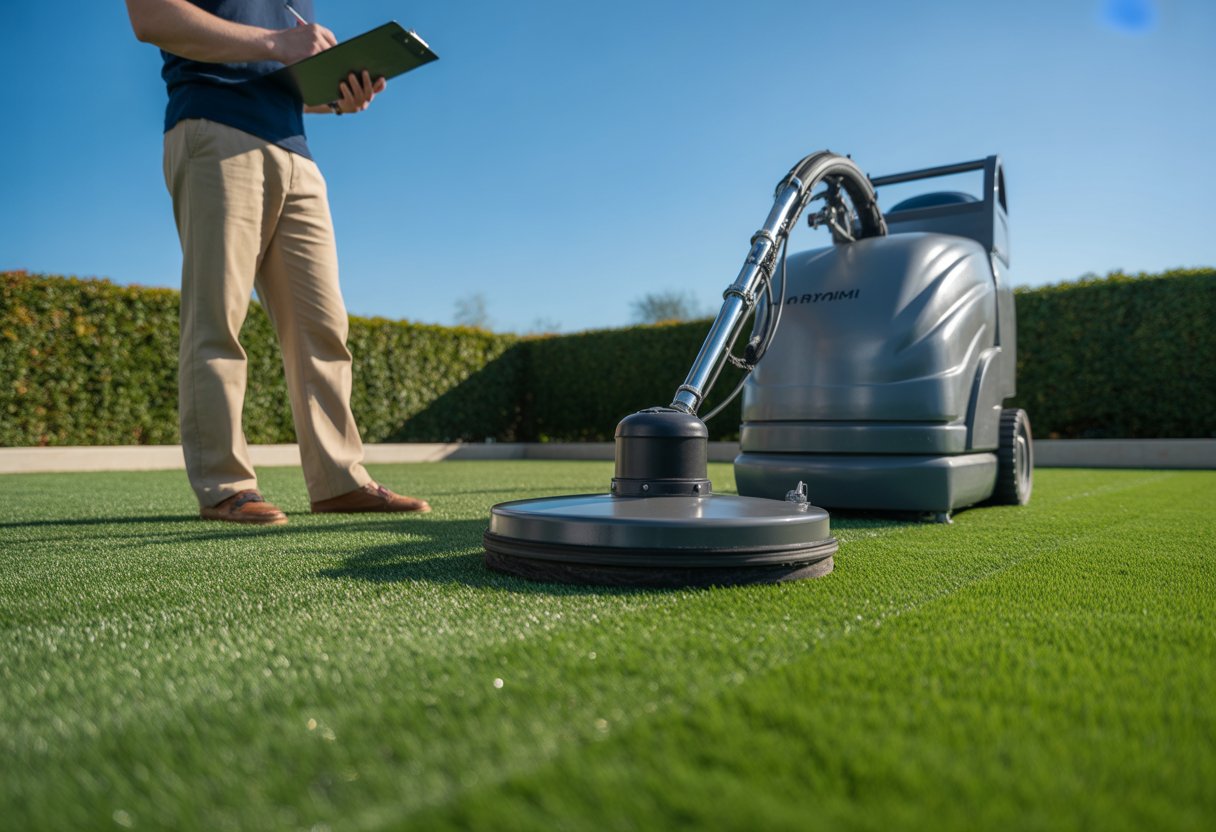
Most artificial turf warranties contain specific exclusions that limit coverage for damage caused by normal use, poor installation, chemical exposure, and ownership changes. These limited warranty terms protect manufacturers from claims beyond their control while still covering manufacturing defects.
Normal Wear and Tear Limitations
Artificial turf warranties typically exclude damage from regular daily use over time. This includes pile crushing from foot traffic, sports activities, and furniture placement.
Most warranties do not cover gradual color changes from normal sun exposure. They only protect against excessive UV degradation that happens faster than expected.
Common wear exclusions include:
- Flattened grass fibers from heavy use
- Minor color variations between turf sections
- Natural settling of infill materials
- Small tears from normal outdoor activities
Pet damage often falls under normal wear limitations. While some warranties cover pet urine resistance, they may not cover damage from digging or excessive scratching.
The warranty period usually decreases coverage over time through pro-rated terms. A 15-year warranty might only cover 50% of replacement costs after year 10.
Improper Installation and Maintenance Issues
Poor installation practices void most artificial turf warranties completely. Manufacturers require professional installation or strict adherence to their guidelines.
Installation issues that void warranties:
- Incorrect base preparation or drainage
- Wrong adhesive or seaming techniques
- Improper infill amounts or types
- Installation over unsuitable surfaces
Maintenance requirements must be followed to keep warranties valid. This includes regular brushing, debris removal, and proper cleaning methods.
Using harmful cleaning products or equipment can void coverage. Warranties often specify approved cleaning solutions and prohibit certain chemicals.
Neglecting basic care like removing leaves or addressing drainage problems may eliminate warranty protection. Manufacturers expect reasonable upkeep to maintain turf quality.
Environmental and Chemical Damage
Most limited warranty policies exclude damage from extreme weather events and chemical exposure. These conditions fall outside normal manufacturing quality control.
Common environmental exclusions:
- Hail damage and severe storms
- Flooding and standing water damage
- Extreme temperature fluctuations
- Fire and smoke damage
Chemical damage from fertilizers, pesticides, or cleaning products typically voids coverage. Even small amounts of bleach or harsh detergents can cause permanent damage.
Pet treatments and lawn chemicals applied before installation may affect warranty coverage. The turf surface can react with residual chemicals in the soil.
Pool chemicals and salt water exposure are usually excluded. These substances can break down turf fibers and backing materials over time.
Non-Transferable Conditions
Most artificial turf warranties do not transfer to new property owners. The coverage ends when the original purchaser sells their home.
Some manufacturers offer transferable warranties for an additional fee. This option must be purchased at installation and requires proper documentation.
Transfer requirements typically include:
- Original purchase receipts and warranty papers
- Professional inspection of turf condition
- Payment of transfer fees to manufacturer
- Notification within specific time periods
Commercial installations often have different transfer rules than residential properties. Business warranty transfers may require proof of proper maintenance records.
Rental properties face additional warranty limitations. Some manufacturers exclude coverage for properties with frequent tenant changes.
Comparing Artificial Turf Warranty Terms by Leading Brands
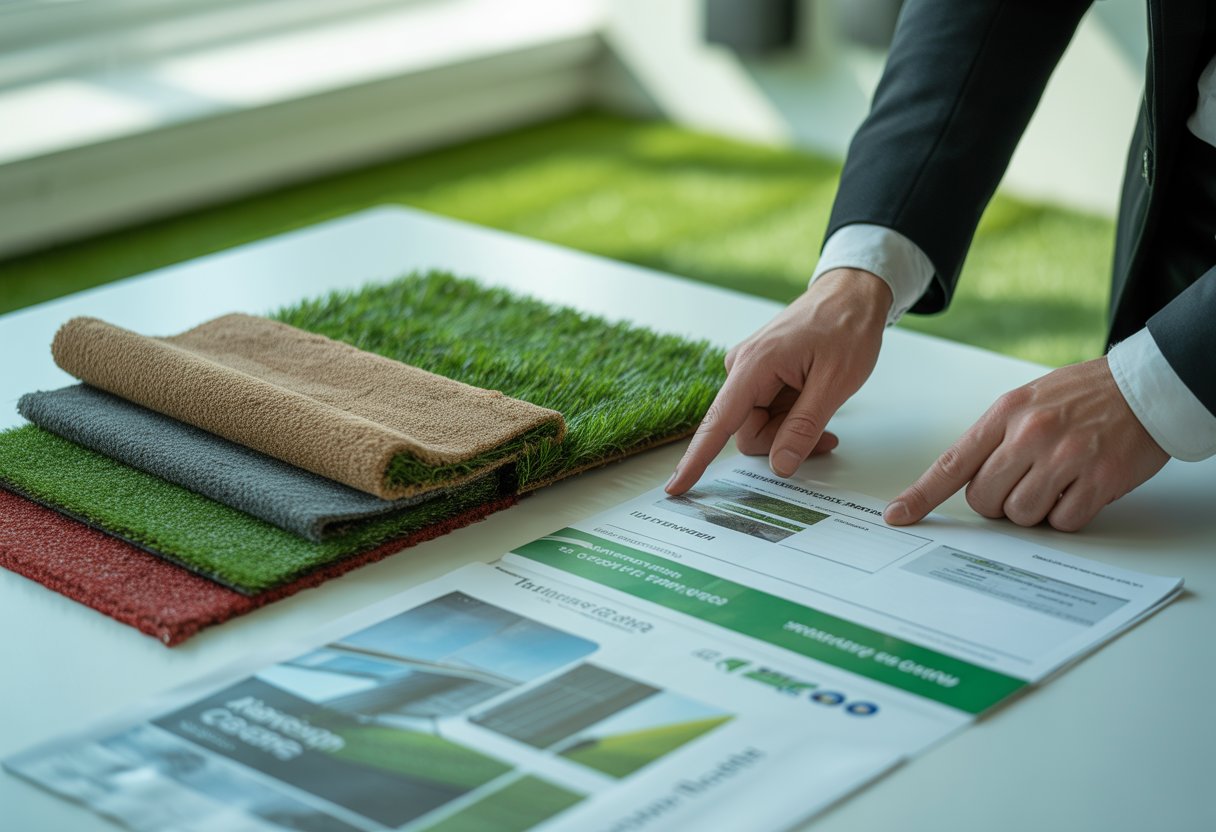
Major synthetic turf manufacturers offer different warranty periods and coverage types. Product warranties typically range from 8 to 18 years depending on the brand and installation type.
Sample Warranty Periods from Top Manufacturers
Most artificial turf companies provide longer warranties for residential use than commercial applications. Residential warranties commonly last 15-18 years, while commercial warranties range from 8-12 years.
Here are typical warranty periods from leading brands:
| Installation Type | Common Warranty Length |
|---|---|
| Residential | 15-18 years |
| Commercial | 8-12 years |
| Heavy Traffic Areas | 6-10 years |
Some manufacturers offer pro-rated warranties that decrease in value over time. Others provide full replacement coverage for the first few years.
The warranty period often depends on the turf quality and price point. Premium synthetic turf products usually come with longer coverage periods.
Warranty Coverage Differences
Product warranties mainly cover manufacturing defects in the yarn, backing, and overall construction. Most warranty coverage includes protection against UV damage, color fading, and material breakdown.
Common warranty exclusions include:
- Improper installation
- Poor maintenance practices
- Damage from chemicals or pets
- Normal wear from heavy use
Installation warranties are separate from product warranties. These typically cover workmanship issues for 1-5 years after installation.
Some manufacturers require specific maintenance routines to keep warranties valid. This often includes regular cleaning and avoiding harmful chemicals on the synthetic turf surface.
The Importance of Proper Maintenance for Warranty Validity
Most artificial turf warranties require customers to follow specific maintenance rules to keep their coverage active. Failing to maintain synthetic turf properly can void warranty protection and lead to costly repairs or replacements.
Manufacturer’s Maintenance Guidelines
Every synthetic turf manufacturer provides detailed maintenance instructions that customers must follow to maintain warranty coverage. These guidelines typically include specific cleaning schedules and approved cleaning methods.
Most manufacturers require regular brushing to keep turf fibers upright. They also specify how often homeowners should rinse the surface to remove debris and prevent buildup.
Common maintenance requirements include:
- Weekly brushing with approved equipment
- Monthly deep cleaning sessions
- Immediate cleanup of spills and stains
- Regular inspection for damage or wear
Manufacturers often list banned substances that can damage turf fibers. Using harsh chemicals like bleach or oil-based cleaners typically voids warranty coverage immediately.
Some companies require photo documentation of maintenance activities. This helps prove that customers followed proper care procedures if warranty claims arise later.
Impacts of Improper Cleaning
Using wrong cleaning methods can permanently damage synthetic turf and automatically void warranty protection. Many homeowners unknowingly use products that manufacturers specifically prohibit.
Harsh chemicals can break down turf backing materials and cause premature fiber deterioration. This type of damage appears as discoloration, matting, or complete fiber loss in affected areas.
Cleaning mistakes that void warranties:
- Using pressure washers on high settings
- Applying household cleaners not approved for turf
- Scrubbing with metal brushes or sharp tools
- Allowing chemicals to sit too long on surfaces
Improper drainage maintenance also affects warranty validity. Clogged drainage systems can cause water pooling that leads to backing deterioration and mold growth.
Role of Professional Turf Cleaning Companies
Professional cleaning services help homeowners maintain warranty coverage by using manufacturer-approved methods and equipment. These companies understand specific requirements for different turf brands and products.
Sparkly Turf specializes in artificial turf maintenance and uses only warranty-safe cleaning procedures. Their trained technicians follow manufacturer guidelines exactly to protect customer warranty coverage.
Professional services provide documentation of maintenance activities. This paperwork serves as proof of proper care when filing warranty claims with manufacturers.
Many homeowners schedule quarterly professional cleanings to supplement their regular maintenance routines. This approach ensures they meet all warranty requirements while keeping their synthetic turf in excellent condition.
Why Homeowners Pick Sparkly Turf for Artificial Turf Cleaning
Keeping your artificial turf warranty valid requires proper maintenance with professional cleaning services. Sparkly Turf offers specialized care that protects your investment while extending your synthetic turf’s lifespan.
Protecting Your Warranty with Regular Cleaning
Most artificial turf warranties require customers to maintain proper cleaning methods to keep coverage valid. Manufacturers typically exclude damage from improper maintenance or harmful cleaning chemicals.
Key warranty requirements include:
- Regular debris removal
- Pet-safe cleaning products only
- Professional maintenance when needed
- Avoiding harsh chemicals
Sparkly Turf uses pet-safe and family-friendly cleaning solutions that meet warranty standards. Their methods protect synthetic turf fibers from damage while removing dirt and odors effectively.
Many homeowners void their warranties by using incorrect cleaning products. Professional services ensure compliance with manufacturer requirements while maintaining turf quality.
Benefits of Professional Maintenance
Professional cleaning extends artificial turf life significantly compared to basic homeowner maintenance. images turf cleaning service’s specialized equipment removes embedded dirt that household tools cannot reach.
Their comprehensive process includes:
- Detailed turf inspections
- Precise problem diagnostics
- Deep fiber cleaning
- Complete pet odor removal
- Bacteria elimination
Regular professional maintenance prevents costly replacement needs. Clean synthetic turf maintains its appearance and functionality for years longer than neglected installations.
images turf cleaning service’s truck-mounted cleaning equipment provides deeper cleaning than standard methods. This thorough approach removes contaminants that cause fiber breakdown over time.
Sparkly Turf’s Expertise and Customer Support
Sparkly Turf operates as Las Vegas’ top-rated artificial turf cleaning company. They specialize in both routine maintenance and complete synthetic turf replacement when necessary.
The company offers guaranteed results on all cleaning services. Their experience helps customers decide between cleaning and replacement options based on turf condition.
Sparkly Turf provides:
- Free turf condition assessments
- Customized cleaning plans
- Emergency odor removal
- Ongoing maintenance schedules
Their local expertise with Las Vegas conditions ensures appropriate care for desert climate challenges. The company understands how dust, heat, and pet use affect synthetic turf performance in the region.
How to File a Warranty Claim on Artificial Turf
Filing a warranty claim requires following specific steps and providing proper documentation. Most manufacturers and installers need proof of maintenance and detailed records to process claims successfully.
Steps for Reporting a Claim
Contact your installer or manufacturer immediately when you notice a problem. Most companies require notification within 30 to 60 days of discovering the issue.
Document the problem thoroughly before making contact. Take clear photos from multiple angles showing the defect or damage. Note the date when you first noticed the issue.
Gather your original purchase receipts and installation records. You will need proof of purchase and the installation date to validate your warranty coverage.
Follow the company’s specific claim process. Some require online forms while others accept phone calls or emails. Ask for a claim number to track your request.
Provide detailed descriptions of the problem. Include information about weather conditions, usage patterns, and any maintenance performed recently.
Be prepared for an inspection. Many manufacturers send representatives to examine the turf before approving claims. Schedule this inspection promptly to avoid delays.
Documentation and Proof of Maintenance
Keep detailed maintenance records from the day of installation. Product warranties often require proof of proper care to remain valid.
Document all cleaning activities with dates and methods used. Take photos of your turf quarterly to show its condition over time.
Save receipts for approved cleaning products and professional maintenance services.
Store warranty documents in a safe place with your other important papers. Keep both physical and digital copies of all paperwork.
Create a maintenance log that includes:
- Brushing frequency
- Infill additions
- Cleaning dates
- Product names used
- Weather-related maintenance
Most warranty coverage becomes void if you cannot prove proper maintenance was performed regularly.
Working with Installers and Manufacturers
Understand who handles your specific warranty claim. Installation issues typically go through your installer, while material defects go to the manufacturer.
Maintain professional communication throughout the process. Keep records of all phone calls, emails, and in-person meetings related to your claim.
Ask for realistic timelines for claim resolution. Most companies need 2-4 weeks to investigate and respond to warranty claims.
Know your warranty coverage limits before filing. Some issues may be excluded or subject to pro-rated coverage based on the turf’s age.
Be prepared to work with multiple parties. Your installer may need to coordinate with the manufacturer to determine responsibility for the problem.
Follow up regularly if you don’t receive updates within the promised timeframe.