


Artificial grass has become a popular choice for many homeowners and businesses. It looks great all year round and needs less upkeep than real grass. But it’s not indestructible.
We need to be careful with our fake lawns to keep them looking good. Extreme heat, heavy objects, and certain chemicals can melt, crush, or discolor artificial grass. Knowing what can harm it helps us protect our investment.
Let’s look at some common ways people accidentally damage their artificial turf. We’ll also share tips on how to avoid these problems. With the right care, artificial grass can stay beautiful for many years.
Physical Damage to Artificial Grass
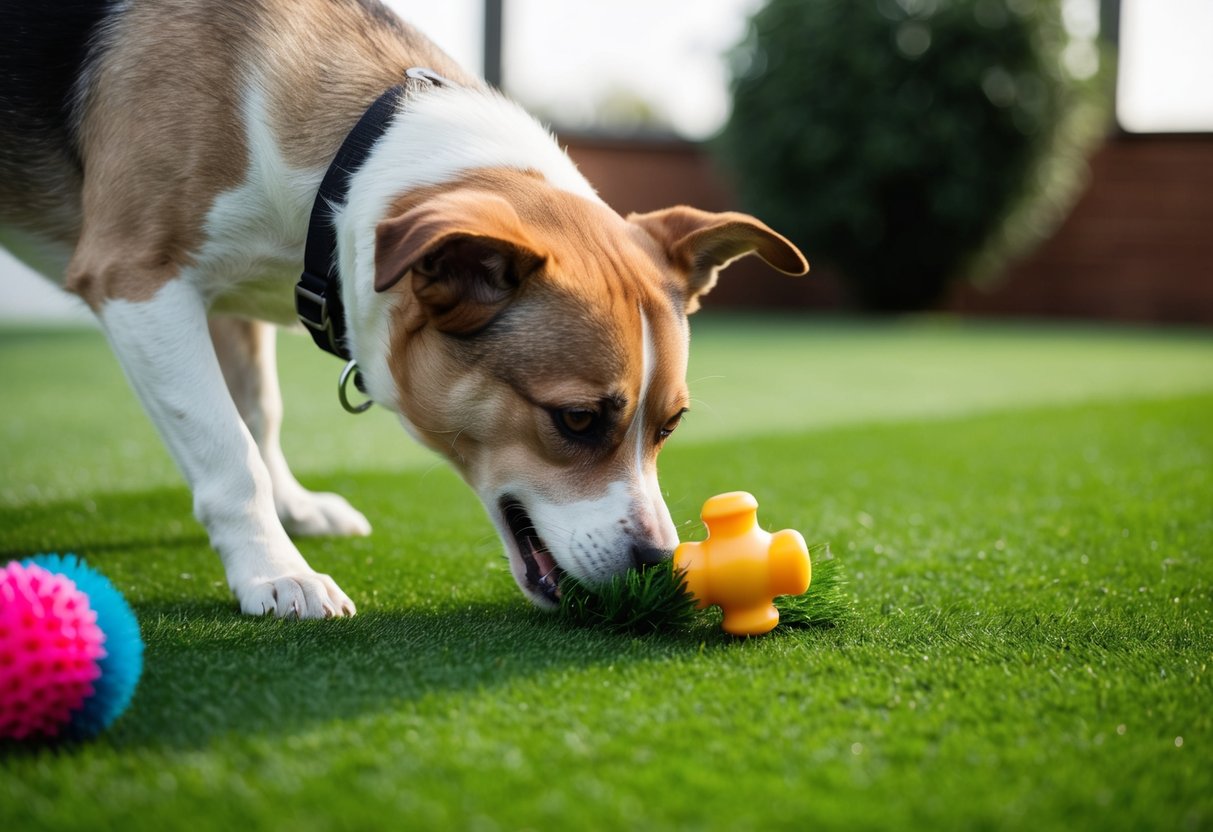
Artificial grass can suffer from various types of physical damage. These issues can affect its appearance and performance over time. We’ll explore the main causes of physical damage to synthetic turf.
Sharp Objects and Furniture
Sharp items can easily cut or tear artificial grass fibers. Knives, garden tools, and broken glass are common culprits. Extreme heat from grills or fire pits can melt the plastic blades.
Heavy furniture with pointed legs may pierce the turf backing. This can create holes or indentations in the surface. To prevent this, we recommend using furniture pads or mats under heavy items.
Dragging objects across the turf can also cause damage. It’s best to lift and carry items rather than pulling them along the grass.
Heavy Loads and Compression
Constant pressure from heavy objects can flatten artificial grass fibers. This leads to uneven areas and reduced bounce-back. Parked vehicles, large planters, or playground equipment are often responsible.
We suggest rotating the position of heavy items regularly. This helps prevent permanent indentations in the turf. For high-traffic areas, choose a more durable artificial grass type with stronger fibers.
Snow and ice buildup can also compress the grass. Remove snow carefully to avoid tearing the fibers. Avoid using metal shovels, as they can damage the turf surface.
Animals and Pest Activity
Pets can cause wear and tear on artificial grass. Dog urine and feces can lead to odors and bacteria buildup if not cleaned promptly. Regular rinsing helps prevent these issues.
Digging animals like moles or gophers may damage the turf from underneath. Installing a protective mesh barrier below the artificial grass can deter these pests.
Birds and other wildlife might try to pull out grass fibers for nesting material. While this is usually minor, it can create small bare patches over time.
Sports and Recreational Use
Active sports can cause more wear on artificial grass than casual use. High-impact activities may lead to fiber separation or matting in heavily used areas.
For sports fields, we recommend choosing turf designed specifically for athletic use. These products have stronger fibers and better shock absorption.
Improper footwear, like cleats or high heels, can puncture or tear the grass. Encourage players to wear appropriate shoes on the turf surface.
Dragging sports equipment or sliding can also damage the fibers. Use designated areas for equipment storage and teach proper techniques to minimize turf wear.
Environmental Factors Affecting Artificial Grass
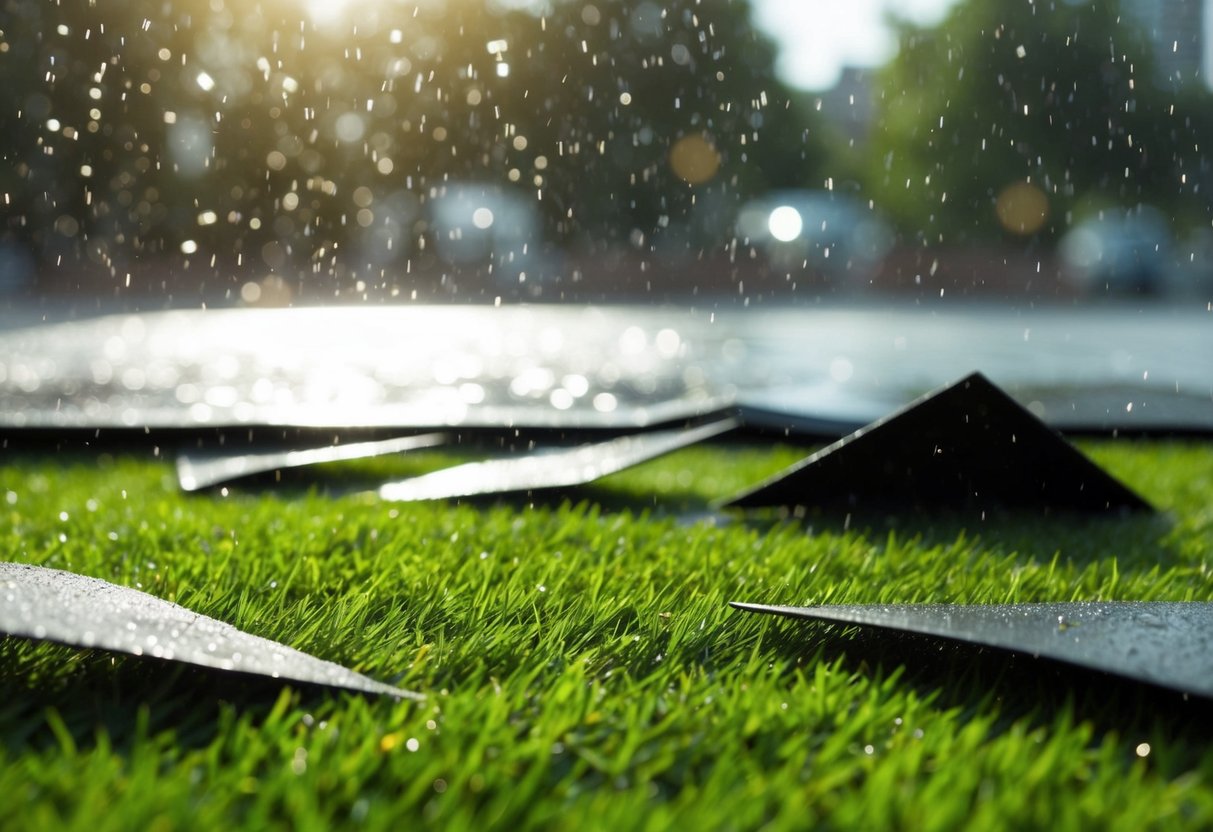
Artificial grass faces several environmental challenges that can impact its appearance and durability over time. We’ll explore the main factors that can affect synthetic turf and how they might damage it.
Extreme Weather Conditions
Harsh weather can take a toll on artificial grass. Heavy rain can cause drainage issues if the turf isn’t installed properly. This may lead to water pooling and potential mold growth.
Strong winds can blow debris onto the grass, scratching or damaging the fibers. In colder climates, snow and ice can compress the blades, affecting their ability to spring back up when the weather improves.
Extreme heat is another concern. Artificial grass can reach temperatures up to 100°C (212°F) on very hot days. This intense heat can cause the fibers to soften and become more prone to wear.
Sunlight and UV Radiation
Constant exposure to sunlight and UV rays can cause significant damage to artificial grass over time. UV radiation can break down the plastic fibers, leading to fading and weakening of the material.
This degradation process can result in:
- Color fading
- Brittleness of fibers
- Reduced durability
To combat this issue, many manufacturers now include UV stabilizers in their products. These additives help protect the grass from sun damage and extend its lifespan.
Pollution and Chemical Exposure
Environmental pollutants and chemicals can also harm artificial grass. Air pollution can leave a layer of grime on the surface, affecting its appearance and feel.
Chemical spills, such as gasoline or strong cleaning agents, can damage the fibers and backing material. Even natural substances like tree sap or bird droppings can stain the grass if left untreated.
Acid rain in some areas may accelerate the breakdown of materials used in artificial turf. Regular cleaning and proper maintenance can help mitigate these issues and keep the grass looking fresh.
Improper Maintenance and Cleaning
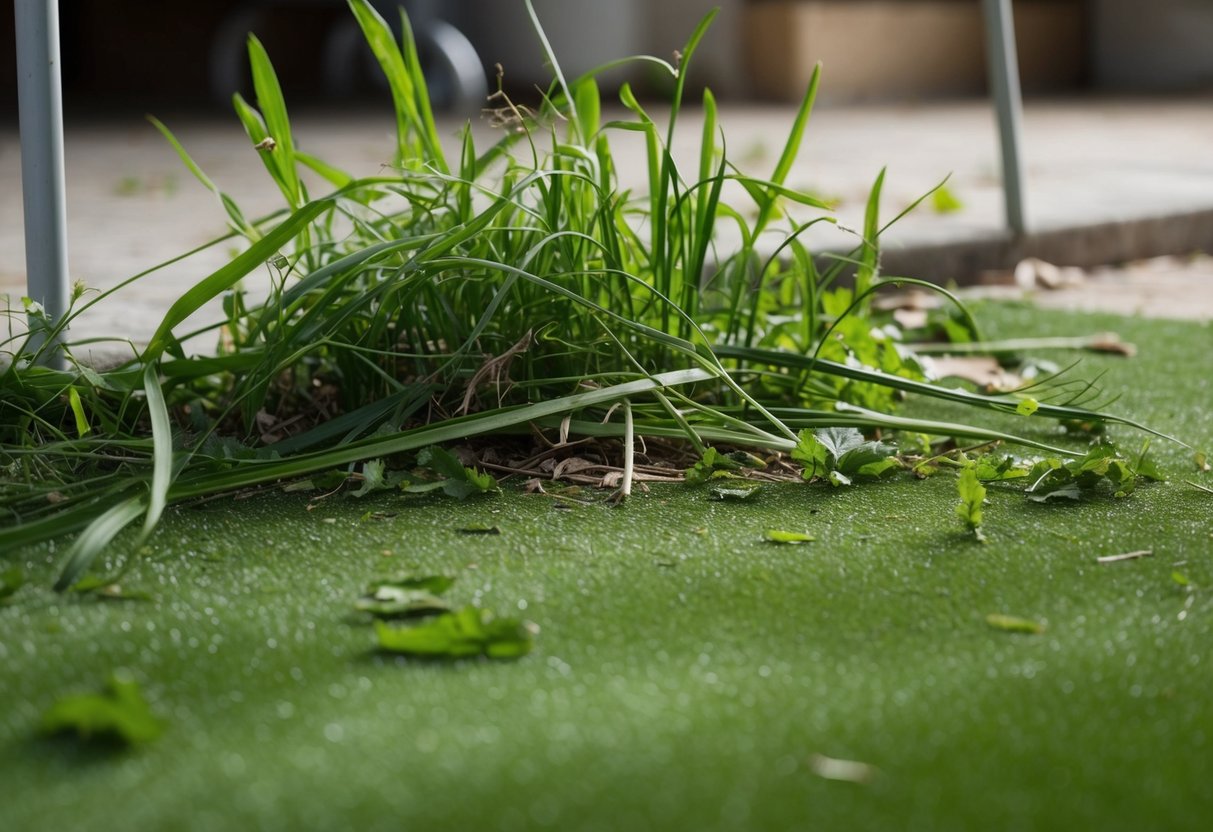
Artificial grass needs proper care to stay in top shape. Bad cleaning habits and poor upkeep can hurt its look and lifespan. Let’s look at some key mistakes to avoid.
Neglecting Regular Cleaning
We can’t stress enough how important it is to clean artificial grass often. Dirt, leaves, and debris build up over time. This can lead to many problems.
Mold and mildew might grow if we don’t clean enough. These can make the grass smell bad and look ugly. They can also be bad for our health.
Weeds can sprout in dirty turf. They might damage the backing and make the grass look messy.
Regular rinsing is a simple way to keep artificial grass clean. We should also brush the blades to keep them upright. This helps the grass look full and natural.
Inappropriate Cleaning Agents
Using the wrong cleaning products can harm artificial grass. We need to be careful about what we put on our turf.
Harsh chemicals and bleach are big no-nos. They can:
- Damage the grass fibers
- Cause discoloration
- Break down the material over time
Harsh chemicals can also hurt the environment. They might kill helpful bugs or seep into the ground.
We should use mild, eco-friendly cleaners made for artificial grass. These are safe and effective. For tough stains, a mix of water and vinegar often works well.
Poor Drainage Systems
Good drainage is key for artificial grass. Without it, water can pool and cause big problems.
Standing water can lead to:
- Mold and mildew growth
- Bad smells
- Damage to the turf backing
We need to make sure water can flow away easily. This means having a good base layer under the grass. It should let water drain quickly.
We should check our drainage system often. If we see water pooling, we might need to fix the base or clean out clogged areas.
Good drainage also helps keep our grass clean. It washes away dirt and debris that could harm the turf.
Installation and Manufacturing Defects

Artificial grass can face issues from poor installation or low-quality materials. These problems can lead to a shorter lifespan and reduced performance of the turf.
Subpar Installation Techniques
Poor installation can cause many problems for artificial grass. Choosing the wrong type of turf for the specific use is a common mistake. Not all artificial grass is the same – different types work best for different applications.
Improper base preparation is another issue. The ground must be level and well-drained. If not, the turf may develop bumps or dips over time.
Incorrect seam joining can create visible lines or gaps. This not only looks bad but can allow weeds to grow through.
We also see issues with inadequate securing of the turf edges. This can lead to lifting or curling at the borders.
Inferior Material Quality
Low-quality materials can seriously impact artificial grass performance. Cheap fibers may break down quickly under UV rays, leading to fading and brittleness.
The backing material is crucial too. Poor quality backing can break down, causing the grass blades to come loose.
Inadequate drainage holes can result in water pooling on the surface. This creates a breeding ground for bacteria and mold.
Some manufacturers use harmful chemicals in their products. We recommend choosing turf that’s free from lead and other toxic substances.
Inferior infill materials can also cause problems. They may compact too much or scatter easily, reducing the turf’s cushioning and stability.
Lifecycle and Wear Over Time

Artificial grass can last 8 to 15 years on average. Some high-quality turfs may even endure for 20 years or more with proper care.
Over time, artificial grass fibers can start to flatten and become matted. This is especially noticeable in high-traffic areas. Heavy use on playgrounds or sports fields may cause faster wear.
To extend the lifespan of artificial grass, we recommend:
• Regular cleaning and maintenance • Rotating furniture and equipment • Promptly cleaning up spills and pet waste • Avoiding harsh chemicals
Pet activities can impact artificial grass over time. Urine and feces may lead to odors and bacteria buildup if not cleaned properly.
Environmental factors also play a role in wear. Exposure to sunlight, temperature changes, and moisture can affect the grass fibers and backing material.
We advise deep cleaning every few months to keep artificial grass looking its best. Weekly hosing down and brushing helps maintain the turf’s appearance and functionality.
By following these tips, we can help artificial grass retain its shape and color for years to come.