


Artificial turf provides years of low-maintenance beauty, but knowing when to clean versus replace your synthetic grass can save you thousands of dollars. Many homeowners struggle with this decision, often spending money on professional cleaning when replacement is needed, or replacing perfectly good turf that just needs proper maintenance.
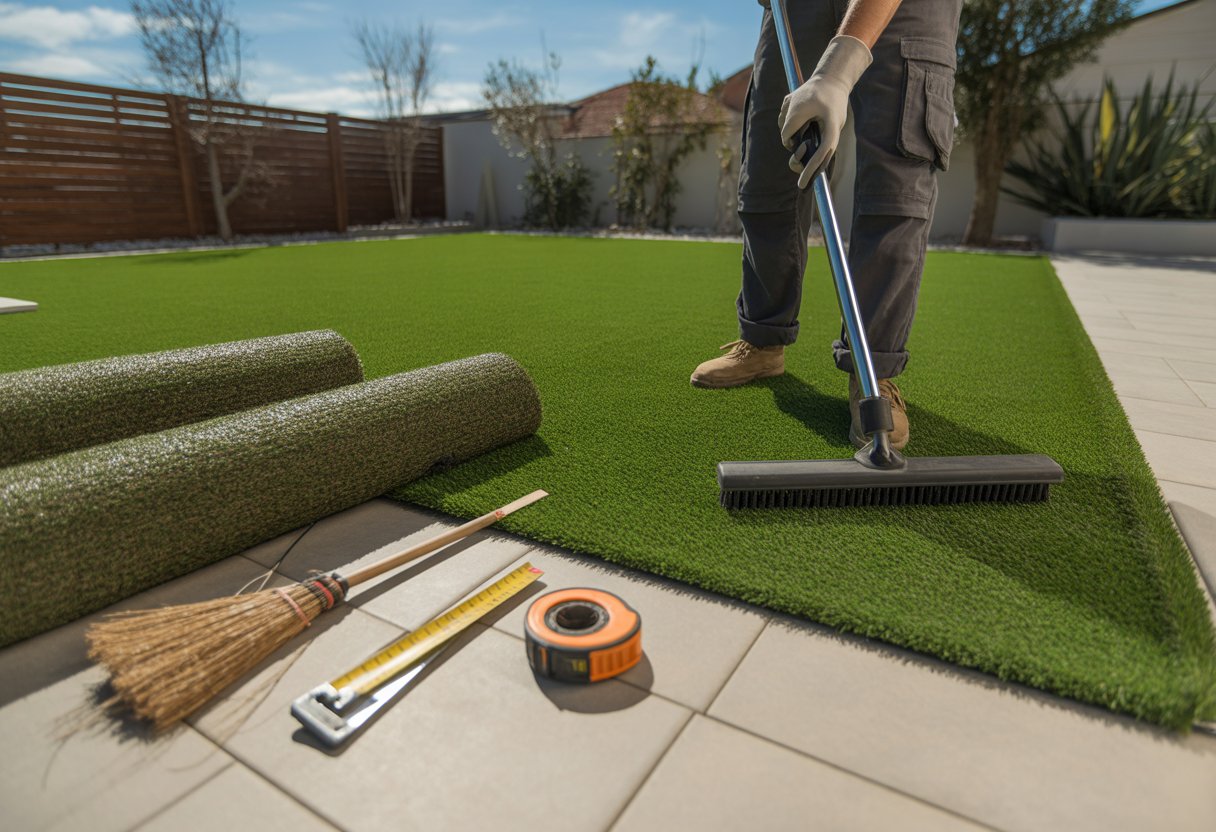
The key difference lies in identifying whether your turf has structural damage and wear that cleaning cannot fix, or surface-level issues that professional maintenance can resolve. Understanding these distinctions helps you make the right choice for your lawn and budget.
We’ll walk you through the specific warning signs that indicate replacement versus cleaning needs, break down the real costs involved, and share proven strategies to extend your turf’s lifespan. You’ll also discover step-by-step approaches for both options and expert techniques that keep your artificial grass looking fresh for years longer than average.
Artificial Turf: Replacement vs. Cleaning
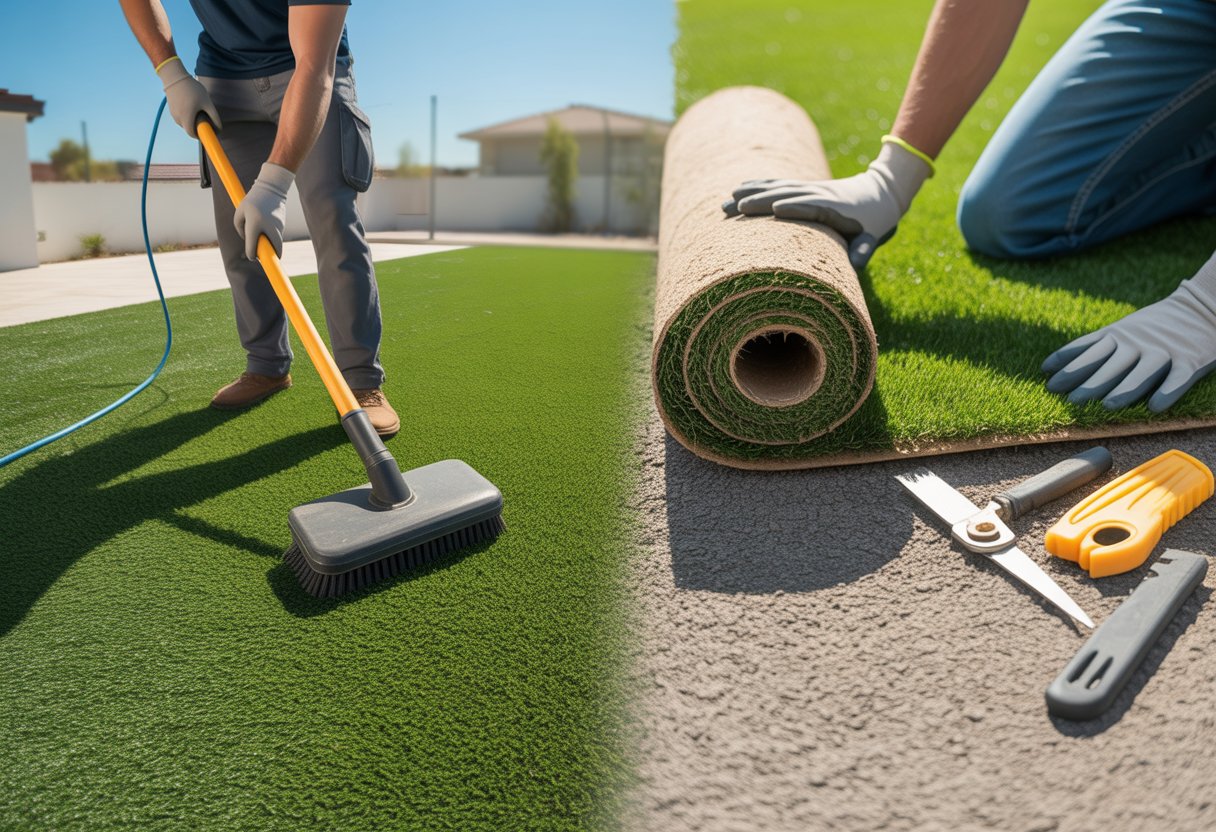
Deciding between artificial turf replacement and cleaning depends on the severity of damage, cost considerations, and the age of your synthetic grass. Most artificial grass can be restored through proper cleaning and maintenance, while replacement becomes necessary when structural integrity fails or safety concerns arise.
Key Differences Between Replacement and Cleaning
Cleaning involves surface-level maintenance to restore appearance and functionality. This includes removing debris, brushing fibers, replenishing infill, and addressing minor wear patterns.
Replacement means completely removing existing synthetic turf and installing new material. This process addresses structural problems, extensive damage, and safety issues that cleaning cannot fix.
| Cleaning | Replacement |
|---|---|
| Costs under $500 for most residential areas | Costs $2-8 per square foot plus installation |
| Takes 1-2 days maximum | Requires 3-7 days depending on size |
| Addresses surface issues | Fixes structural problems |
| Extends current turf life by 2-3 years | Provides 8-20 years of new use |
We can clean synthetic grass to address fading, compacted infill, minor tears, and general wear. These issues don’t compromise the turf’s foundation or safety.
Replacement becomes necessary when we encounter seam separation, backing deterioration, or drainage failure. These problems affect the structural integrity of your low-maintenance lawn.
When to Choose Cleaning Over Replacement
Choose cleaning when your artificial turf shows minor signs of wear but maintains its basic structure. The annual cost of artificial grass maintenance is typically less than $100, making it an affordable first option.
Ideal cleaning candidates include:
- Turf less than 10 years old
- Minor fiber matting or flattening
- Surface stains or discoloration
- Compacted or displaced infill
- Light odors from pets or moisture
We recommend cleaning when the synthetic grass still provides adequate cushioning and traction. If fibers spring back when brushed and seams remain intact, cleaning can restore performance.
Skip cleaning when you notice:
- Visible backing through worn areas
- Seams pulling apart or lifting
- Hard spots that don’t improve with infill
- Persistent drainage problems
- Safety concerns from uneven surfaces
Turf begins to show signs of degradation after around 5 years in high-traffic areas. However, proper maintenance can extend functionality well beyond this timeframe.
Overview of Lifespan and Durability
The lifespan of artificial turf ranges from 8-20 years depending on quality, usage, and maintenance practices. Higher-quality synthetic turf with UV protection typically reaches the upper end of this range.
Factors affecting long-lasting durability:
- Material quality: Premium fibers resist UV damage and wear
- Installation quality: Proper base preparation prevents settling
- Usage intensity: Heavy foot traffic shortens lifespan
- Climate conditions: Extreme heat and cold accelerate aging
- Maintenance frequency: Regular care prevents major problems
Football fields typically need turf replacement every 8 to 12 years due to intense use patterns. Residential installations often last 15-20 years with proper care.
We can maximize durability through regular brushing, infill management, and prompt repair of minor damage. These practices help synthetic grass maintain its appearance and performance throughout its expected lifespan.
Quality artificial grass shows gradual decline rather than sudden failure. This allows us to plan replacement timing based on budget and performance needs rather than emergency situations.
Top Signs Your Artificial Turf Needs Replacement
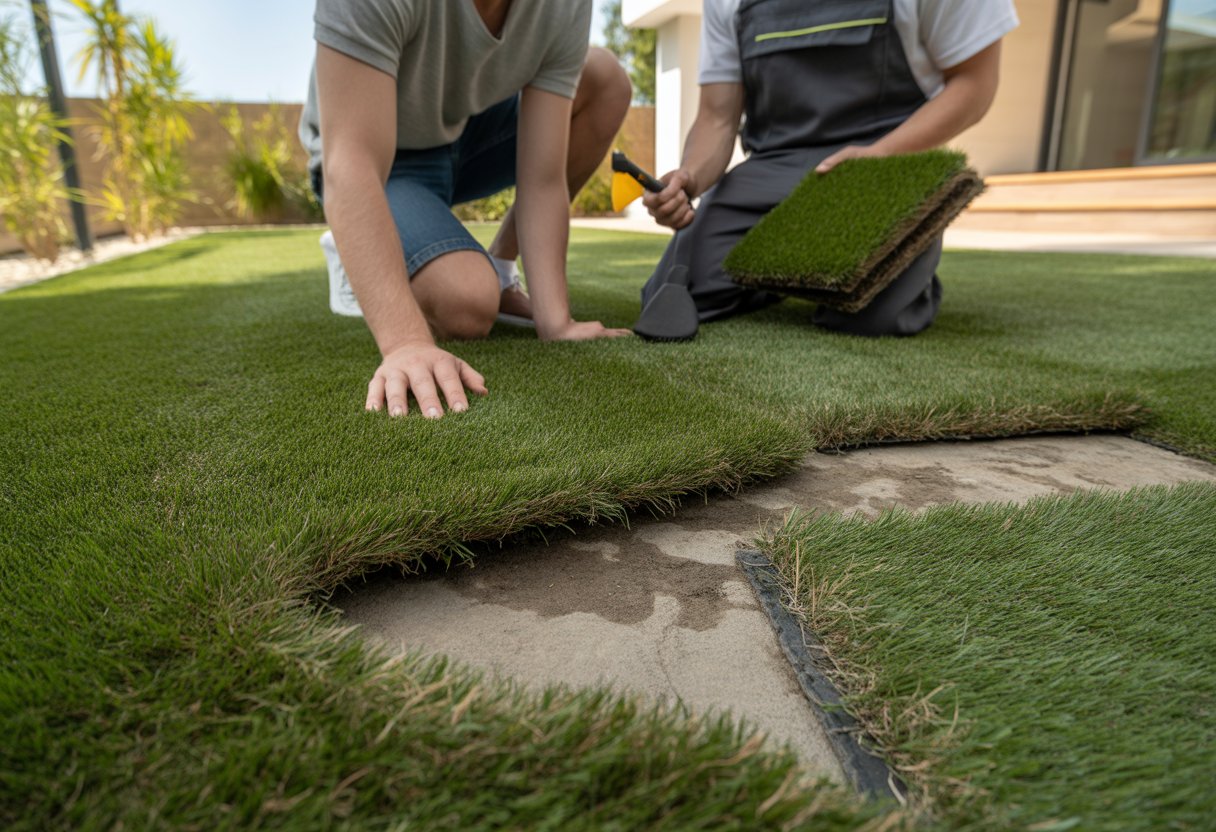
Artificial turf typically shows clear warning signs when it’s reaching the end of its useful life. Key indicators include color changes from UV exposure, blade damage from heavy use, water pooling from failed drainage systems, and ongoing smell or mold problems that cleaning can’t fix.
Fading and Discoloration
UV damage is one of the most common reasons artificial grass loses its vibrant appearance. We see this happen when synthetic turf gets exposed to intense sunlight over many years.
Quality artificial turf should maintain its green color for 8-15 years. When you notice discoloration and fading despite regular cleaning, the fibers have likely reached their limit.
Common fading patterns include:
- Patchy, uneven coloring across the surface
- Dull gray or brown tones replacing bright green
- Bleached spots in high-sun areas
- Color differences between newer and older sections
The fading process accelerates in areas with intense foot traffic. Walking and playing on the same spots repeatedly breaks down the color-protective coating on individual blades.
We recommend checking your turf’s color consistency every few months. If cleaning and brushing don’t restore the original vibrancy, replacement becomes the most cost-effective solution.
Matting, Flattening, or Worn Blades
Artificial grass blades should spring back up after being stepped on. When they stay flat or matted down, the synthetic turf has lost its structural strength.
Heavy foot traffic causes the most blade damage. Areas around doorways, play zones, and walkways typically show wear first. We often see this problem develop after 5-8 years of regular use.
Signs of blade deterioration include:
- Fibers that won’t stand upright after brushing
- Visible bare spots where backing shows through
- Frayed or split blade edges
- Compressed areas that feel hard underfoot
Regular brushing can temporarily improve appearance, but won’t fix permanently damaged fibers. When flattened or matted fibers don’t respond to grooming, the lifespan of artificial turf is ending.
We suggest testing blade resilience by walking across different areas. Healthy artificial turf should feel consistent and bounce back quickly.
Drainage Issues and Puddling
Proper drainage keeps artificial turf functional in all weather conditions. When water starts pooling on the surface, the underlying drainage system has likely failed.
New installations drain water within minutes of rainfall. Poor drainage develops when the base layer gets clogged with debris or shifts over time.
Drainage problems create several issues:
- Standing water that takes hours to disappear
- Muddy patches that don’t dry properly
- Ice formation in winter months
- Uneven, spongy surface texture
We recommend checking drainage after heavy rain or watering. Water should flow through artificial grass quickly without forming puddles.
Drainage failures often happen near the end of synthetic turf’s useful life. The base materials compress and lose their ability to channel water effectively.
Important note: Fixing drainage usually requires removing and reinstalling the turf, making replacement the practical choice.
Persistent Odors and Mold Growth
Fresh artificial turf should smell neutral or have only a faint rubber scent. Strong, unpleasant odors that persist after cleaning indicate serious problems.
Pet waste, food spills, and organic matter can penetrate deep into artificial grass over time. When standard cleaning methods don’t eliminate smells, bacteria and mold have likely established themselves in the backing material.
Common odor sources include:
- Accumulated pet urine in the base layer
- Decomposing organic matter trapped in fibers
- Mold growth from poor drainage
- Bacterial buildup in infill materials
We see persistent and unpleasant odors most often in installations over 10 years old. The drainage system’s effectiveness decreases, creating conditions for microbial growth.
Health considerations make odor problems particularly serious. Mold and bacteria can trigger allergies and respiratory issues in sensitive individuals.
Professional deep cleaning might provide temporary relief, but chronic odor problems usually require complete turf replacement to eliminate contaminated materials.
Recognizing When Cleaning Is Enough
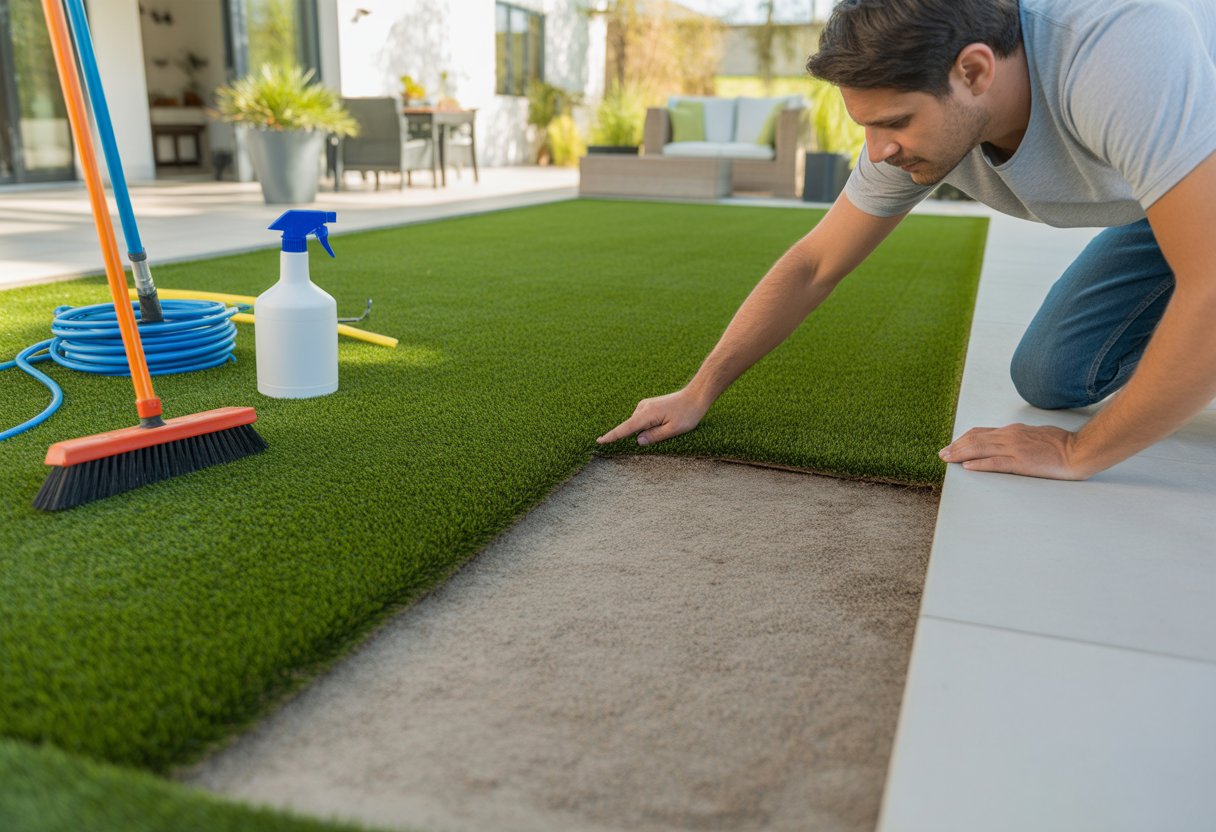
Most artificial grass issues can be resolved through proper cleaning and maintenance rather than full replacement. Simple problems like surface debris, pet odors, and appearance issues often respond well to targeted cleaning methods.
Surface Debris and Stains
Basic debris removal is usually the first sign that cleaning will solve your synthetic grass problems. Leaves, dirt, and small particles naturally accumulate on artificial turf surfaces.
We can easily remove most surface debris with a leaf blower or stiff brush. Regular sweeping prevents buildup that could affect drainage or appearance.
Common stains from food, drinks, or outdoor activities typically come out with basic cleaning solutions:
- Water-based stains: Juice, soda, or mud
- Organic matter: Tree sap, bird droppings, or plant material
- Light oil stains: Cooking grease or automotive fluids
Most stains respond to warm water and mild detergent. We scrub gently with a soft brush and rinse thoroughly.
If stains lift easily without harsh scrubbing, cleaning is definitely enough. Deep-set stains that won’t budge may indicate the need for professional cleaning services.
Pet Odor and Spot Cleaning
Pet urine odors are common concerns for low-maintenance lawn owners. Fresh odors usually indicate cleaning will solve the problem completely.
We rinse affected areas immediately with water to dilute urine. A solution of white vinegar and water neutralizes most pet odors effectively.
Signs cleaning will work:
- Odors are recent or mild
- Smell disappears after cleaning
- Only specific spots are affected
- Drainage still functions properly
For stubborn pet odors, enzyme/hydroperoxide cleaners break down organic compounds causing the smell. We apply these products according to manufacturer instructions.
However, persistent odors despite regular cleaning indicate deeper bacterial growth that may require replacement.
Restoring Appearance Through Maintenance
Flattened grass fibers from foot traffic or furniture often bounce back with proper grooming. We use a stiff brush or plastic rake to lift compressed fibers.
Regular brushing against the grain helps synthetic grass maintain its upright appearance. This simple maintenance often restores the original look completely.
Infill redistribution can solve uneven surfaces or thin spots. We add new sand or rubber infill to areas that appear sparse.
When cleaning restores appearance:
- Fibers spring back when brushed
- Color remains consistent across the surface
- No visible wear patterns or bald spots
- Infill levels are adequate
If brushing and infill addition improve the turf’s appearance significantly, replacement isn’t necessary. We focus on establishing a regular maintenance routine instead.
Cleaning schedule for optimal results:
- Weekly: Remove debris and brush fibers
- Monthly: Deep clean stained areas
- Seasonally: Add infill as needed
Factors Affecting Artificial Turf Longevity
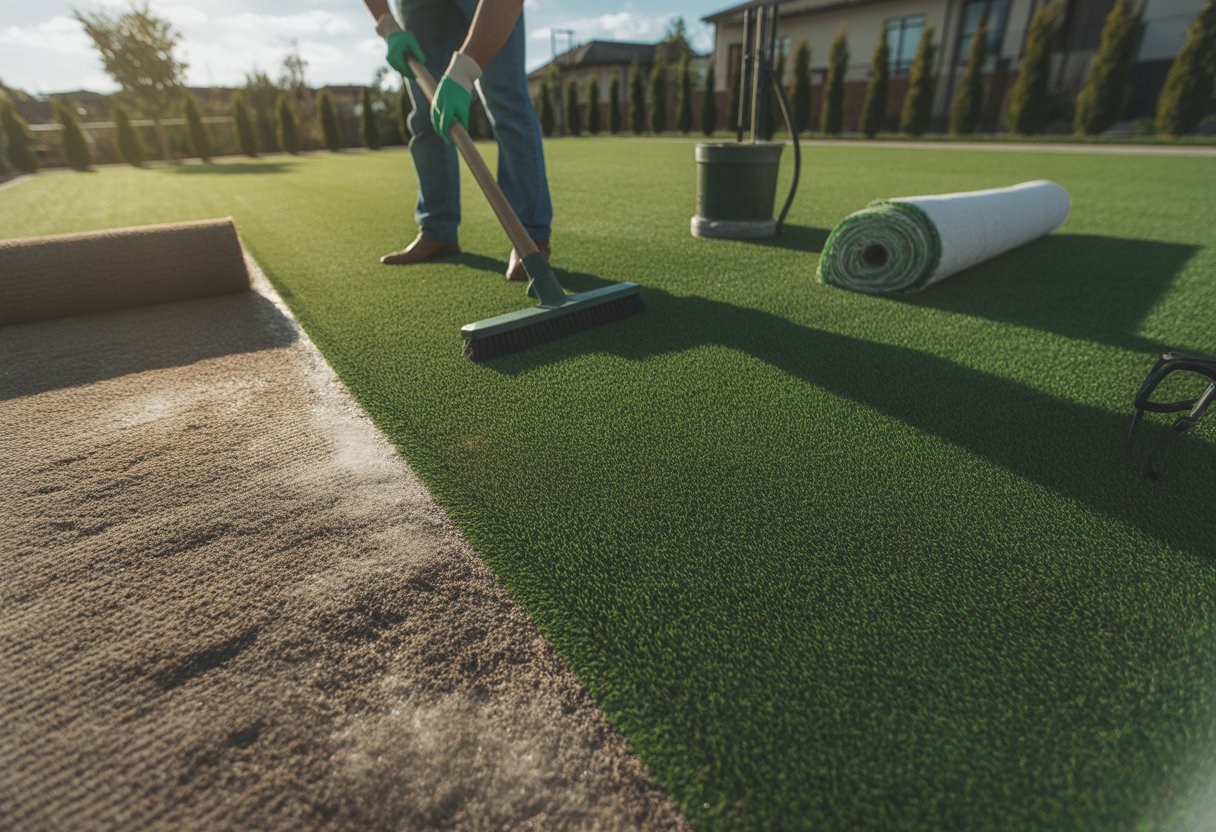
The daily wear your artificial turf faces, the quality of materials used during installation, and your local climate conditions all play major roles in determining how long your synthetic grass will last. These three factors work together to either extend or shorten your turf’s useful life.
Impact of Foot Traffic and Usage
Heavy foot traffic creates the biggest challenge for maintaining artificial turf durability. Areas with constant use show wear patterns much faster than low-traffic zones.
High-Traffic Areas Experience:
- Fiber matting and flattening
- Faster infill displacement
- More visible wear patterns
- Reduced bounce-back ability
Sports fields and playgrounds face the most demanding conditions. The constant running, jumping, and equipment use breaks down fibers more quickly than residential lawns.
Pet areas also create unique challenges. Dogs running the same paths daily create permanent traffic patterns. Their claws can pull at individual fibers over time.
We recommend rotating high-use areas when possible. Place temporary barriers to redirect foot traffic occasionally. This simple step helps distribute wear more evenly across your artificial grass installation.
Regular brushing becomes critical in heavy-use zones. The fibers need help standing upright after being compressed repeatedly.
Role of Material Quality and Installation
The quality of your artificial turf materials directly impacts how long your investment lasts. High-quality artificial turf can last between 15 to 20 years with proper installation and care.
Premium Materials Include:
- Polyethylene fibers: Soft and durable for residential use
- Polypropylene fibers: Budget-friendly but less resilient
- Nylon fibers: Strongest option for high-traffic areas
Professional installation makes a huge difference in longevity. Poor drainage systems cause water to pool and damage the backing material. Incorrect infill amounts lead to premature fiber wear.
The base preparation affects everything above it. We see installations fail early when contractors skip proper grading and compaction steps. A solid foundation prevents settling and maintains proper drainage.
Quality backing materials resist moisture and temperature changes better. Cheap backing materials crack and separate within just a few years.
Environmental Exposure and Weather Conditions
Weather conditions significantly influence the lifespan of artificial turf. Extreme temperatures, UV exposure, and moisture levels all affect fiber integrity over time.
UV radiation breaks down synthetic fibers gradually. Areas with intense sunlight need UV-stabilized materials to prevent fading and brittleness. Southern climates require higher-grade UV protection than northern regions.
Temperature extremes cause expansion and contraction cycles. These changes stress the backing material and seams. Very hot surfaces can reach uncomfortable temperatures and accelerate wear.
Moisture exposure affects drainage and backing materials. Poor drainage leads to mold growth and backing deterioration. Areas with heavy rainfall need superior drainage systems.
Wind conditions blow away infill materials over time. Coastal areas with constant wind require more frequent infill replacement. We recommend heavier infill materials in windy locations.
Freeze-thaw cycles can damage poorly installed turf. Water trapped in seams expands when frozen and creates separation issues.
Cost Considerations for Turf Replacement and Cleaning
Understanding the financial impact of turf replacement versus cleaning helps homeowners make informed decisions. Professional turf cleaning ranges from $299 to $699 per service, while full artificial grass replacement involves significantly higher upfront costs but provides longer-lasting results.
Breakdown of Replacement Costs
Complete turf replacement requires several cost components that we must consider carefully. The removal of existing artificial grass typically costs between $1 to $3 per square foot.
New artificial grass installation ranges from $5 to $20 per square foot. This includes materials, labor, and site preparation work.
For a standard 1,000-square-foot lawn, we can expect total replacement costs between $6,000 and $23,000. Labor expenses average $4 to $9 per square foot for professional installation.
Additional replacement expenses include:
- Site preparation and grading
- Base material installation
- Drainage system adjustments
- Disposal fees for old turf
- Infill materials and edging
Premium artificial grass materials with higher pile density and better durability increase the overall investment. However, these materials often provide better long-term value through extended lifespan and improved appearance.
Cleaning and Maintenance Expenses
Regular cleaning services offer a more affordable alternative to replacement for well-maintained turf. Monthly maintenance services start at $179 per month, while quarterly services range from $700 to $1,800 annually.
Professional turf cleaning service costs:
| Service Type | Cost Range |
|---|---|
| Surface cleaning | $299 |
| Deep cleaning with odor removal | $399-$699 |
| Monthly maintenance | $179-$279/month |
| Quarterly service | $700-$1,800/year |
Pet odor removal and deep sanitization services cost more than basic debris cleaning. Areas with heavy foot traffic or multiple pets require more frequent professional attention.
Annual artificial grass maintenance typically costs less than $100 when combining professional services with DIY care. This includes cleaning supplies, infill replenishment, and minor repairs.
Long-Term Value Comparison
We must evaluate costs over the expected lifespan of artificial turf to determine the best financial approach. Quality artificial grass typically lasts 15 to 20 years with proper maintenance.
Regular cleaning and maintenance can extend turf life significantly. Neglecting maintenance often leads to premature replacement within 8 to 12 years.
20-year cost comparison:
- Replacement every 15 years: $12,000-$46,000
- Regular maintenance program: $3,600-$7,200
- Combined approach: $6,000-$30,000
Turf removal and replacement becomes necessary when cleaning cannot restore appearance or functionality. However, consistent professional maintenance delays this expensive decision by several years.
The most cost-effective approach combines regular cleaning with timely repairs. This strategy maximizes the return on our initial artificial grass investment while maintaining optimal appearance and performance throughout the turf’s lifespan.
Step-by-Step Guide to Turf Replacement and Cleaning
We’ll walk you through the complete process from evaluating your current turf condition to installing new synthetic grass or implementing proper cleaning techniques. Professional assessment determines whether replacement or maintenance is needed, while proper installation and cleaning methods ensure long-lasting results.
Professional Assessment and Inspection
We recommend starting with a thorough inspection of your current artificial turf condition. Check for visible wear patterns, loose seams, and areas where the grass fibers have flattened permanently.
Key inspection points include:
- Drainage functionality after rain
- Infill material levels and distribution
- Edge separation from hardscaping
- Odor issues in pet areas
- Weed growth along borders
Professional contractors can identify underlying drainage problems or base material issues. They measure the remaining pile height and assess fiber integrity.
We suggest getting quotes from certified installers who can provide detailed condition reports. These assessments typically cost $100-200 but help avoid costly mistakes.
Most professionals recommend replacement when turf shows significant fading, has drainage failures, or exceeds 10-15 years of age. Minor issues like odors or surface debris usually require only proper cleaning and maintenance.
Process of Turf Removal and Installation
Turf removal begins with cutting the artificial grass into manageable strips. We use utility knives to slice through seams and create 4-foot wide sections for easier handling.
The removal process involves:
- Disconnecting irrigation systems if present
- Pulling up the grass and underlying pad
- Removing nails, staples, and adhesive residue
- Evaluating base material condition
Artificial grass installation requires proper base preparation. We excavate 2-3 inches deep and install a compacted aggregate base with proper drainage slopes.
The installation steps include:
- Installing weed barrier fabric
- Rolling out new turf and allowing it to acclimate
- Cutting and fitting around obstacles
- Securing edges with galvanized nails every 6-8 inches
- Adding infill material and brushing fibers upright
Professional installation typically takes 1-2 days for residential lawns. We ensure proper drainage by creating slight slopes away from structures.
Best Practices for Cleaning Synthetic Turf
Regular cleaning extends turf life and maintains appearance. We start by removing debris like leaves and twigs using leaf blowers or flexible rakes.
Weekly cleaning routine:
- Rinse with garden hose to remove dust
- Brush fibers against the grain with stiff broom
- Spot clean stains immediately with mild soap
Monthly deep cleaning involves:
- Power washing on low pressure setting
- Applying enzyme/hydroperoxide cleaners for pet areas
- Redistributing infill material evenly
- Treating any visible mold or mildew
We use pet-safe cleaning solutions and avoid harsh chemicals that damage fibers. For stubborn odors, baking soda applications followed by thorough rinsing work effectively.
Professional cleaning services cost $0.50-1.00 per square foot and include sanitizing treatments.
Maintaining a Low-Maintenance Lawn
A low-maintenance lawn requires consistent but minimal care compared to natural grass. We focus on preventive maintenance to avoid major repairs or early replacement.
Essential maintenance tasks:
- Monthly brushing to prevent matting
- Quarterly infill replenishment
- Annual professional inspection
- Immediate stain and spill cleanup
We recommend keeping pets hydrated to reduce concentrated urine that causes odors. Installing proper drainage during initial installation prevents water pooling issues.
Edge maintenance prevents weed infiltration along borders. We apply pre-emergent herbicides twice yearly around perimeter areas.
Temperature management involves rinsing turf during hot weather to reduce surface heat. Light-colored infill materials also help with heat reduction.
Record keeping helps track maintenance costs and identify patterns. Most homeowners spend $200-400 annually on synthetic turf maintenance versus $1,200+ for natural grass care.
Expert Tips for Maximizing Turf Durability and Appearance
Regular brushing prevents fiber matting while proper infill management maintains structural integrity. Smart traffic distribution and seasonal protection measures can extend your synthetic turf lifespan by years.
Routine Maintenance Strategies
Weekly brushing keeps artificial turf fibers upright and prevents matting. We recommend using a stiff-bristled brush or power broom to work against the grain direction.
Regular rinsing removes surface debris that can damage fibers over time. Use a garden hose to wash away dust, pollen, and organic matter weekly.
Infill redistribution maintains proper drainage and cushioning. Check infill levels monthly and add material where needed to prevent uneven surfaces.
Remove leaves and debris immediately to prevent staining. Organic matter can break down and discolor synthetic turf if left untreated.
Monthly deep cleaning eliminates embedded dirt and bacteria. Mix mild detergent with water and scrub gently with a soft brush for thorough cleaning.
Preventing Premature Wear
Traffic rotation prevents worn pathways in high-use areas. We suggest placing stepping stones or rotating furniture placement to distribute foot traffic evenly.
Avoid placing hot objects directly on artificial turf. Grills, fire pits, and metal furniture can melt synthetic fibers and create permanent damage.
Pet waste removal within 24 hours prevents odor buildup and bacterial growth. Rinse the area thoroughly after cleaning to eliminate residue.
Sharp objects like garden tools or sports equipment can tear fibers. Store equipment properly and inspect the turf regularly for damage.
Seasonal protection includes snow removal and ice prevention. Use plastic shovels instead of metal to avoid fiber damage during winter maintenance.
Enhancing Lifespan With Proper Care
Quality infill materials provide better drainage and fiber support. Sand and rubber combinations offer long-lasting durability compared to basic options.
Professional deep cleaning every 12-18 months removes embedded contaminants. Specialized equipment reaches deeper than standard home cleaning methods.
UV protection sprays can restore faded areas and prevent further color loss. Apply these treatments annually in high-sun exposure areas.
Proper drainage installation prevents water pooling that leads to mold growth. Ensure adequate slope and drainage channels during installation.
Border maintenance keeps edges secure and prevents lifting. Check and reattach loose edges quarterly to maintain structural integrity.