


HOA boards face unique challenges when managing synthetic grass in common areas and pet zones. Unlike individual homeowners who maintain their own lawns, HOA landscaping responsibilities require you to balance community standards, budget constraints, and the needs of multiple residents who use shared spaces daily.
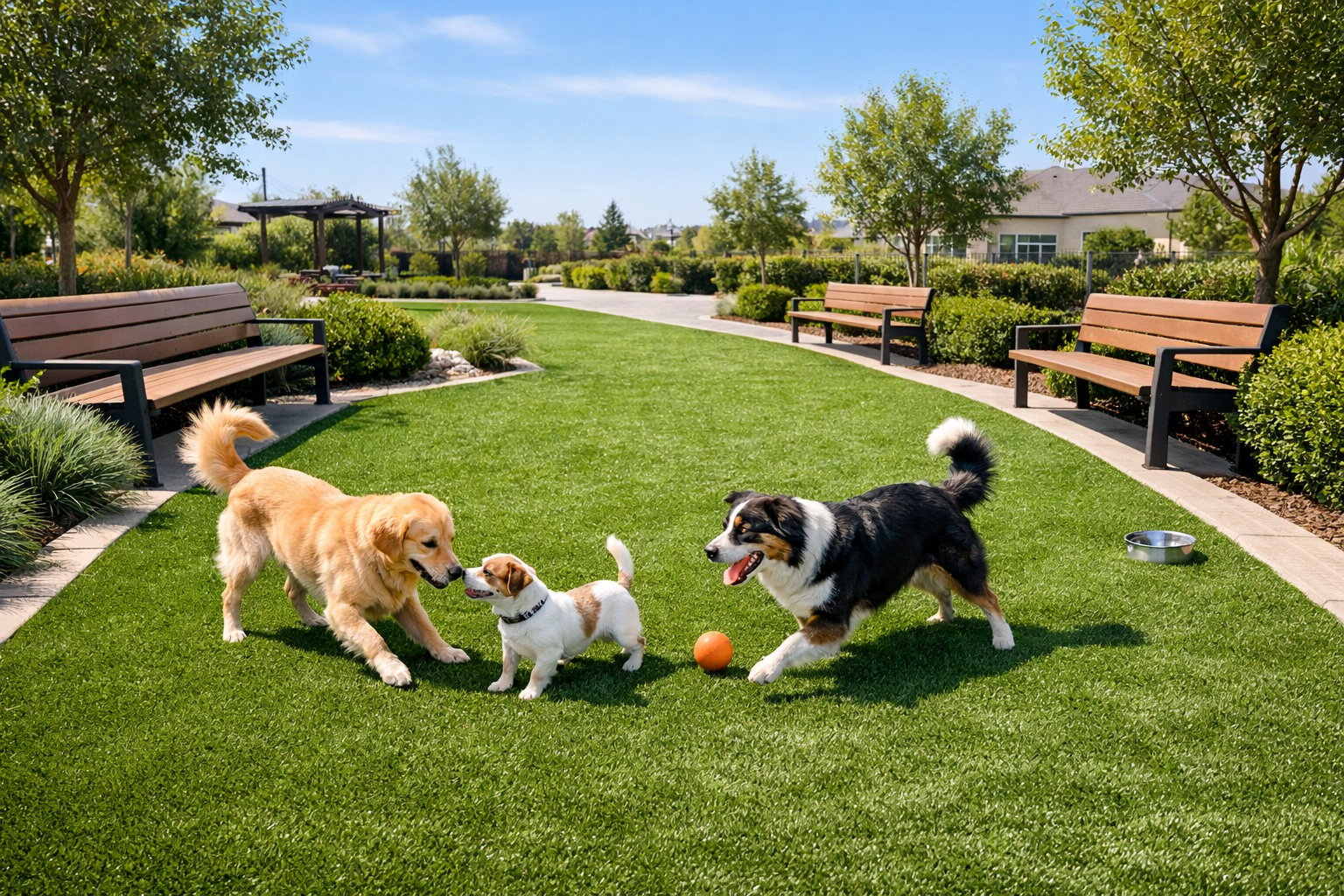
At Sparkly Turf, we recommend that your board follow specific maintenance schedules, establish clear usage guidelines, and work with experienced professionals who understand HOA requirements. Regular upkeep prevents common problems like matting, odors in pet areas, and drainage issues that can lead to costly replacements.
This guide covers everything from understanding artificial turf maintenance routines that protect your investment. Learn how to set standards for your community, manage high-traffic pet areas, and see why we delivers the specialized HOA service your board needs to maintain pristine common areas year-round.
Understanding HOA Landscaping Requirements for Synthetic Grass
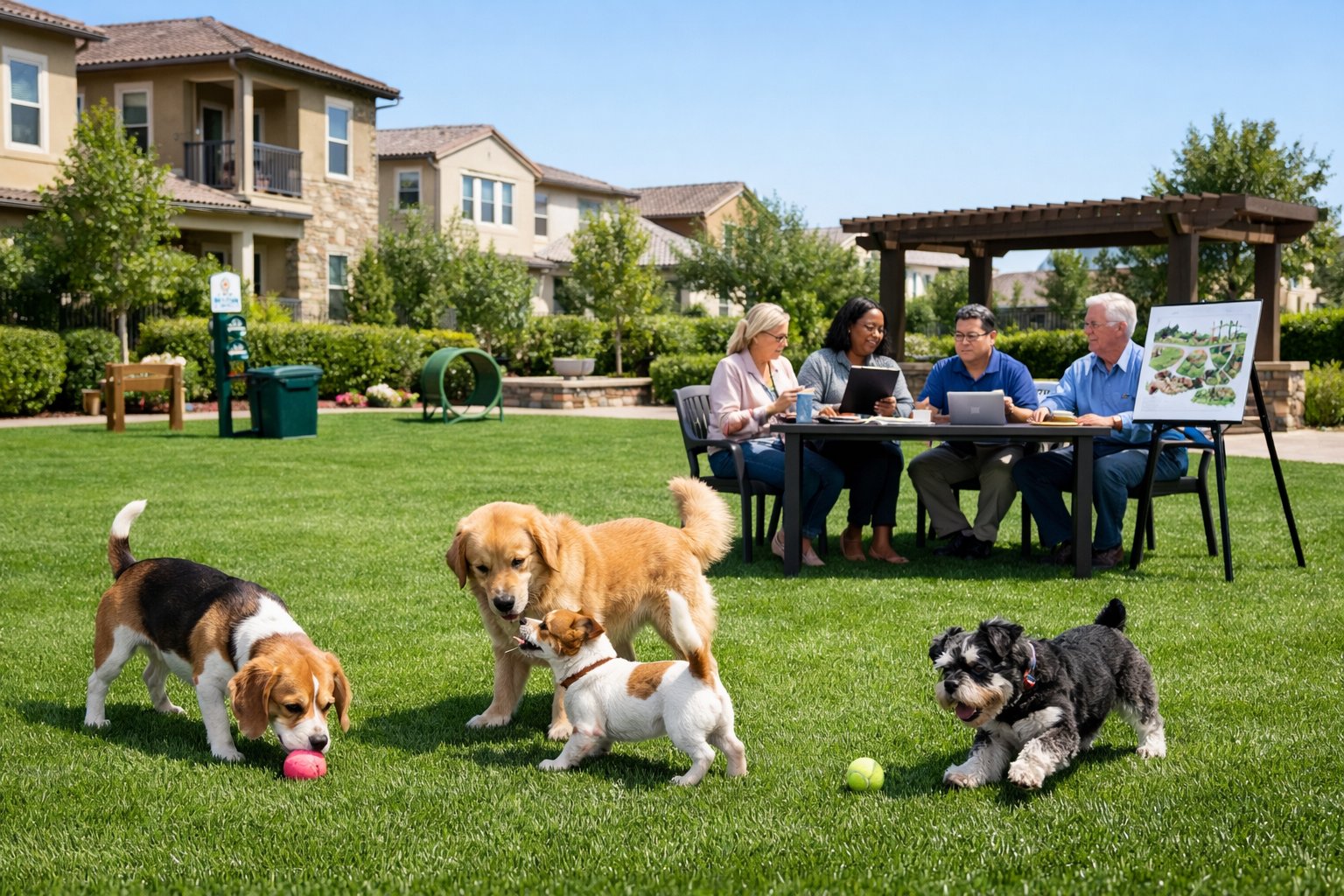
HOA boards must navigate specific landscaping guidelines and approval processes when installing or maintaining synthetic grass in common areas. The architectural review committee ensures artificial turf meets community standards while board members coordinate documentation and ongoing compliance.
Defining Common Areas and Pet Zones in HOAs
Common areas include any property owned collectively by the homeowners association rather than individual homeowners. These spaces typically encompass entry monuments, playgrounds, pool decks, clubhouses, walking paths, and shared lawn areas.
Pet zones are designated sections where residents can bring their dogs. Your HOA board may create dedicated pet relief areas with synthetic grass to protect other common spaces from pet waste and wear patterns.
Typical Common Areas with Artificial Turf:
- Entry landscaping visible from main roads
- Pool surrounds and recreation areas
- Dog parks and pet relief stations
- Walking trails and pathway borders
- Playground safety surfacing
Pet zones require different specifications than general landscaping. Turf with antimicrobial infills and high drainage rates of 30-60 inches per hour is ideal for handling urine and cleaning. These areas also benefit from dedicated rinse stations and enzyme treatment protocols.
Benefits of Artificial Turf in HOA Common and Pet Areas
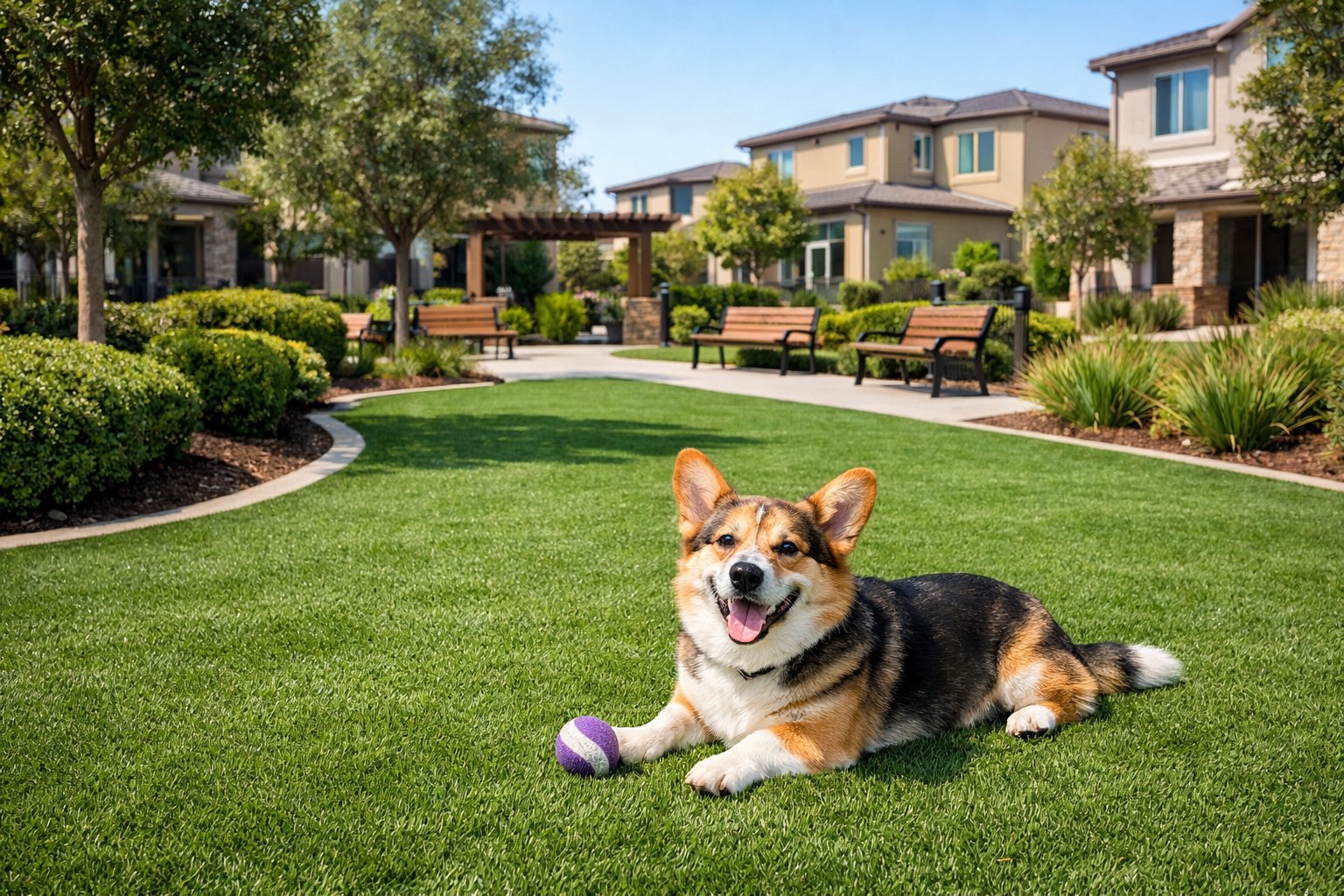
Synthetic grass delivers measurable advantages for HOA communities managing shared spaces and pet areas, including environmental responsibility, financial predictability, and neighborhood appeal.
Water Conservation and Environmental Impact
Artificial turf eliminates the need for regular irrigation that natural grass demands. HOA communities can cut water usage by thousands of gallons per month across common areas, directly lowering utility bills for the association.
Synthetic turf helps eliminate the need for fertilizers and pesticides, protecting local waterways from chemical runoff. Your community avoids the environmental cost of lawn chemicals while creating safer play spaces for children and pets. Many municipalities offer rebates for converting to water-efficient landscaping, adding another financial incentive.
The water savings become especially significant in drought-prone regions. Your board can demonstrate environmental leadership while meeting conservation mandates without sacrificing green space aesthetics.
Enhancing Curb Appeal and Property Values
A well-maintained synthetic lawn stays green year-round without brown patches, mud tracks, or uneven growth. This consistency creates a polished first impression for visitors and prospective buyers. Artificial turf enhances curb appeal and helps attract new buyers while supporting stable property values.
Quality artificial grass installed in common areas signals that your HOA invests in the community. Pet areas remain clean and functional even during heavy use periods. The professional appearance eliminates complaints about patchy lawns or muddy conditions that natural grass creates.
Modern synthetic grass products look realistic with multi-tone blades and natural thatch layers. Your community maintains an upscale appearance that reinforces neighborhood standards and owner satisfaction.
Low-Maintenance Advantages and Cost Savings
Your association eliminates recurring costs for mowing, edging, fertilizing, and irrigation system repairs. Artificial grass reduces maintenance demands compared to natural turf management. Regular maintenance requires only debris removal, occasional brushing, and rinsing for pet areas.
The reduction in landscape contractor hours frees your budget for other community priorities. You avoid emergency repairs after weather damage or pest infestations that plague natural grass. For professional deep cleaning and maintenance, Sparkly Turf provides specialized service for HOA communities.
Synthetic grass withstands heavy foot traffic in common areas and pet zones without bare spots or replanting needs. Your board gains financial predictability with maintenance costs that remain stable across seasons and years.
HOA Maintenance Standards for Synthetic Grass Surfaces
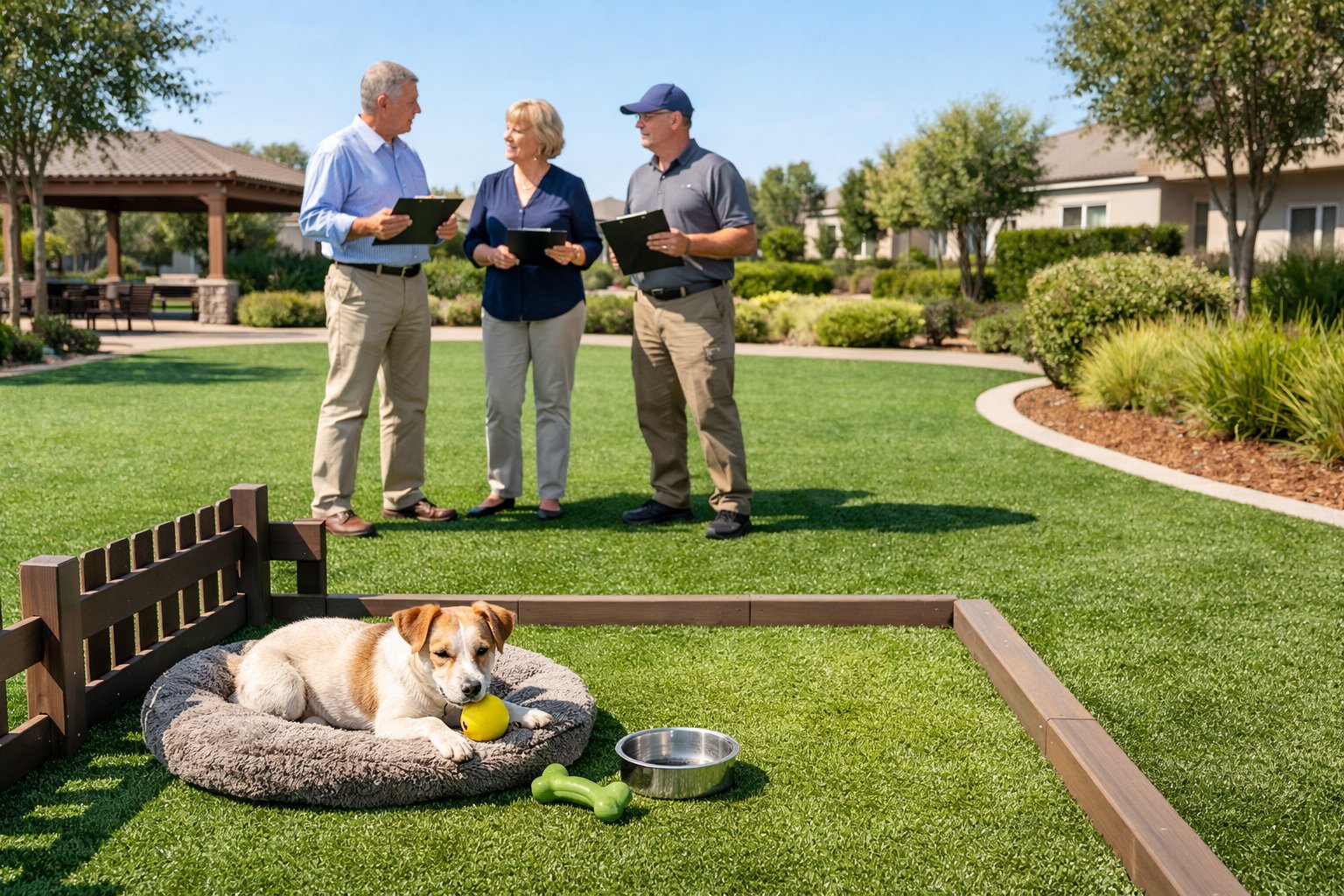
Regular maintenance schedules, proper irrigation adjustments, and proactive pest control protect your investment while keeping common areas attractive. Clear standards reduce maintenance costs and prevent complaints from residents.
Establishing Routine Maintenance Schedules
Your HOA should create a written maintenance schedule that covers daily, weekly, and monthly tasks. Daily tasks include removing visible debris like leaves and trash from high-traffic areas. Weekly maintenance requires brushing the turf fibers to keep them upright and checking for any damage or loose seams.
Monthly inspections should focus on infill levels and overall turf condition. Most HOA landscaping programs benefit from quarterly professional deep cleaning to address compaction and bacteria buildup. Document all maintenance activities with photos and dates to track performance over time.
Assign specific responsibilities to your landscape maintenance team or contractor. Include turf care in your service agreements with clear performance metrics. Budget for annual professional services from providers like Sparkly Turf, who specialize in synthetic grass care.
Irrigation Management and Drainage Considerations
Synthetic grass eliminates the need for regular watering, which dramatically reduces your irrigation costs. You should cap or redirect sprinkler heads that previously served natural grass areas. Occasional rinsing helps remove dust, pollen, and pet waste but requires far less water than traditional lawns.
Inspect drainage pathways monthly to prevent ponding. Water should flow away from turf edges toward designated drainage points. Check that perforations in the turf backing remain clear of debris and sediment.
After heavy rain events, walk the entire area to identify any low spots where water collects. Address drainage issues quickly to prevent odors and bacterial growth in pet areas.
Weed Control and Pet Waste Management
Weeds typically emerge along edges and seams where soil meets synthetic grass. Pull weeds by hand or apply targeted herbicide treatments to border areas without damaging turf fibers. Never use metal tools that can tear the backing.
Pet areas require daily waste removal and weekly enzyme treatments to control odors. Rinse pet zones at least twice per week with a hose. High-traffic dog runs need professional antimicrobial treatments every three to six months.
For communities with strict synthetic turf standards, establish a weed and odor response protocol. Schedule Sparkly Turf for quarterly deep cleaning in pet areas to prevent complaints and maintain property values across your community.
Best Practices for Managing Synthetic Grass in Pet Areas
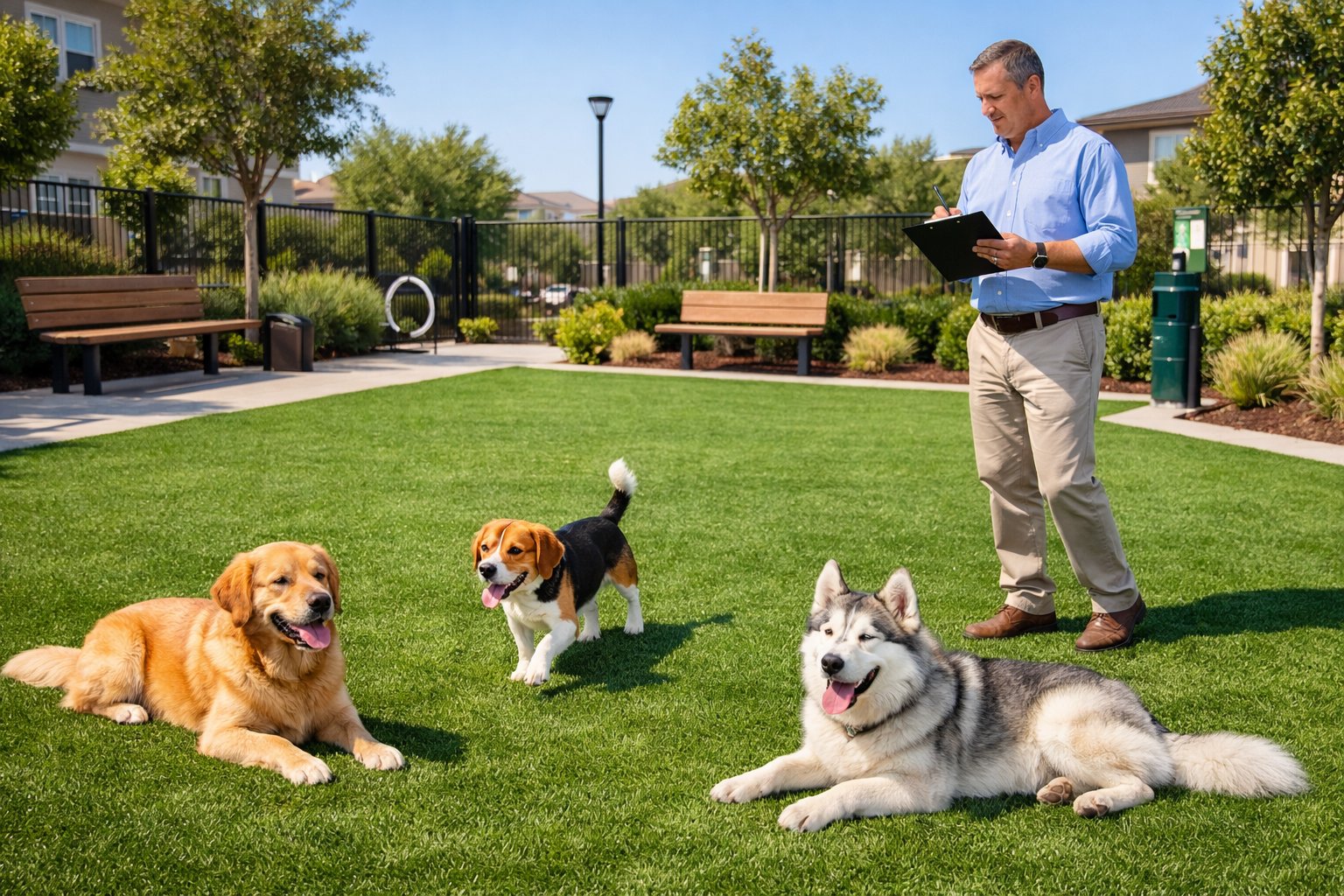
Managing synthetic turf in pet areas requires regular cleaning routines and selecting materials designed to handle waste and heavy traffic. Proper maintenance prevents odor buildup and keeps common areas safe for all residents.
Ensuring Hygiene and Odor Control
Establish a consistent cleaning schedule to prevent pet waste from creating persistent odors in your artificial turf. Remove solid waste daily from common areas to stop bacteria growth and unpleasant smells from developing.
Rinse high-traffic pet zones at least twice per week with a hose to flush away urine and debris. For deeper cleaning, use enzyme-based cleaners that break down organic waste at the molecular level. Apply these cleaners to saturated areas, let them sit for 10 to 20 minutes, then rinse thoroughly.
Heat and humidity speed up the conversion of urea to ammonia, which creates that sharp urine smell. Rinse more frequently during summer months or consider installing shade structures over pet areas to reduce this effect.
Check your drainage regularly because proper drainage prevents pooling that feeds odor. If water puddles form after rinsing, your subsurface may be compacted or clogged. Brush the turf against the grain weekly to lift fibers and improve airflow through the infill layer. Hire Sparkly Turf for quarterly deep cleanings that include power brushing and infill inspection.
Choosing Appropriate Turf Materials for Pets
Select synthetic turf with a fully permeable backing that allows urine to drain straight through to the base layer. This feature is critical for maintaining artificial grass in pet-friendly areas because it prevents waste from pooling on the surface.
Look for polyethylene blade materials that stay cooler in direct sunlight and feel softer on pet paws. UV-stabilized fibers resist fading and breaking down from constant sun exposure in common areas.
Your infill choice directly impacts odor control. Antimicrobial infills or zeolite-enhanced options help buffer ammonia and reduce bacterial growth better than standard silica sand alone. Some HOAs use a blend that combines standard silica for stability with mineral-based additives for odor absorption.
Secure your turf edges with aluminum or composite edging to prevent lifting from digging or play. Work with Sparkly Turf to ensure proper installation, including adequate slope for drainage and a stable base that won’t compact over time.
Guidelines for Installing and Replacing Synthetic Turf
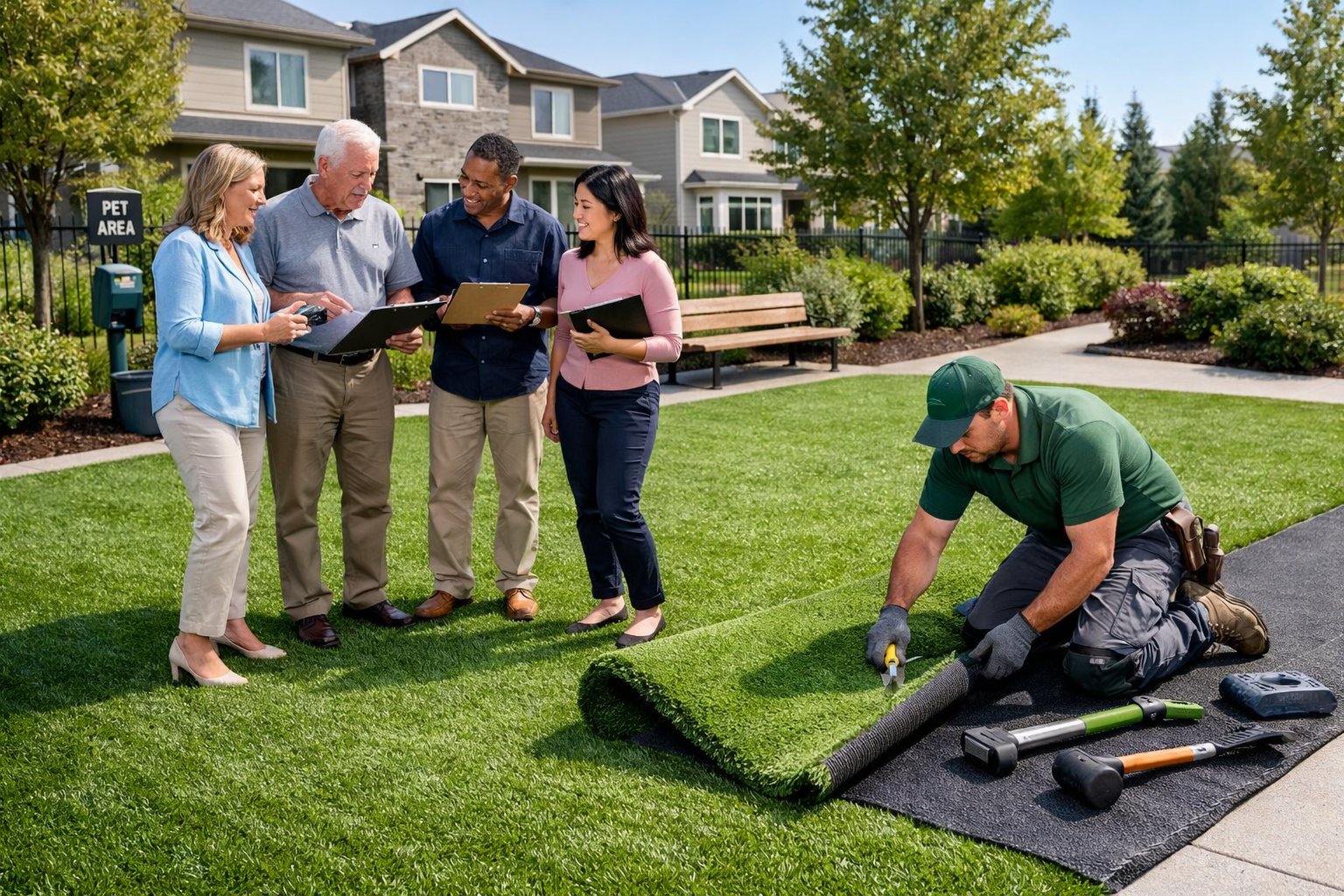
Quality turf installation requires careful vendor selection and proven installation methods that protect your HOA’s investment. These guidelines help boards ensure common areas receive durable, professional-grade synthetic grass that stands up to heavy use.
Vendor Selection and Quality Assurance
Choose installers who specialize in professional landscaping services for HOA common areas rather than residential contractors. Request product specifications including pile height (1.5 to 2.0 inches works well for common areas), drainage rates of at least 30 inches per hour, and UV stability testing results.
Ask potential vendors for references from other HOAs they’ve served. Visit completed projects to inspect seam quality, edge work, and overall appearance after six months to a year of use.
Key vendor qualifications include:
- Proof of licensing and insurance coverage
- Manufacturer certifications for commercial installations
- Written warranty for both materials and workmanship
- Experience with pet area turf systems
- Knowledge of local drainage requirements
Request detailed proposals that specify subbase materials, infill type and weight, and maintenance requirements. Quality landscaping professionals will provide complete material specifications rather than generic descriptions.
Proper Installation Methods for Longevity
Installing artificial turf correctly starts with proper site preparation. The installer should remove existing grass, grade the area for drainage away from buildings, and compact a permeable base layer 2 to 4 inches deep.
Critical installation steps:
- Install a geotextile weed barrier over a compacted base
- Secure turf edges with galvanized nails or staples every 4 to 6 inches
- Join seams with adhesive and seaming tape (never overlapping edges)
- Distribute infill evenly at manufacturer-specified rates
- Brush fibers upright in multiple directions
For pet areas, specify antimicrobial infill and add extra drainage features. The installer should create slight slopes toward designated drainage points to prevent odor buildup.
Professional installers will provide a post-installation care guide and schedule a 30-day follow-up to address any settling or infill redistribution. Sparkly Turf offers ongoing maintenance services to keep your common area synthetic grass looking new between major replacements.
Why Homeowners Pick Sparkly Turf for Professional HOA Turf Maintenance
Sparkly Turf brings specialized expertise to keep your HOA’s synthetic grass areas clean, vibrant, and compliant with community standards. Our services address the unique challenges of maintaining shared turf spaces while helping your board meet landscaping requirements.
Specialized Services for HOA Common Grounds
Professional turf cleaning services handle dirt, debris, and pet odors that regular maintenance misses. Sparkly Turf uses specialized equipment designed specifically for artificial grass in shared spaces.
Your HOA benefits from our detailed inspection process. We examine the turf for damage, check infill levels, and identify problem areas before they become costly repairs.
Our comprehensive service includes:
- Deep cleaning of turf fibers
- Pet odor removal and sanitization
- Debris extraction from the base layers
- Infill redistribution for even surfaces
Sparkly Turf understands that HOA common areas receive heavier foot traffic than residential lawns. We adjust our cleaning methods to handle high-use zones like dog parks and recreation areas. Our affordable pricing structure works well for HOA budgets, and we Book My Cleanings to minimize disruption to residents.
Compliance with HOA Landscaping Rules
Sparkly Turf understands HOA landscaping guidelines and ensures synthetic grass always looks green and well-kept, supporting your community’s appearance standards.
We keep thorough documentation of all services performed, providing your board with a clear maintenance record for inspections or policy updates.
Sparkly Turf helps with:
- Maintaining uniform appearance across all turf areas
- Extending the lifespan of your synthetic grass investment
- Preventing premature wear in high-traffic zones
Our Las Vegas-based team is familiar with local conditions that affect artificial turf. We schedule regular maintenance to prevent turf from looking worn or faded, helping your community stay in compliance with aesthetic requirements.