


Artificial grass is a great option for low maintenance lawns, but it can sometimes develop unpleasant smells. This is often due to pet urine, bacteria growth, or trapped moisture. The good news is there are simple steps we can take to keep our turf fresh and odor-free.
Effective Odor Control Methods for Artificial Grass
To stop turf from smelling, we need to clean it regularly, use odor-fighting products, and ensure proper drainage. Rinsing artificial grass with water helps remove dirt and pollen that can trap odors. We can also use pet-friendly cleaning solutions or a mix of vinegar and water to tackle stubborn smells.
For long-term odor prevention, we might consider installing odor-fighting infill. These products absorb pet urine quickly and stop odor-causing bacteria from growing. With these steps, we can enjoy a fresh-smelling artificial lawn all year round.
Understanding Turf Odors

Artificial turf can develop unpleasant smells over time. These odors come from different sources and affect some types of turf more than others.
Causes of Turf Odor
Pet waste is a major cause of turf odor. When pets use the turf as a bathroom, urine and feces can seep into the fibers and infill. This creates a breeding ground for bacteria, leading to bad smells.
Moisture buildup is another culprit. Poor drainage or high humidity can trap water in the turf. This damp environment promotes mold and mildew growth, resulting in musty odors.
Food and drink spills also contribute to smells. Sugary liquids or food particles left on the turf can attract bacteria. As these decompose, they produce foul odors.
Lastly, dirt and pollen buildup can absorb odors over time. Without regular cleaning, these particles trap smells and make them linger.
Types of Turf and Their Susceptibility
Not all artificial turf is created equal when it comes to odor resistance. Turf with antimicrobial infill is less prone to bacterial growth and smells.
Turf with good drainage systems helps prevent water buildup. This reduces the risk of mold and mildew odors.
Shorter pile height turf is easier to clean thoroughly. This makes it less likely to trap odor-causing particles.
Dense, tightly woven turf fibers can be more challenging to clean deeply. They may hold onto smells more than looser weave options.
UV-resistant turf maintains its structure better over time. This can help prevent the breakdown that leads to odor-trapping cracks and gaps.
Preventative Measures for Turf Odor

Good installation and high-quality materials are key to stopping turf smells before they start. These steps create a foundation for odor-free artificial grass.
Proper Installation Techniques
We recommend installing a permeable sub-base under the turf. This allows liquids to drain freely, preventing odor-causing bacteria buildup.
The sub-base can be made of:
- Limestone
- Wood chips
- Other porous materials
Proper drainage is crucial. We suggest adding a slight slope to the ground before laying turf. This helps water flow away instead of pooling.
Regular rinsing is important too. We advise setting up a sprinkler system for easy cleaning. This washes away dirt and pet waste that can cause smells.
Selection of Quality Materials
Choosing the right turf is vital. We recommend looking for artificial grass with antimicrobial properties. This helps fight odor-causing bacteria from the start.
Some key features to look for:
- UV-resistant fibers
- Durable backing material
- Proper blade density
We also suggest using an odor-fighting infill. These products absorb liquids quickly and stop smelly bacteria growth.
For areas with pets, we recommend specialized pet turf. It’s designed to handle urine and reduce odors more effectively than standard artificial grass.
Routine Maintenance Strategies
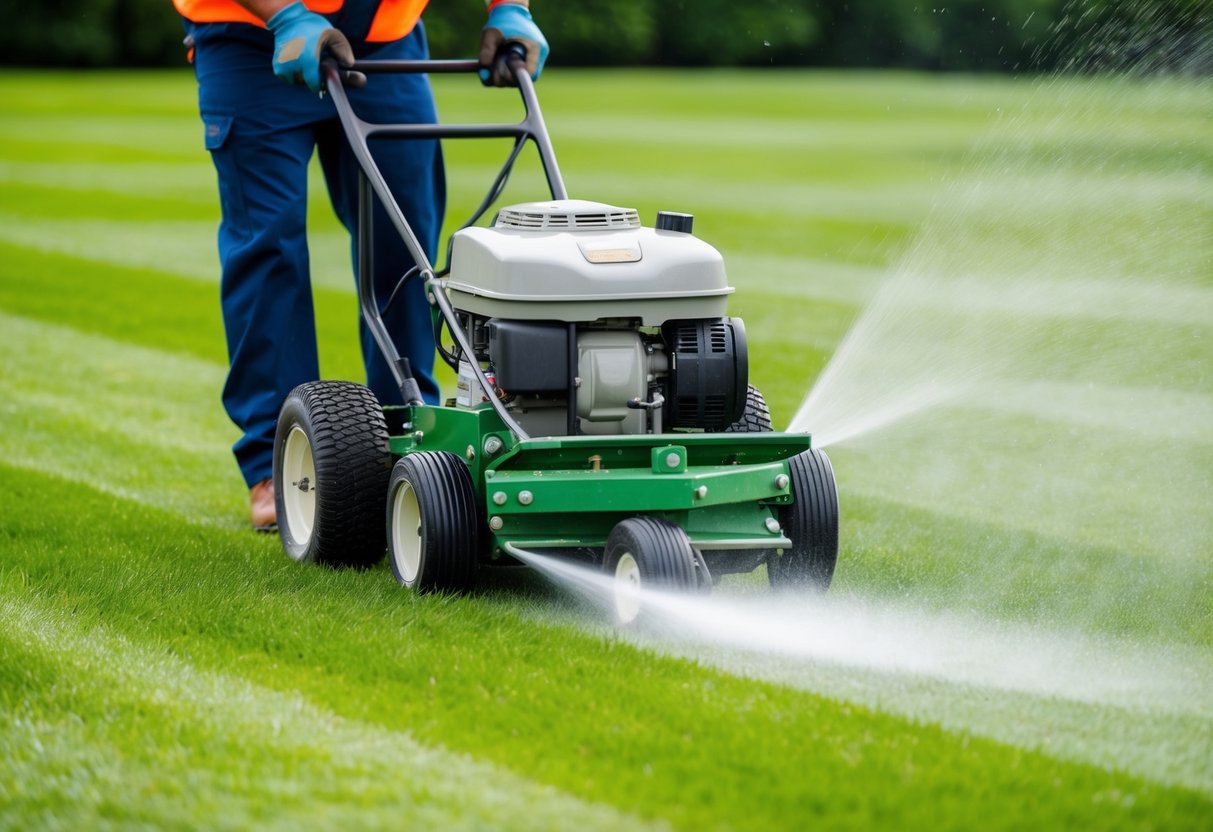
Keeping artificial turf smelling fresh requires consistent care. We’ll explore key practices to maintain a clean and odor-free lawn.
Regular Cleaning Schedule
We recommend setting up a weekly cleaning routine for your turf. Use a leaf blower or rake to remove loose debris like leaves and twigs. This prevents decomposition that can cause odors.
For pet owners, it’s crucial to pick up solid waste promptly. Rinse areas where pets urinate with water to dilute and wash away urine. This stops pet odor on your artificial grass.
Every month, give your turf a deep clean. Use a mild detergent mixed with water to scrub the surface gently. Rinse thoroughly to remove soap residue.
Adequate Drainage Solutions
Good drainage is key to preventing stagnant water and odors. We suggest checking your turf’s drainage system regularly.
Look for areas where water pools after rain or watering. These spots may need additional drainage. Consider adding a layer of gravel beneath problem areas to improve water flow.
Clean drain holes periodically to prevent clogging. Use a small brush to remove debris that might block water passage. This ensures liquids don’t sit on the surface, breeding bacteria and odors.
Optimal Watering Practices
While artificial turf doesn’t need regular watering like natural grass, occasional rinsing helps maintain freshness. We advise a light spray once a week to wash away dust and pollen.
After pets use the turf, rinse the area with water to dilute urine and prevent odor buildup. Use a hose with a spray nozzle for even coverage.
In hot weather, a light mist can cool the turf and reduce odors caused by heat. Be careful not to overwater, as excess moisture can lead to mold growth and unpleasant smells.
Identifying and Treating Problem Areas

Pinpointing smelly spots on artificial turf is key to fixing odor issues. We’ll look at how to find problem areas and clean them effectively.
Detecting High-Risk Zones
Smell problems often start in specific spots on artificial turf. We need to find these areas first. Walk around the turf and sniff for bad odors. Pay extra attention to areas where pets often go or where spills happen.
Look for stains or discolored patches. These can show where liquids have soaked in. Feel the turf for damp or sticky spots. These might be hiding smells.
Use a black light at night to find pet urine spots. They will glow under the light. Mark these areas with chalk or tape for later cleaning.
Targeted Cleaning and Repair
Once we find smelly spots, it’s time to clean them. For pet urine, we can use special cleaners made for artificial grass. These break down odor-causing bacteria.
For other stains, mix water and white vinegar. Spray this on the spot and scrub gently. Rinse well with clean water.
If smells come from under the turf, we might need to lift it up. Check the base material for mold or mildew. Replace any damaged parts.
After cleaning, sprinkle baking soda on the area. Let it sit for a few hours, then vacuum it up. This helps absorb leftover smells.
For tough odors, we can use an enzyme cleaner. These break down organic matter that causes smells. Always test cleaners on a small spot first to avoid damage.
Odor Neutralizing Products
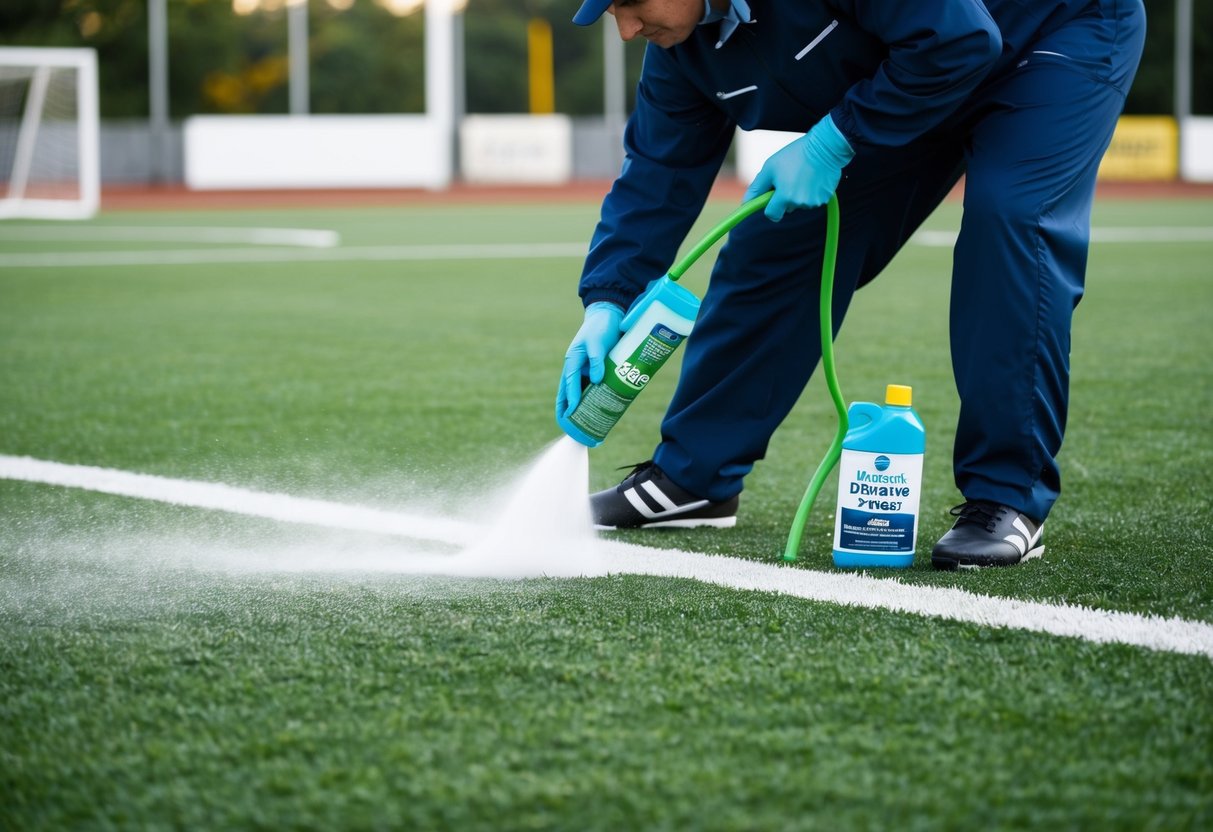
Effective odor neutralizing products can help keep artificial turf smelling fresh. These products work by breaking down odor-causing compounds rather than just masking smells.
Choosing the Right Products
We recommend looking for enzyme-based cleaners specifically made for synthetic grass. These pet-friendly cleaning solutions target urine and other organic waste. Avoid harsh chemicals that could damage the turf fibers.
Some good options include:
- TurfFresh Artificial Grass Deodorizer
- Simple Green Outdoor Odor Eliminator
- Nature’s Miracle for Artificial Grass
Always check that products are safe for pets and children before use. We suggest testing on a small area first to ensure it doesn’t discolor or harm your turf.
Application Techniques
Proper application is key for odor neutralizing products to work effectively. First, remove any solid waste and rinse the area thoroughly with water. Then apply the cleaner according to the product instructions.
For best results:
- Spray or pour the solution evenly over smelly areas
- Work it into the turf fibers with a soft brush
- Let sit for 5-10 minutes to allow enzymes to break down odors
- Rinse well with water
Reapply as needed, especially in high-traffic pet areas. Regular use can help prevent odor buildup over time.
Natural Remedies and Solutions
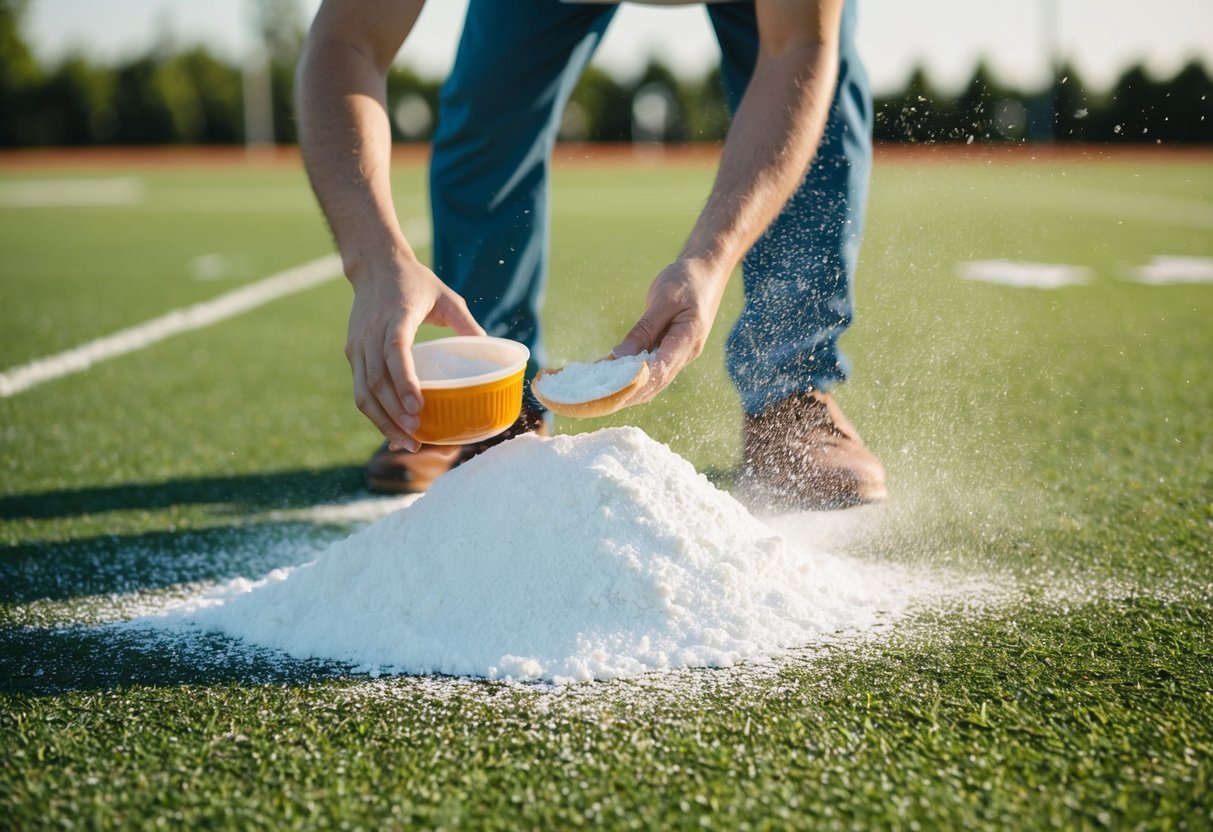
We can use several natural methods to keep artificial turf smelling fresh. These solutions are safe, effective, and easy to apply.
One popular option is a vinegar solution. Mix equal parts water and white vinegar in a spray bottle. This natural disinfectant helps eliminate odors without harsh chemicals.
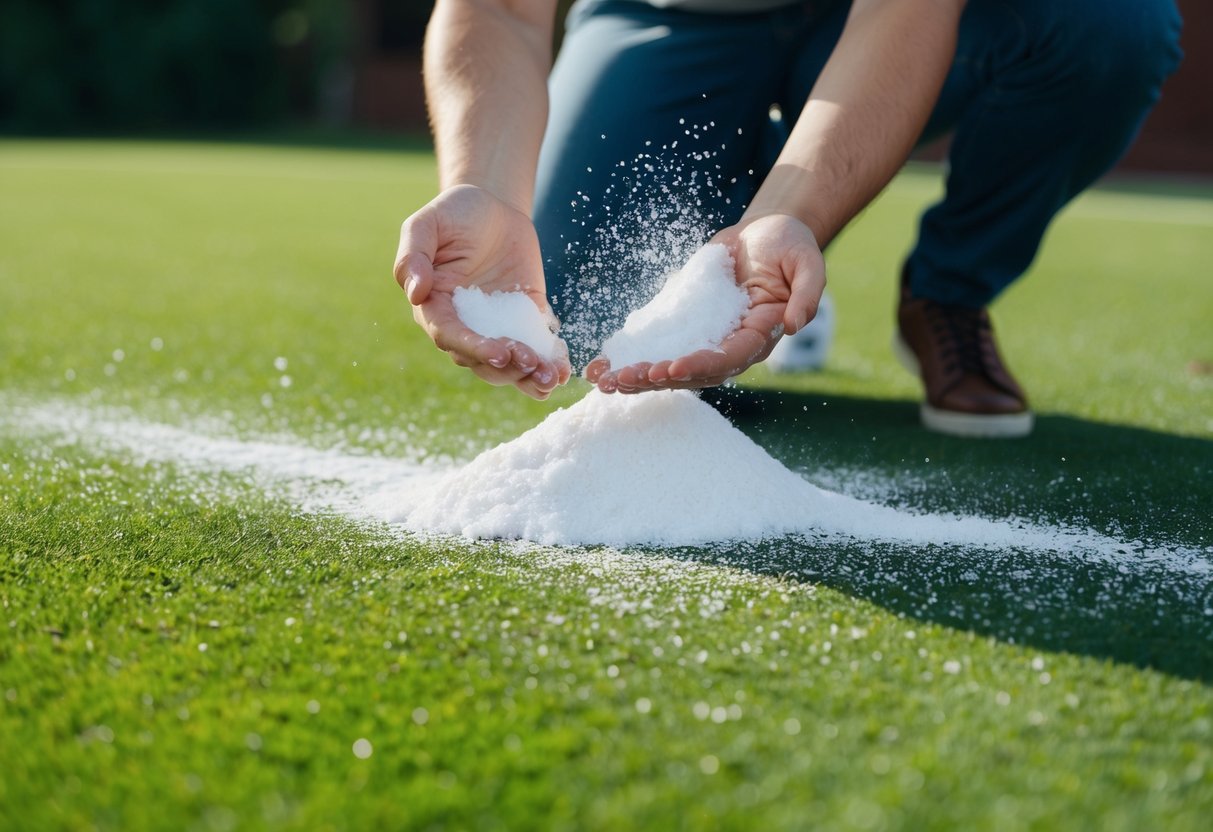
Baking soda is another great deodorizer for artificial grass. We recommend sprinkling baking soda over smelly areas. Let it sit for a while, then rinse it off with water.
For pet odors, we suggest using a mixture of:
- 1 part water
- 1 part white vinegar
- A few drops of mild dish soap
This pet-friendly cleaning solution can be sprayed on affected areas and rinsed thoroughly.
Regular maintenance is key to preventing odors. We advise hosing down the turf weekly to remove debris and dilute any pet urine.
For stubborn smells, a light power wash can be effective. But be careful not to use too much pressure, as it might damage the turf fibers.
These natural remedies can help keep artificial grass fresh and odor-free without resorting to harsh chemicals.
Professional Services for Odor Control
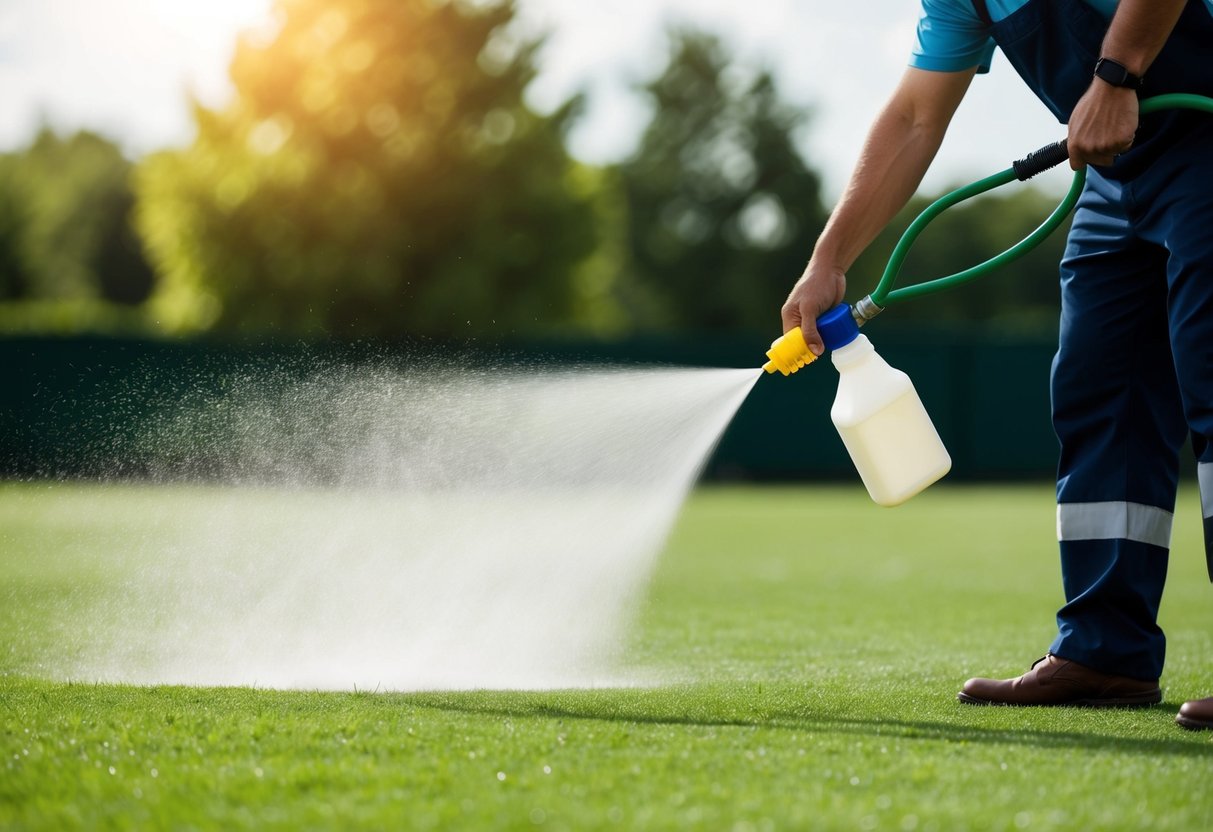
We know that keeping artificial turf smelling fresh can be a challenge. When DIY methods aren’t enough, professional services can help tackle stubborn odors.
Many companies offer specialized odor removal services for artificial turf. These experts use industrial-grade cleaners and equipment to deep clean synthetic grass.
Professional treatments often include:
• Powerful deodorizers • Antimicrobial solutions • High-pressure cleaning • Infill replacement
Sparkly Turf is one company that provides odor control services. They use a product called BioS+ by Turfresh to fight pet odors effectively.
We recommend getting professional treatments at least once a year. For areas with heavy use or pet traffic, more frequent cleanings may be needed.
When choosing a service, look for companies with good reviews and experience with artificial turf. Ask about their cleaning process and products used.
Professional cleaning not only eliminates odors but also extends the life of your turf. It removes built-up dirt and bacteria that can cause smells and damage the fibers over time.
Best Practices for Long-Term Odor Management
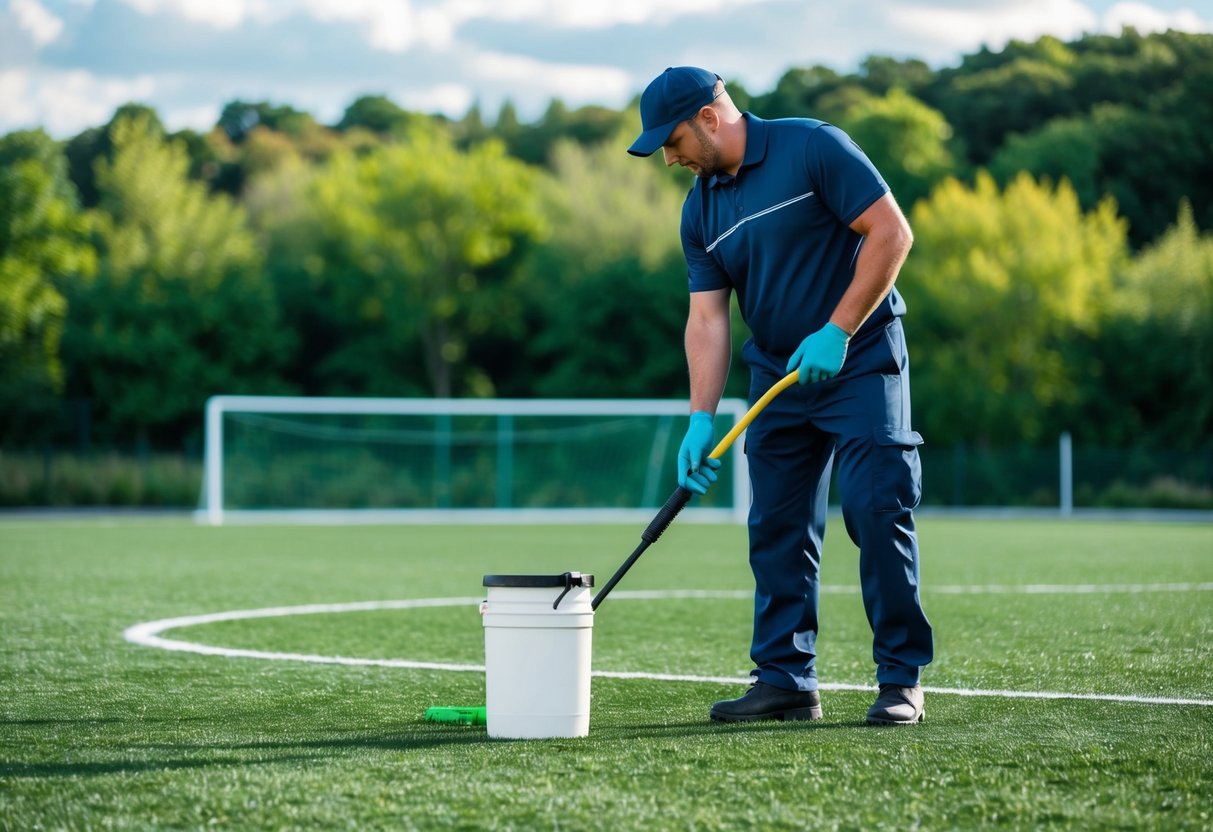
To keep artificial turf smelling fresh, we recommend following these key practices:
Regular Cleaning: Rinse the turf with water often to remove dirt and pollen. This prevents odor-causing buildup.
Pet Waste Removal: Clean up pet waste right away. This stops smells from setting in.
Natural Deodorizers: Use a mix of water and vinegar to freshen the turf. It’s safe and effective.
Enzyme Cleaners: We suggest using enzyme-based cleaners made for artificial grass. These break down odor-causing bacteria.
Proper Infill: Choose the right infill material. Some trap odors less than others.
Air Circulation: Make sure air can flow through the turf. This helps dry it out and prevent smells.
Professional Deep Cleaning: Get expert cleaning once or twice a year for best results.
By following these steps, we can keep artificial turf fresh and odor-free for a long time. It takes some effort, but the results are worth it.