


Cleaning artificial grass might seem straightforward, but several common mistakes can undermine your efforts and harm your investment. Whether you’re a seasoned homeowner or new to maintaining synthetic lawns, knowing the pitfalls to avoid can help you keep your turf looking fresh and long-lasting. This guide will walk you through the most frequent errors and provide practical tips to ensure your artificial grass remains in excellent condition year-round.
Choosing the Right Cleaning Tools and Strategies
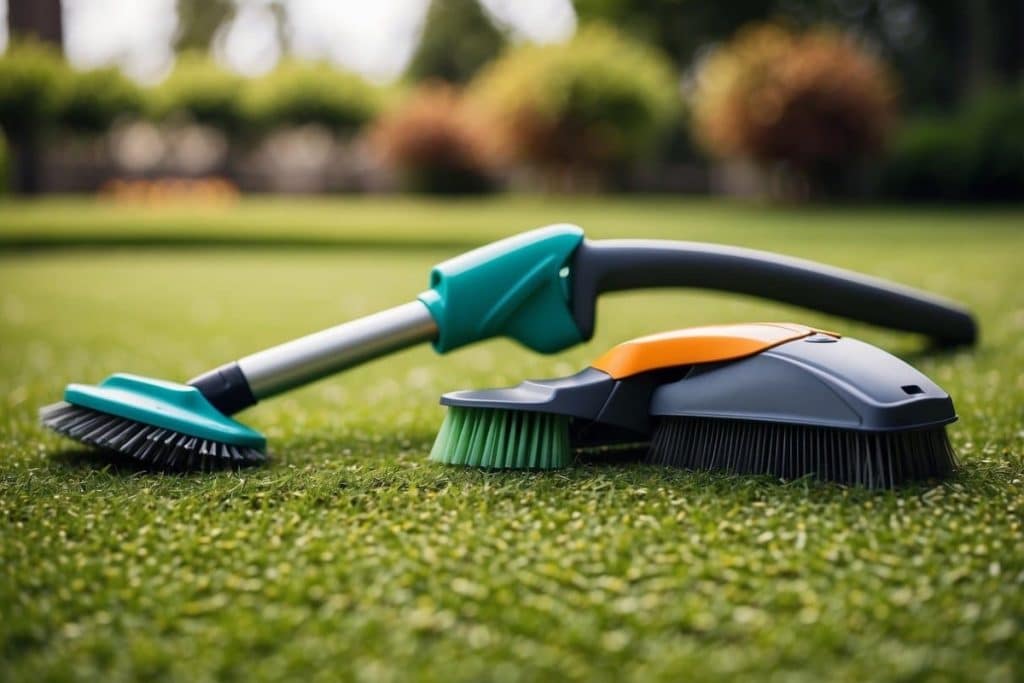
Using the correct tools and knowing the best strategies for cleaning artificial grass will help keep your lawn looking its best and extend its lifespan. Various tools, like brushes, brooms, and hoses, play a vital role in effective maintenance.
Avoiding Improper Tools That Cause Damage
Using the wrong tools can seriously harm your artificial grass. Avoid using metal rakes with metallic prongs, as they can tear or fray the turf fibers. Instead, opt for a turf rake with plastic prongs, which is gentler on the synthetic grass.
Similarly, It’s recommended NOT to use steel brushes made for harder surfaces. These brushes can cause wear and tear on the turf.
Selecting the Proper Brush and Broom
The right brush and broom are essential for keeping debris and dirt off your artificial grass. A specialized turf brush is crucial for lifting the grass blades and ensuring they remain upright. This keeps the lawn looking lush and natural.
A sturdy yet gentle broom can help in sweeping away larger debris like leaves and twigs. It’s important to use a broom with soft, synthetic fibers to avoid scratching or tearing the turf fibers. A broom designed for indoor use won’t be effective, so make sure to get one specifically for outdoor turf.
The Misuse of Power Washers
While it might seem tempting to use a power washer to clean your artificial grass, this can do more harm than good. The high-pressure spray can dislodge the infill and damage the turf backing. If you must use a power washer, ensure the pressure is set very low and keep the nozzle at a distance.
A better approach for rinsing dirt and grime is using a standard garden hose. A gentle rinse eliminates most surface dirt without risking damage. If deeper cleaning is needed, using a hose with a nozzle that allows for different spray settings is a safer alternative. This method effectively cleans without the risk of harming the turf.
Infill and How to Maintain It

Infill is a crucial component of artificial grass that helps keep the turf looking lush and feeling soft. Proper maintenance of infill ensures the longevity and functionality of your artificial lawn.
The Role of Infill in Artificial Grass
Infill provides stability and cushioning for artificial grass. It helps the blades stand upright and gives the turf a realistic look and feel. Additionally, infill assists in drainage, which prevents water from pooling on the surface.
There are different types of infill, including rubber, silica sand, and organic materials. Each type has its benefits, but choosing the right one for your needs is essential to maintain your lawn’s appearance. Using the right infill also minimizes the chance of unpleasant odors, especially if you have pets. A turf deodorizer can help manage any smells in high-use areas.
Common Errors in Infill Maintenance
One mistake is using too little infill, which can lead to flat and matted grass. This makes your turf look worn out and can cause it to deteriorate faster.
Another error is not regularly checking and topping up the infill. Over time, infill can get compacted or lost due to weather or heavy foot traffic. Ensuring you routinely check the levels and add more when necessary is crucial.
Keeping the infill free of debris is also important for good turf maintenance. Debris can impact drainage and the overall performance of the turf system. Regularly brushing the turf helps maintain its optimal condition.
Handling Pet Waste the Right Way

Proper handling of pet waste on artificial grass is essential to maintain a clean and odor-free environment. The right cleaning methods help protect the turf and ensure it remains safe for both your pets and your family.
Avoiding Harsh Chemicals on Pet Turf
Using harsh chemicals on pet turf can damage the fibers and harm your pets. Instead, choose pet-friendly cleaning products. These are non-toxic and designed to safely clean your artificial grass without causing any damage.
When dealing with dog urine or poop, avoid products with bleach or acidic ingredients. These can break down the synthetic fibers over time and create rough patches that may be uncomfortable for your pets. Opt for enzymatic sprays which break down the waste effectively without leaving harmful residues.
For instance, an enzymatic turf cleaning spray can be attached to your garden hose to easily clean the affected areas. Simply spray, let it sit for a few minutes, and then rinse with water. This method not only cleans but also eliminates odors and bacteria.
Natural Solutions for Pet Urine and Poop
Vinegar and water make an excellent natural cleaning solution for pet turf. Mix equal parts of vinegar and water in a spray bottle. Spray the mixture on areas where your pet has urinated. Vinegar is effective in neutralizing and breaking down the odors associated with dog urine.
For solid pet waste, it’s best to remove it as soon as possible. Use a plastic bag or a scoop to pick up the poop. After removing the poop, spray the area with the vinegar and water solution.
Another natural option is using baking soda. Sprinkle a small amount of baking soda on the turf after cleaning up the poop. Baking soda helps neutralize odors and is safe for pets. Just make sure to rinse the area thoroughly with water afterward.
Dealing with Weeds and Debris

To keep your artificial grass looking great, it’s crucial to manage weeds and debris properly. Regularly clearing organic matter and taking steps to prevent weed growth are essential practices.
Regular Clearing of Organic Matter
Leaves, twigs, and other natural debris can accumulate on your artificial grass. These materials should be cleaned regularly because they can lead to mold or unpleasant odors.
To gather debris and pull small weeds from the roots, use a soft brush or a plastic rake. It is important to avoid using metal rakes, as they can damage the fibers of your turf. Additionally, a leaf blower can be very effective for this task. If you have pets, promptly clean up any hairballs or waste to maintain cleanliness.
Clearing organic matter consistently helps keep your artificial grass in top shape, ensuring a longer lifespan and better appearance.
Preventative Measures for Weed Growth
Although artificial grass is resistant to weeds, it can sometimes sprout up along the edges or through small gaps.
A key preventative measure is to apply a weed barrier fabric underneath the turf during installation. This fabric blocks weed growth from below. If you already have artificial grass installed and notice weeds, you can use a mild weed killer recommended for use with synthetic turf.
Regularly inspecting your lawn and promptly handling any weeds you see will prevent them from spreading. You can also trim back any plants or bushes nearby to minimize the chance of seeds falling onto your turf.
Effective Stain Prevention and Removal

To keep your artificial grass looking its best, you’ll need to focus on preventing and removing stains from dust, spills, and other common issues. Knowing what to do for daily maintenance and tougher stains will help preserve the quality of your lawn.
Daily Battles with Dust and Spills
Every day, dust and small spills can find their way onto your artificial grass. Regular cleaning keeps these minor issues from turning into bigger problems. For dust, use a leaf blower or a broom to sweep it off the surface. If something spills, it’s important to act fast.
For most spills, a quick rinse with water can do wonders. Blot liquid spills with a clean, absorbent cloth to lift most of the liquid without pushing it deeper into the turf. Cleaning solutions made from a mix of mild detergent and water can handle spills like juice or soda effectively.
Tackling Tough Stains Without Damage
When it comes to more stubborn stains like pet waste, food, or grease, you’ll need a different approach. Start by removing any solid residue. For pet waste, scoop it up and use a garden hose to rinse the area.
For tougher stains, apply a mixture of water and mild soap directly to the spot. Scrub gently with a soft brush to avoid damaging the grass fibers. A cleaning solution with vinegar (a 50-50 mix of white vinegar and water) can be particularly effective for dissolving residue. Rinse thoroughly with water afterward to remove any soap or vinegar.
Proper Cleaning Methods and Materials

Cleaning artificial grass properly prevents the buildup of dust and bacteria. It’s important to use the right materials to maintain the grass’s appearance and safety.
Choosing the Right Cleaning Solutions
When selecting a cleaning solution, opt for products designed specifically for synthetic turf. Mild detergents are often effective and safe. Mix one part of mild dish soap with warm water to create a gentle cleaning solution.
For tougher stains or odors, a turf cleaner spray is a good choice. Spray it directly on the problem areas and then use a soft brush to work it into the fibers. Rinse with water afterward to remove any residue. Avoiding abrasive brushes will help maintain the integrity of the turf.
Avoiding Harsh Chemicals and Bleach
While it can be tempting to use strong cleaners like bleach, harsh chemicals can damage synthetic grass. These substances can break down the fibers and discolor the turf. It’s best to avoid any cleaner that contains bleach or other corrosive agents.
Instead, stick with mild, non-toxic options. For occasional deep cleaning, use a solution of one part vinegar to one part water. Vinegar is effective against bacteria without being harmful to the turf. Remember to always rinse thoroughly after cleaning to remove any residue.
Maintaining the Blade Structure and Appearance

Proper maintenance of artificial grass involves routine care to keep the blades upright and prevent matting. Protecting your grass from heavy objects is also crucial to maintaining a neat appearance.
Preventing and Fixing Matting
Blades can get flat over time due to heavy foot traffic or pet activity.
To prevent this, regularly brush your grass using a stiff brush with synthetic bristles. Avoid metal rakes as they can damage the fibers. Cross-brushing, which means brushing in different directions, can help keep the blades upright.
If some areas are already flat, brushing them can restore their natural appearance. Adding a layer of infill, like rubber or sand, helps support the blades and prevents them from laying flat.
When dealing with stubborn matting, warm water can soften the fibers. Lightly mist the area, then brush to lift the grass fibers back up.
Protecting Your Grass from Heavy Objects
Placing heavy objects on artificial grass can damage the fibers and flatten the blades.
Avoid leaving heavy furniture or other objects in the same spot for long periods. If you need to place heavy items on the grass, use protective mats underneath to spread the weight evenly. This reduces the impact on the grass fibers and keeps them from getting flat.
When planning events, consider using temporary walkways or platforms to minimize direct traffic on the grass. This helps in maintaining the appearance and longevity of the blades.
Water and Drainage Considerations
Proper water and drainage management for artificial grass ensures it stays clean and lasts longer. It’s important to maximize rain benefits and avoid water logging by ensuring effective drainage systems.
Maximizing Benefits from Rain
Rainwater can help maintain your artificial grass by naturally washing away dust and dirt. To maximize these benefits, keep your grass free of debris that might block water flow. When it rains, water can carry off tiny particles and rinse your turf.
Make sure your artificial grass is placed on a slope. This setup helps guide water off the surface. If your yard is flat, consider installing a slight gradient. This way, rain can flow properly, enhancing the cleaning process.
Using rainwater to your advantage means less manual cleaning. This can save time and resources. Rain can be a natural ally in maintaining the vibrant look of your artificial grass.
Avoiding Water Logging and Ensuring Drainage
Waterlogging can damage artificial grass and create unpleasant odors. To avoid this, ensure proper drainage systems are in place. Poor drainage often leads to water buildup. This can ruin the grass fibers and shorten the grass’s lifespan.
Effective drainage involves several components. These include perforated pipes and a gravel layer. The gravel layer helps water filter through and reach the ground below. Make sure these parts are installed correctly to prevent water accumulation.
Frequent maintenance checks are crucial. Look for signs of clogging or damage in your drainage system. Regular inspection can help you identify problems early and keep your artificial grass in optimal condition.
Scheduling Routine and Deep Cleaning

Sticking to a cleaning schedule for artificial grass will keep it looking great and extend its life. Regular maintenance cuts down on dirt buildup, while deeper cleanings tackle tougher grime.
Creating a Consistent Cleaning Schedule
Routine cleaning is key to maintaining your artificial grass. You should rinse your turf weekly to remove surface dirt and dust. Gently hose down the surface, especially in areas with high foot traffic.
Regularly remove debris such as leaves and twigs. Using a non-metal rake for this is important to avoid any damage to the grass fibers. Brushing the turf blades in different directions will keep them standing upright and looking fresh.
A mild detergent solution can be used for spot cleaning. Mix a small amount of detergent with water and apply it to the dirty area. Scrub gently with a brush and rinse thoroughly with water from a hose. Adjust your cleaning frequency based on usage and weather conditions.
Periodic Deep Clean to Restore and Protect
Deep cleaning your artificial grass is necessary to maintain its appearance and functionality. Consider scheduling a deep clean every few months, or more often if you have pets or heavy use. This involves more thorough steps compared to routine cleaning.
Invest in a specialized turf cleaner that is non-toxic. Spray the cleaner on the turf and use a brush to work it into the fibers. Pay special attention to areas with heavy soiling or odors. Rinse the turf thoroughly to remove all cleaner residues.
Cross-brushing is an important step in deep cleaning. Use a brush with synthetic bristles to brush the turf in multiple directions. This keeps the grass blades upright and fluffy. Avoid using metal rakes or brushes to prevent damaging the fibers.
Set reminders for your deep cleaning schedule and stick to it. Regular deep cleaning, combined with routine upkeep, will keep your artificial grass looking vibrant and extend its lifespan.
Frequently Asked Questions
Cleaning artificial grass can seem tricky, but knowing the right techniques can help. Here, you’ll find answers to common questions about maintaining your synthetic turf.
How to safely remove stains from artificial grass?
To remove stains, you can use a solution of mild detergent and water. Apply it to the stained area and gently scrub with a brush. Then, rinse thoroughly with water. Make sure to clean up spills right away to prevent stains from setting.
What are the top mistakes to avoid when maintaining artificial turf?
Avoid using metal rakes, which can damage the turf blades. Steer clear of harsh chemicals and improper cleaning techniques. Cross-brush your turf regularly to keep the blades standing upright and looking natural.
Can I over-clean synthetic grass, and how can I prevent it?
Yes, over-cleaning can wear out the fibers. Clean your artificial grass as needed, based on its usage and weather. Regular light maintenance is better than frequent deep cleaning. This helps preserve the turf’s appearance and longevity.
What are the common household products to avoid using on artificial grass?
Don’t use harsh chemicals like bleach or acidic cleaners, which can harm the turf. Avoid using metal tools that might tear the grass. Stick to non-toxic and turf-friendly cleaning products to keep your lawn safe and clean.
How often should professional cleaning be done on artificial turf?
Have your artificial turf professionally cleaned once or twice a year for best results. This helps remove any deep-seated dirt and revitalizes the grass. The frequency may depend on factors like foot traffic and environmental conditions.
What are the best practices for preserving the lifespan of artificial grass?
Regularly remove debris such as leaves and twigs. Use a specialized brush to fluff the fibers and maintain their structure. Also, rinse your grass with water occasionally to keep it looking fresh. These steps keep your artificial grass in good condition and extend its life.