


When choosing infill materials for artificial turf, safety and comfort for children and pets are top priorities. The best options are non-toxic, durable, and provide good cushioning to ensure a safe play area. This enhances the experience for our little ones and furry friends and prolongs the turf’s life.
As we explore the different types of infill, we will look at how each material affects performance, maintenance, and overall safety. Understanding these factors helps us make informed decisions that suit our specific needs, especially in lively environments where kids and pets play.
In our journey to find the right infill, we’ll highlight features like antimicrobial properties and resistance to wear and tear. These aspects are crucial for maintaining a clean, safe, and enjoyable space for everyone.
Understanding Infill Materials
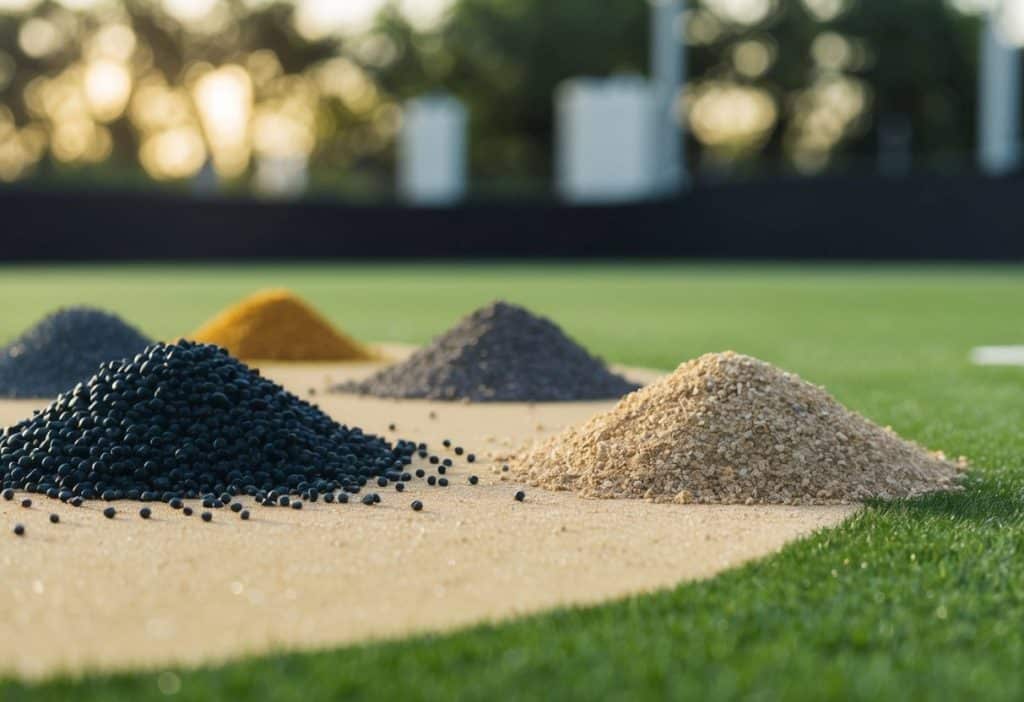
Infill materials play a crucial role in maintaining the quality and safety of artificial turf. They provide support and cushioning while affecting how the turf functions. We will explore what infill is, what its purpose is, and what the main types of infill are available for use.
Definition and Purpose of Infill
Infill refers to the substance placed between the blades of artificial grass. Its primary purpose is to support the grass fibers, providing stability and cushioning. This helps the turf maintain its appearance and functionality, making it suitable for various activities.
Infill also absorbs impact, reducing the risk of injuries for children and pets during play. Moreover, it enhances drainage, preventing water pooling on the surface, which is vital for maintaining cleanliness. Our choice of infill can impact not only durability but also health and safety.
Types of Infill Materials
There are several types of infill materials commonly used in artificial turf systems. Each has unique properties that cater to different needs.
- Rubber Infill: This material provides excellent cushioning and durability. It is often used in sports fields and playgrounds.
- Sand Infill: Sand is a popular choice for its cost-effectiveness and stability. It offers good drainage and is often used in residential lawns.
- Acrylic-Coated Sand: This type of sand has added antimicrobial properties, making it ideal for areas frequented by kids and pets. It does not absorb liquids or odors, keeping the turf fresh.
- Organic Options: Made from natural materials, these infills are becoming popular for eco-conscious consumers. They are biodegradable and safe for the environment.
Choosing the right infill material is essential for ensuring a safe and enjoyable experience for children and pets.
Safety Considerations for Children and Pets
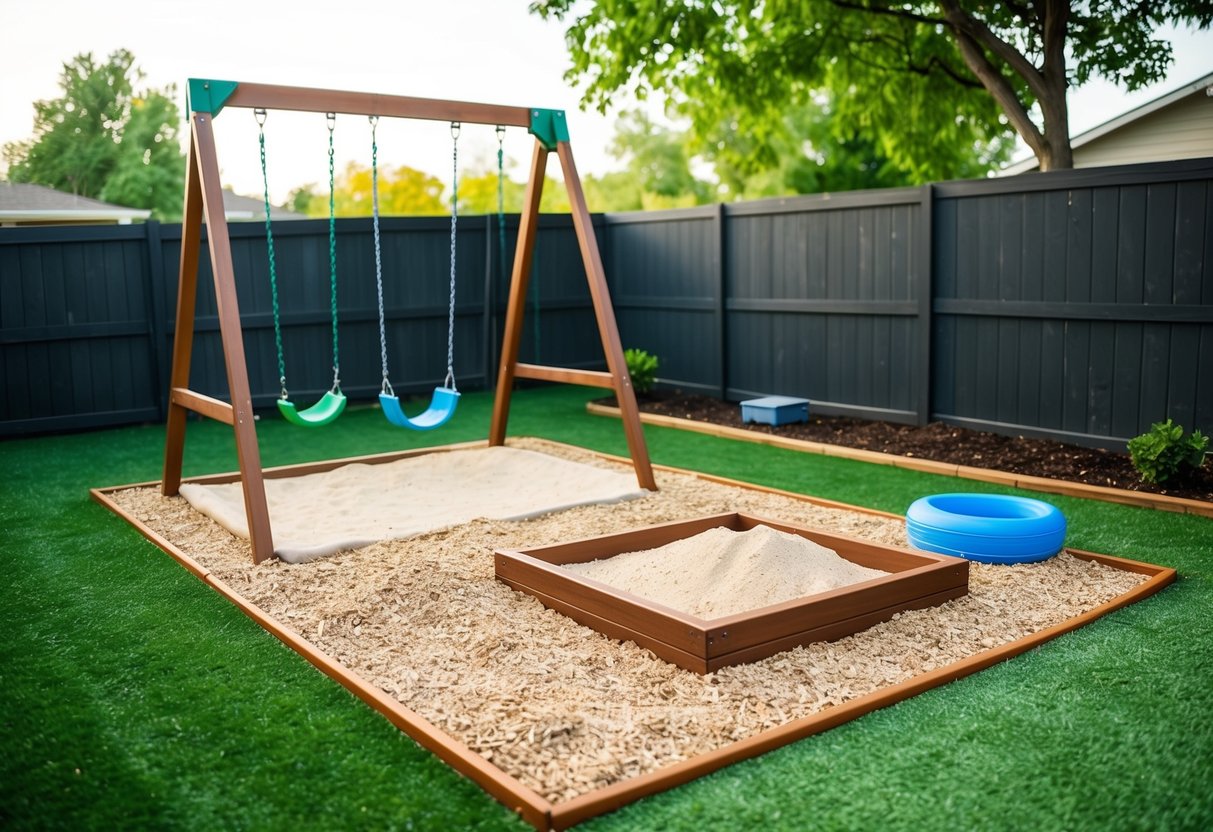
When choosing infill for artificial turf, safety is a top priority. We need to ensure the materials are non-toxic, allergen-free, and free of choking hazards. Each of these factors plays a vital role in creating a safe environment for both children and pets.
Non-Toxic Materials
Using non-toxic infill materials is crucial for the safety of children and pets. Many traditional infill options contain harmful chemicals that can pose health risks. Instead, we should look for infill made from natural sources, such as cork, coconut husks, and recycled rubber.
These materials are not only safe but also help to reduce the risk of irritation or allergic reactions. It’s important to verify that any infill we choose meets safety standards, like IPEMA certification. This ensures that the materials are safe for play areas.
Allergen-Free Options
Allergen-free options are another essential consideration. Children and pets can have sensitivities to various materials, which can lead to discomfort or allergic reactions.
To minimize these risks, we should select infill made from organic materials. Common choices include coconut fibers, and natural rubber, which are less likely to cause allergic reactions compared to synthetic options.
Reading product labels carefully and ensuring they are free from known allergens is crucial. This way, we can provide a safe space that accommodates everyone, especially those with allergies.
Choking and Ingestion Hazards
Finally, we must think about choking and ingestion hazards. Some infill materials can pose risks if ingested, especially by curious pets or young children.
To avoid these dangers, we should select infill that consists of larger particles that are less likely to be swallowed. Options like larger rubber granules or natural infill options that resist compaction can help control safety concerns.
Additionally, we must regularly inspect the turf for wear and tear, which could create smaller pieces that can become choking hazards. Prioritizing safe materials ensures a secure environment for our families and pets.
Durability and Maintenance
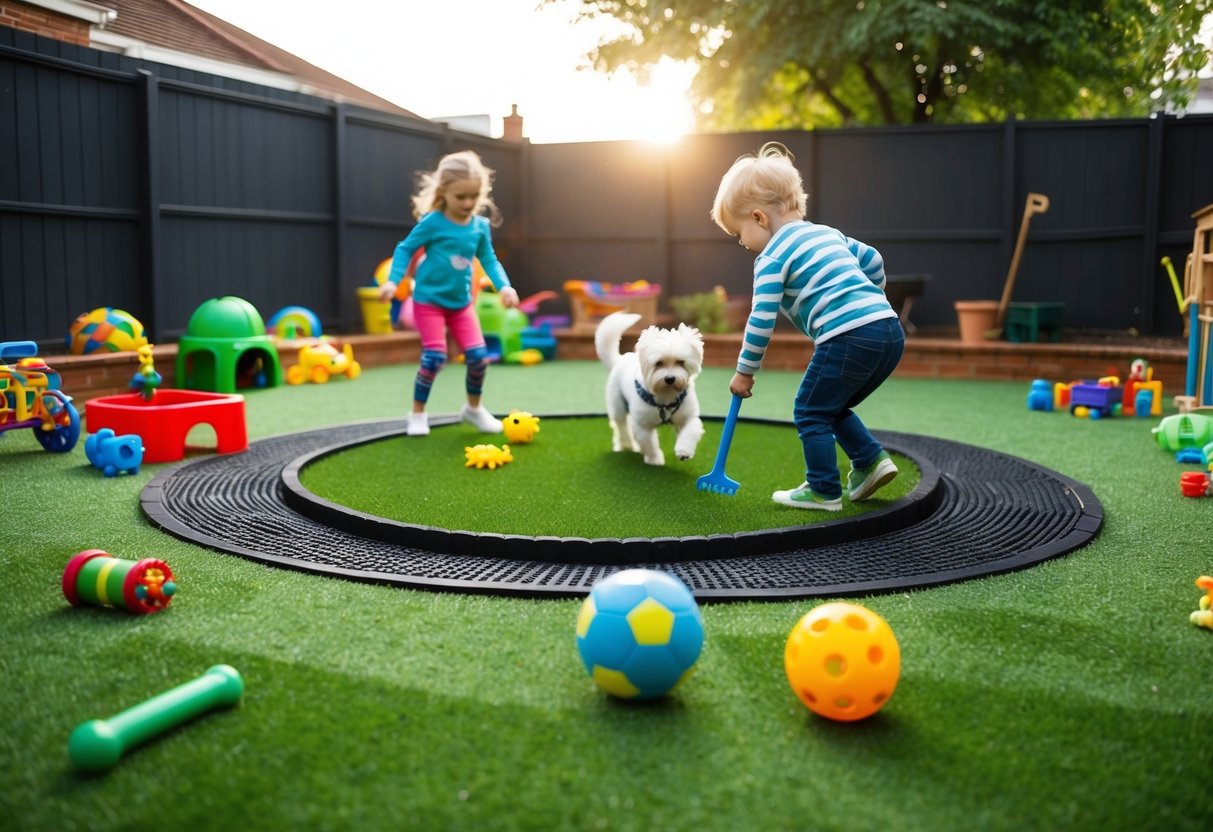
When choosing infill materials for artificial turf, we consider two main factors: how well the material can withstand daily use and how easy it is to keep clean. Understanding these aspects helps us ensure a safe environment for children and pets.
Resilience to Wear and Tear
Durability is crucial in infill materials. We need infill that can handle foot traffic, pet activity, and weather changes without breaking down.
Some popular options include:
- Rubber Infill: This infill is highly resilient. It works well in high-traffic areas and can absorb impact, making it a good choice for playgrounds or dog parks.
- Organic Infill: While eco-friendly, organic options can compact more easily. They may require more frequent maintenance, especially in areas with heavy use.
Choosing the right type of infill helps maintain the appearance and safety of synthetic grass over time.
Ease of Cleaning
Cleaning artificial turf can be straightforward when we select the right infill. Some types allow easier maintenance.
For instance:
- Rubber and Synthetic Infill: These materials do not hold water or dirt as easily. Regular rinsing is generally sufficient to keep them clean.
- Organic Infill: This type may attract more organic debris. We might need to use a rake or blower more often to keep it tidy.
Selecting infill that simplifies cleaning helps ensure our outdoor spaces remain safe and enjoyable for play.
Environmental and Health Impact
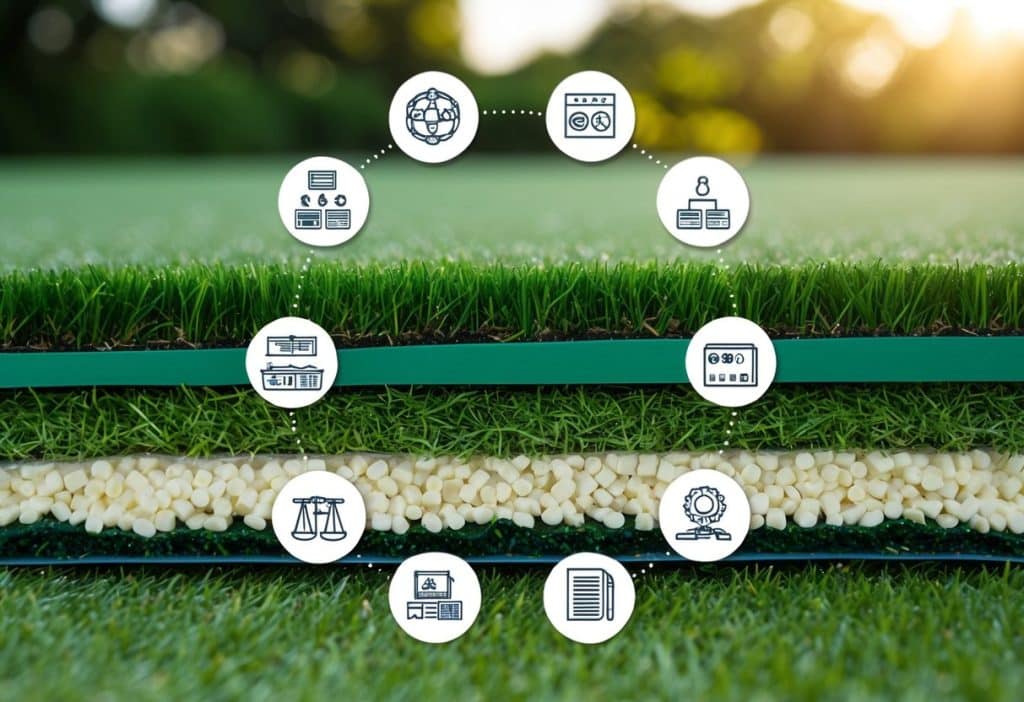
Infill materials can influence both the environment and our health. We must consider the choices we make regarding infill for artificial turf, as some materials can have harmful effects.
Eco-Friendly Materials
When selecting infill, it is wise to choose eco-friendly options. Traditional crumb rubber, made from recycled tires, raises safety concerns. Alternatives like silica sand, coconut fibers, and cork provide safer choices.
These materials are non-toxic, making them better for children and pets. They reduce potential health risks, such as skin irritation and respiratory issues. Moreover, eco-friendly infills contribute less to landfill waste and promote sustainable practices.
Using plant-based materials not only supports our health but also minimizes our carbon footprint. By opting for sustainable options, we help foster a healthier environment for future generations.
Impact on Air Quality
The type of infill we use can also affect air quality. Crumb rubber contains chemicals that may release harmful particles into the air. These chemicals are known to contribute to asthma and other respiratory issues.
In contrast, environmentally safe infills like sand or natural fibers do not emit toxic substances. This helps maintain cleaner air around our play areas.
Ensuring good air quality is essential for the health of our families. By making informed choices about infill materials, we can protect our health and that of our children and pets.
Product Longevity and Cost
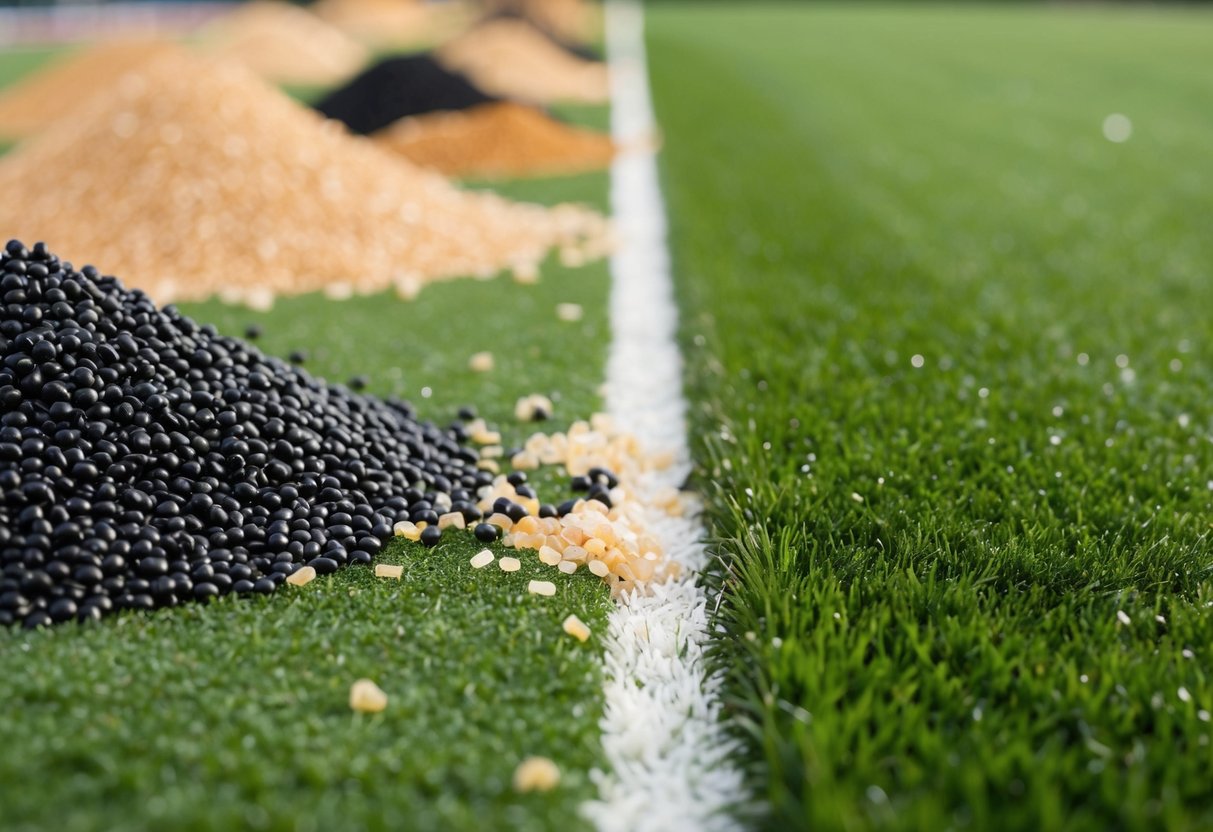
When choosing infill materials for artificial turf, we focus on product longevity and cost. Understanding how long the materials last and their expenses will help us make informed decisions for children and pets.
Lifespan of Infill Materials
Infill materials vary in lifespan based on their type. For example, rubber infill typically lasts around 8 to 12 years with proper maintenance. Natural infills, like cork or coconut fiber, can last about 5 to 8 years, depending on environmental factors.
With time, infill materials can break down, losing effectiveness in cushioning and support. Regular maintenance is crucial in extending their lifespan. For instance, rotating infill materials can help maintain an even distribution and prevent compaction.
Initial Costs and Long-Term Savings
The initial cost of infill materials can differ widely. High-quality rubber infill may range from $0.75 to $1.50 per pound, while more economical options, like sand, can be as low as $0.10 to $0.25 per pound.
While cheaper options may save money upfront, they may need replacing sooner. Investing in durable materials often leads to lower long-term costs. For instance, spending more on a quality rubber infill can reduce replacement and maintenance costs over time, providing better value for our investment. By understanding both initial costs and potential long-term savings, we can choose wisely for our turf needs.
Installation and Replacement
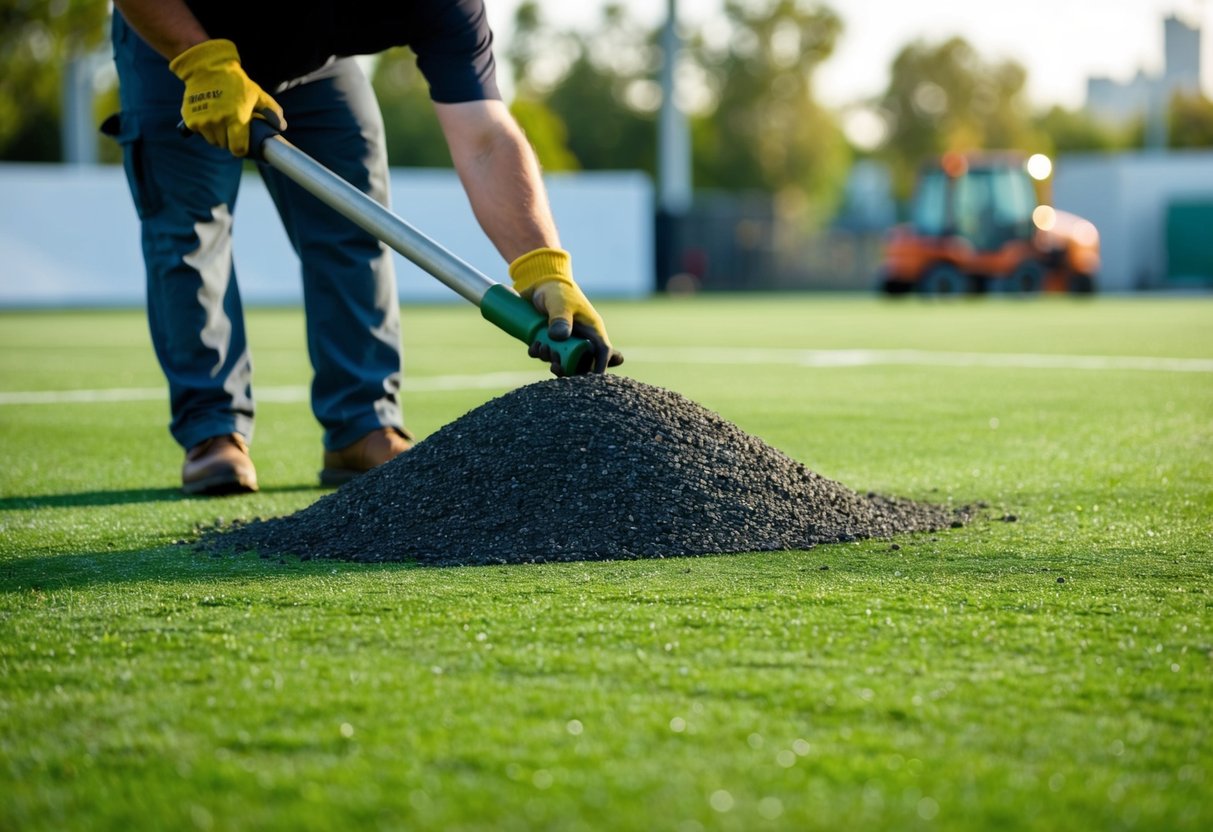
Proper infill installation and ongoing maintenance are key to the performance and longevity of artificial turf. We’ll explore techniques for installing infill correctly, strategies for long-term care, and solutions to common issues that may arise.
Proper Infill Installation Techniques
To install infill correctly, we start by spreading it evenly across the turf surface. We use a drop spreader or power broom to distribute the material. The infill should be applied in thin layers, working it into the turf fibers with a stiff brush.
We recommend using a plate compactor to settle the infill between the grass blades. This step helps create a stable base. The process is repeated until we reach the desired infill depth.
It’s important to measure the infill depth regularly during installation. We use a depth gauge to ensure consistent coverage. Different types of infill may require specific techniques, so we always follow manufacturer guidelines.
Long-Term Maintenance Strategies
Regular maintenance keeps artificial turf in top shape. We suggest brushing the turf weekly to redistribute infill and keep fibers upright. A stiff-bristled broom or power brush works well for this task.
Periodic topping up of infill is necessary as it can settle or disperse over time. We check infill levels monthly and add more as needed. This helps maintain the turf’s cushioning and stability.
For areas with heavy foot traffic, more frequent maintenance may be required. We pay extra attention to these high-use zones. Proper maintenance also involves removing debris and leaves to prevent organic matter buildup.
Common Challenges and Solutions
Infill migration is a common issue. We address this by using infill with angular particles that lock together better. Installing turf with proper edging also helps contain the infill.
Compaction can occur in high-traffic areas. We solve this by regular grooming and occasional deep cleaning. A power broom or specialized turf rake can help loosen compacted infill.
Odor buildup, especially in pet areas, can be problematic. We recommend using antimicrobial infills or applying enzyme treatments to break down odor-causing bacteria.
Weed growth between infill particles sometimes occurs. We combat this by using weed barriers during installation and spot-treating any weeds that do appear with eco-friendly herbicides.
When installing infill materials for artificial turf, we face the decision of choosing between professional assistance or a DIY approach. Additionally, we should consider how easy it is to replace and maintain the infill over time.
Professional vs. DIY Installation
Choosing between professional installation and a DIY approach depends on our skills and resources. Hiring professionals can ensure that the infill is installed correctly, providing a safe and functional surface for children and pets. They have experience with various materials, making recommendations based on our specific needs.
On the other hand, a DIY installation can save us money. If we are comfortable with basic tools and following instructions, we can manage the process ourselves. We should be prepared to allocate more time and effort to ensure that the installation meets safety standards, especially for areas used by kids and pets.
Ease of Replacement and Upkeep
Over time, infill materials may need replacement due to wear or environmental factors. We should choose materials that allow for easy replacement while maintaining safety and performance.
Many infill options, such as coated sand or organic materials like cork, can be easier to replace than traditional rubber. We can often spot clean or top-dress these materials without complete removal. Regular maintenance, such as raking and replenishing the infill, can extend its life and keep our turf looking fresh.
Best Practices for Choosing Infill
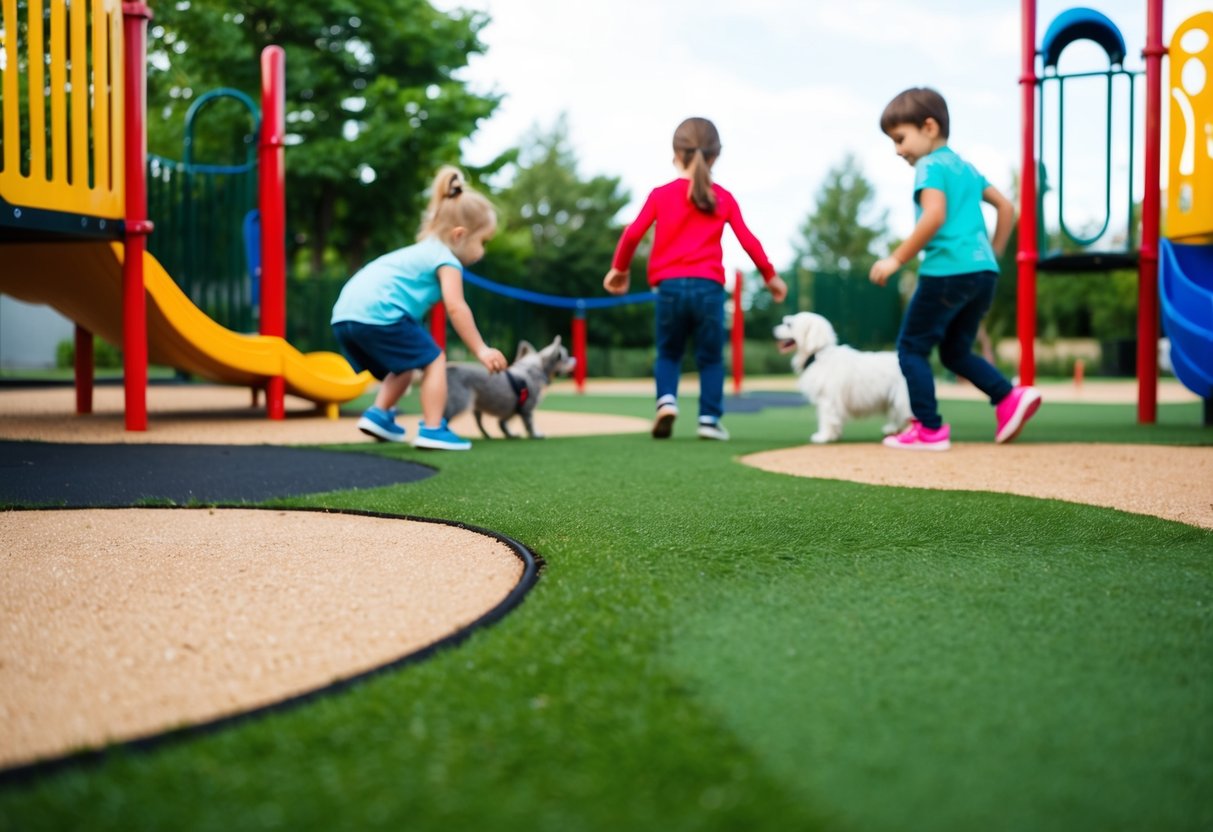
When we choose infill materials for artificial turf, it is essential to consider our specific needs. By evaluating individual requirements and comparing available products, we can make informed decisions that benefit both children and pets.
Assessing Individual Needs
First, we should consider how the turf will be used. Is it primarily for play, or will it also enhance the yard’s aesthetics? For active areas, we may prefer durable options that withstand wear and tear.
Next, we take into account who will primarily use the turf. If pets are involved, we might prioritize infills that are safe and non-toxic. Antimicrobial infill materials are highly recommended for minimizing bacteria and odors.
Additionally, we should look at our local climate. Some infills perform better in extreme heat or cold. Understanding these factors helps us choose the right product for our specific environment.
Comparing Products and Reviews
After identifying our needs, we can compare different products. We should look for infill materials that have good reviews from other consumers. This can provide insight into the durability and effectiveness of each type.
Websites dedicated to artificial turf often compare various infill options. We should pay attention to details such as safety ratings and maintenance requirements.
Seeking feedback from others who have installed similar turf can also be very helpful. By considering all this information, we can confidently choose an infill that meets our family’s needs and enhances our outdoor space.
Case Studies and Application Examples
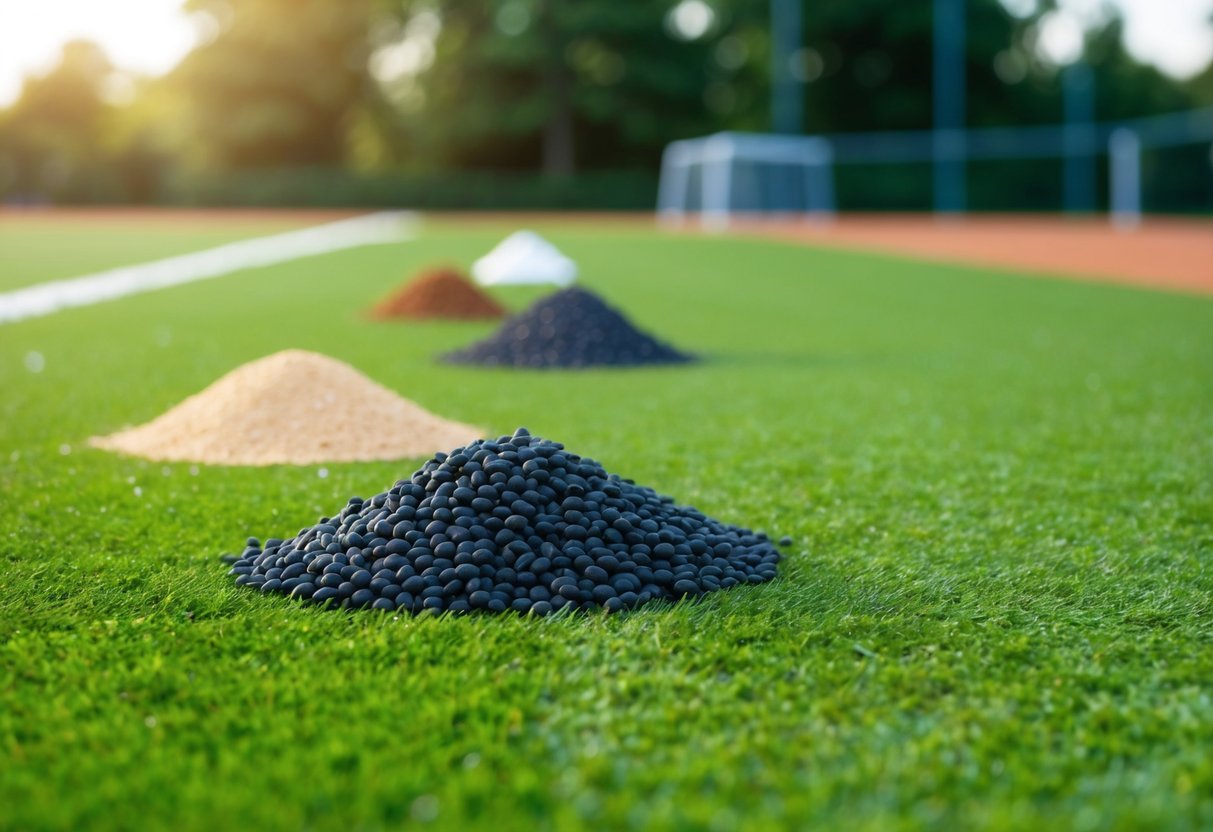
We’ve seen various infill materials used in different artificial turf applications. Let’s look at some real-world examples.
In professional sports, many NFL teams use crumb rubber infill on their practice fields. This material provides excellent shock absorption and durability for high-impact use.
For school playgrounds, some districts are opting for alternative infills. One elementary school in California chose cork infill for its eco-friendly properties and cooler surface temperatures.
Many homeowners prefer silica sand infill for residential lawns. It’s cost-effective and helps keep grass blades upright.
A public park in New York installed a combination infill system. They used a mix of sand and acrylic-coated sand to balance performance and safety.
Some golf courses use zeolite infill for putting greens. This material helps maintain consistent ball roll and speed.
Here’s a quick comparison of infill choices in different settings:
| Setting | Common Infill Choice |
|---|---|
| Sports fields | Crumb rubber |
| Playgrounds | Cork or TPE |
| Residential | Silica sand |
| Golf courses | Zeolite |
These examples show how infill selection varies based on specific needs and preferences in each application.