


Artificial turf has become a popular choice for many spaces, from homes to sports fields. Its low maintenance and year-round green appearance make it an attractive option. But like all things, it doesn’t last forever.
A high-quality artificial turf installation can last between 8 to 20 years for residential and commercial spaces, while sports fields may need replacement every 5 to 10 years due to heavier use. The lifespan depends on factors like the quality of materials, installation, and how well it’s maintained.
We’ll explore how often artificial turf needs replacement in different settings. We’ll also look at signs that indicate it’s time for new turf and tips to extend its life. Whether you have a backyard lawn, business or a sports field, this guide will help you know when it’s time for a turf update.
Basics of Artificial Turf Lifespan

Artificial turf durability varies based on several factors. The expected lifespan differs for residential, commercial, and sports applications.
Factors Affecting Turf Longevity
The quality of artificial turf materials plays a big role in how long it lasts. Higher-grade turf tends to be more durable. Usage levels also impact longevity. Heavy foot traffic can shorten the lifespan.
Maintenance is crucial too. Regular cleaning and proper care can extend turf life significantly. Weather conditions affect durability as well. Extreme heat or cold may cause faster wear.
Installation quality matters. Poorly installed turf won’t last as long. The type of infill used can also influence longevity.
Expected Lifespan of Artificial Turf
For residential use, artificial turf typically lasts 8-20 years. With good care, some turf can even last up to 25 years in homes.
Commercial spaces usually see moderate wear. We expect a lifespan of 5-15 years in these areas.
Sports fields face the most intense use. They often need replacement every 8-10 years. High-traffic areas on sports fields may wear out faster. But with regular maintenance, some turfs can even last up to 20 years in sports facilities.
It’s important to note that these are averages. Actual lifespan can vary based on the factors we mentioned earlier.
Residential Artificial Turf Replacement
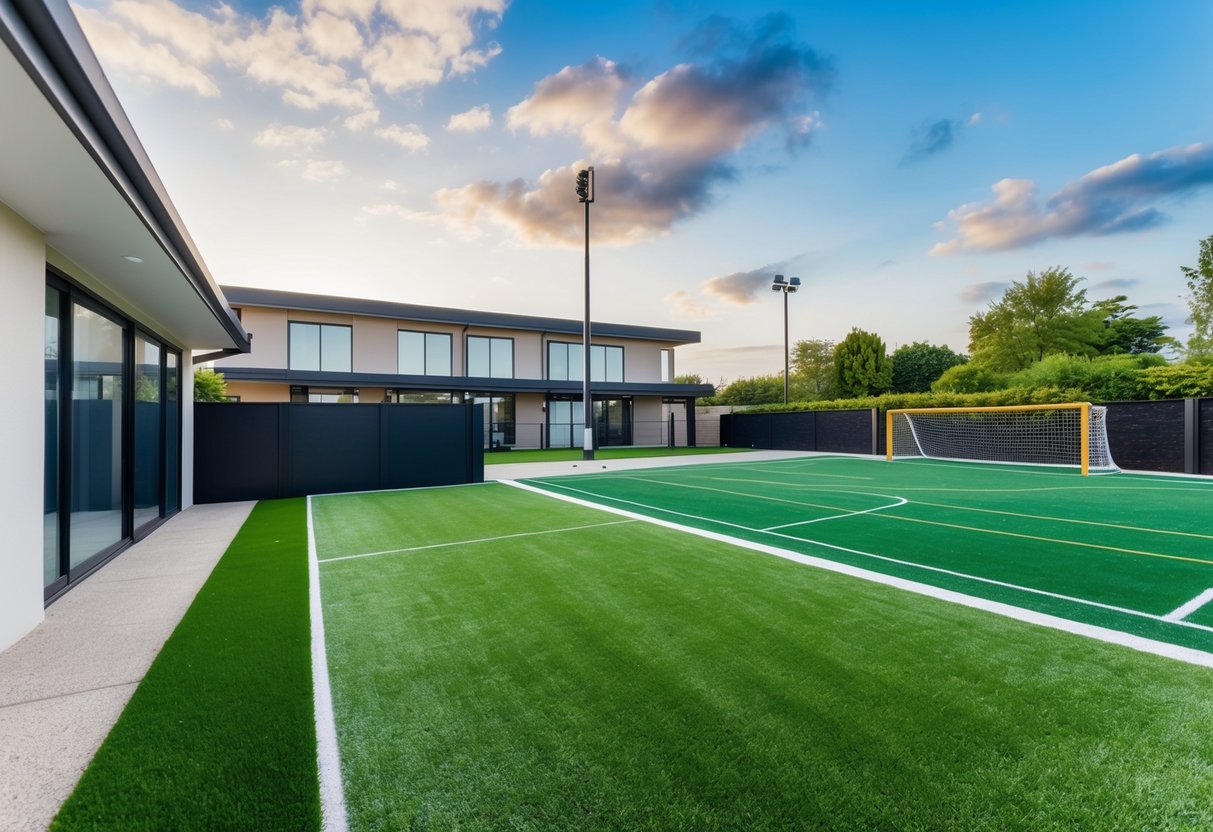
Residential artificial turf typically lasts longer than commercial or sports applications. We’ll explore common usage scenarios and signs that indicate it’s time for replacement.
Typical Usage Scenarios
Residential artificial turf sees varied use. It’s often installed in front and back yards, play areas, and pet zones. These spaces usually experience less foot traffic than sports fields.
Homeowners use artificial turf for lawns, putting greens, and landscaping features. The lifespan depends on factors like sun exposure, pet activity, and maintenance habits.
High-quality artificial turf can last 15 to 25 years in residential settings. This long lifespan makes it a popular choice for homeowners seeking low-maintenance landscaping options.
Signs of Wear and Replacement Indicators
We look for specific signs to determine if residential artificial turf needs replacement:
- Flattened or matted areas that don’t spring back
- Faded or discolored patches
- Loose seams or edges
- Thinning or bare spots
- Drainage issues or water pooling
Surface damage from accidents or extreme weather can also necessitate replacement. Check for burns, tears, or areas damaged by heavy objects.
Odors that persist after cleaning may indicate it’s time for new turf. This is especially common in areas frequented by pets.
Regular maintenance can extend turf life. Brush the fibers, remove debris, and address spills promptly to keep your artificial lawn looking fresh longer.
Commercial Space Turf Replacement

Artificial turf in commercial spaces faces unique challenges. The lifespan and replacement needs depend on foot traffic, maintenance, and environmental factors. We’ll explore key aspects of durability and upkeep for commercial turf installations.
Durability for High Traffic
Commercial spaces often see heavy foot traffic, impacting turf longevity. High-quality artificial turf can last 15 to 25 years in ideal conditions. But commercial areas may need more frequent replacements.
We recommend choosing turf with:
- Dense fibers for better resilience
- UV-resistant materials to prevent fading
- Proper infill for cushioning and support
Regular inspections help spot wear and tear early. Look for:
- Flattened or matted areas
- Thinning or bare spots
- Faded or discolored patches
Early intervention can extend turf life and delay full replacement.
Maintenance and Replacement Schedules
Proper care is key to maximizing commercial turf lifespan. We suggest creating a maintenance plan that includes:
- Weekly debris removal
- Monthly deep cleaning
- Quarterly infill redistribution
Commercial lawns may last up to 25 years with good care. But high-use areas might need replacement sooner.
Signs it’s time to replace:
- Visible seam separations
- Persistent odors
- Poor drainage
- Safety hazards like tripping spots
We advise budgeting for replacement every 8-15 years, depending on use. This ensures a safe, attractive space for customers and employees.
Sports Field Turf Replacement
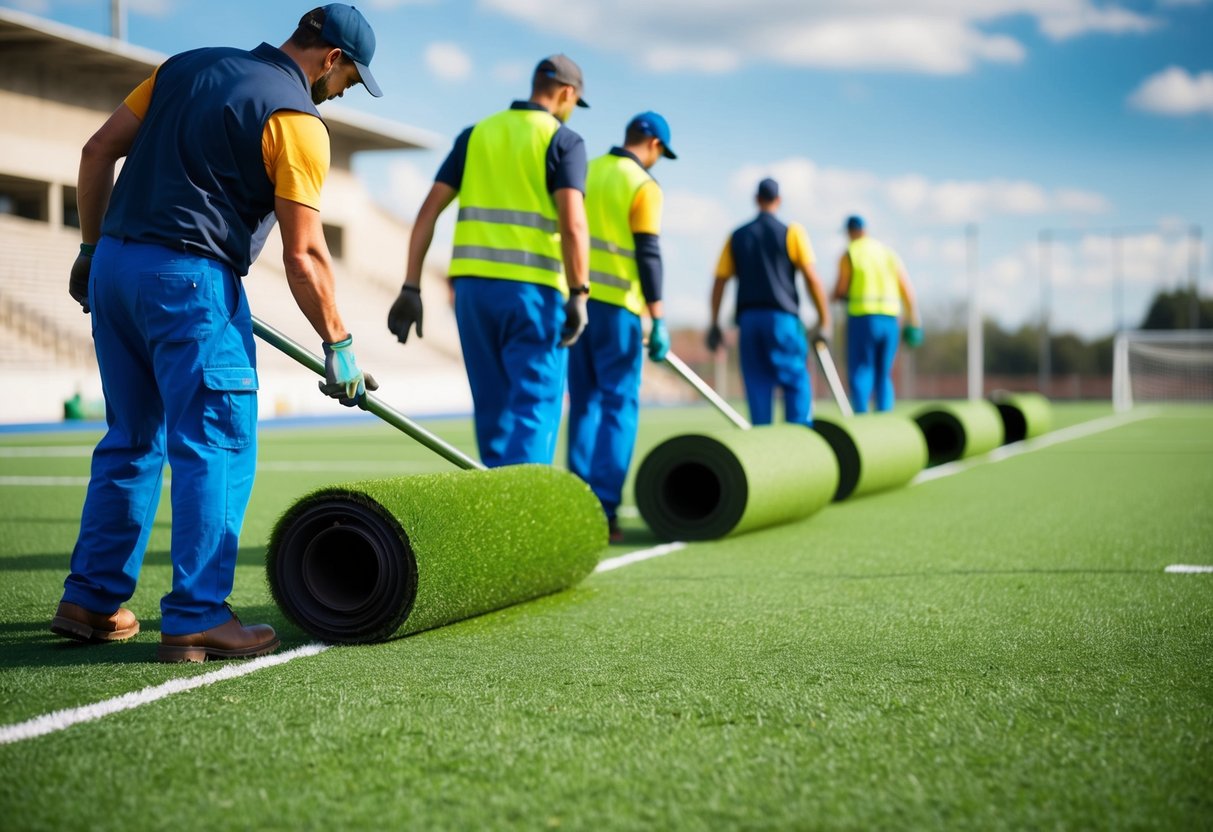
Artificial turf on sports fields needs regular upkeep and eventual replacement. We’ll explore key factors in determining when to replace turf and how to maintain it properly.
Performance and Safety Considerations
Sports field turf replacement is crucial for athlete safety and optimal performance. We recommend assessing the field’s condition regularly. Look for signs of wear like flattened fibers, thinning areas, or uneven surfaces.
Shock absorption is vital. If the field feels too hard, it may not protect players from impacts. Test the field’s shock absorption yearly.
Check seams and markings. Loose seams can trip athletes. Faded lines make it hard to play accurately.
Drainage is another key factor. Poor drainage leads to puddles and unsafe playing conditions. If water doesn’t drain quickly after rain, it’s time to consider replacement.
Regular Inspection and Maintenance
We cannot stress enough the importance of routine care for artificial turf. Regular maintenance can extend a field’s life by years.
Inspect the field weekly during heavy use seasons. Look for tears, holes, or uneven areas. Address small issues promptly to prevent bigger problems.
Brush the turf regularly to keep fibers upright. This maintains good traction and appearance.
Remove debris like leaves and litter often. They can decay and harm the turf.
Top up infill material as needed. Proper infill levels help with shock absorption and turf stability.
Test for compaction yearly. If the field is too hard, it may need decompaction or infill replacement.
Environmental and Warranty Aspects
Artificial turf comes with important warranty coverage and disposal considerations. These factors affect its long-term value and environmental impact.
Manufacturer Warranties
Most artificial turf warranties last 15 years for residential and commercial use. We find that higher-quality products often have longer coverage periods.
Warranties typically cover:
- UV protection
- Color fading
- Fiber loss
- Drainage issues
For sports fields, warranties are usually based on usage hours rather than years. This accounts for the more intense wear these surfaces experience.
It’s crucial to follow proper maintenance guidelines to keep the warranty valid. We recommend keeping records of all upkeep and professional services performed.
Eco-Friendly Disposal and Recycling
When it’s time to replace artificial turf, we must consider eco-friendly disposal options. Many components can be recycled or repurposed.
Recycling benefits:
- Reduces landfill waste
- Conserves resources
- Lowers environmental impact
Artificial turf is sustainable, using less water and chemicals than natural grass. At the end of its life, the materials can often be:
- Reused in other landscaping projects
- Recycled into new products
- Used as infill for sports fields
We encourage working with certified recycling facilities to ensure proper handling of old turf materials.
Installation and Replacement Process

Installing or replacing artificial turf requires careful planning and execution. The right materials and techniques are key to a successful project that will last for years.
Choosing the Right Turf Material
When selecting artificial turf, we need to consider several factors. The turf’s intended use, local climate, and aesthetic preferences all play a role. For residential areas, softer turf with a natural look works well. Commercial spaces may need more durable options.
Sports fields require specialized turf designed for specific activities. We recommend high-quality artificial turf that can withstand heavy use. This type of turf is often more expensive but lasts longer.
It’s important to check the turf’s warranty and expected lifespan. Some artificial grass can last up to 25 years in residential settings.
Professional Installation vs. DIY
Professional installation ensures proper preparation and placement of the turf. Experts have the tools and knowledge to create a level base and secure the turf correctly.
DIY installation can save money, but it’s time-consuming and challenging. It requires removing existing grass, preparing the ground, and laying the turf properly.
Removing old turf and preparing the base are crucial steps. These tasks can be difficult for inexperienced installers.
We suggest hiring professionals for large or complex projects. Their expertise can prevent issues and extend the life of your artificial turf.