


Looking for a low-maintenance lawn alternative? AstroTurf and other artificial grass options have come a long way since their early days in sports stadiums. Today’s synthetic turf products offer homeowners a realistic-looking lawn that stays green year-round without watering, mowing, or fertilizing.
Artificial grass typically lasts 15-20 years with proper installation and requires minimal upkeep compared to natural grass, making it an increasingly popular choice for residential landscapes. Modern versions have improved dramatically in appearance and feel, with varieties designed to withstand heavy foot traffic while remaining soft enough for children and pets.
The installation process usually involves removing existing grass, adding a base layer for drainage, and laying the synthetic turf product. While the upfront cost exceeds that of natural sod, many homeowners find the long-term savings in water bills and maintenance equipment worthwhile, especially in drought-prone regions or areas with watering restrictions.
What Is Astro Turf?
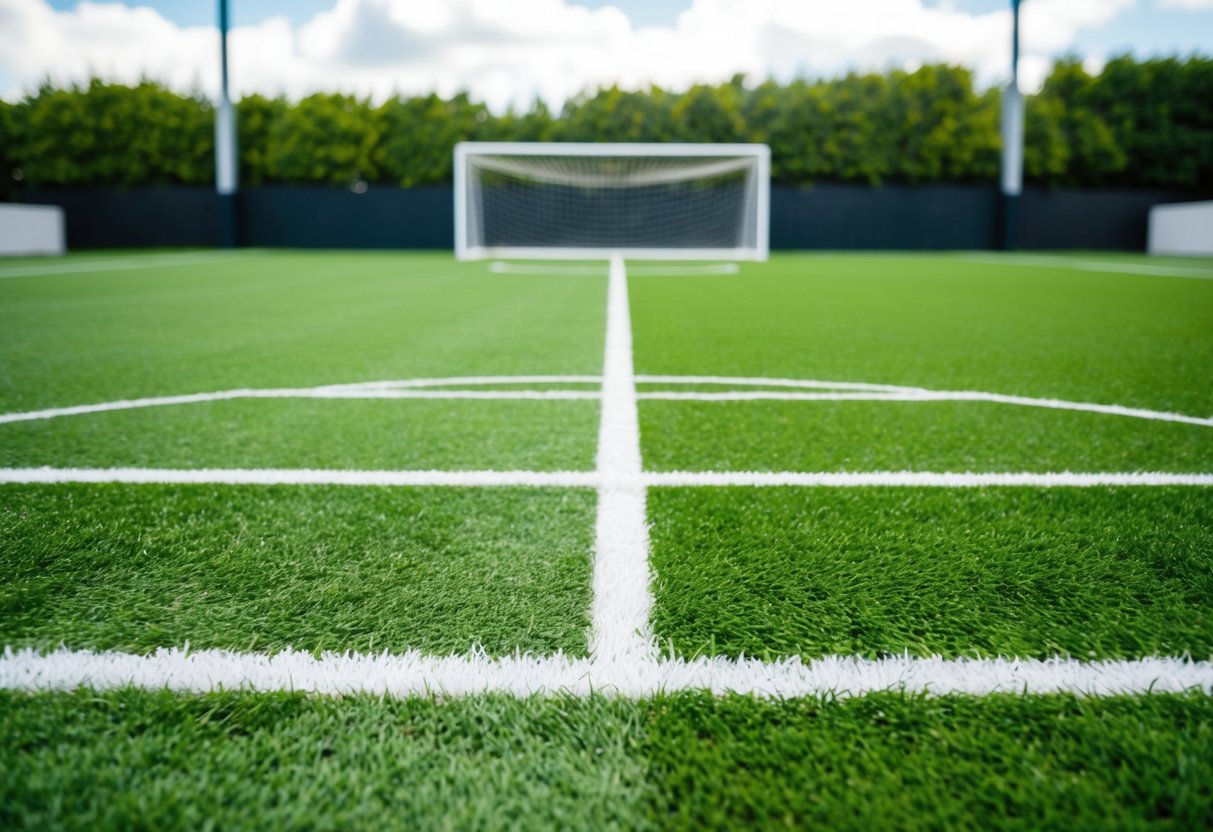
Astro Turf is a synthetic playing surface that revolutionized sports facilities since its introduction in the 1960s. It provides a consistent playing surface regardless of weather conditions and requires less maintenance than natural grass.
Definition and Key Features
AstroTurf is a brand name for a type of artificial turf made from synthetic fibers designed to mimic natural grass. The product is created by an American subsidiary of SportGroup that specializes in producing artificial playing surfaces for sports.
Key features of AstroTurf include:
- Durability: Designed to withstand heavy use and harsh weather conditions
- Consistent playing surface: Provides uniform bounce and roll for sports balls
- Low maintenance: Requires no mowing, watering, or fertilizing
- All-weather usability: Playable in rain, snow, or drought conditions
The material typically consists of synthetic fibers attached to a backing material, creating a carpet-like surface that resembles grass.
Types of Astro Turf
Modern AstroTurf comes in several varieties, each designed for specific applications:
- Sports-specific turf: Customized for particular sports like football, baseball, field hockey, or soccer
- Multi-sport surfaces: Designed to accommodate various activities on the same surface
- Landscaping varieties: Created for aesthetic purposes in residential and commercial settings
These varieties differ in pile height (how tall the “blades” are), fiber density, and infill materials. Sports turf products are engineered to withstand the demands of specific games, with considerations for ball bounce, traction, and player safety.
Brief History and Evolution
The synthetic grass product that became known as AstroTurf was originally designed as an urban playing surface to replace concrete playgrounds. It gained fame when installed in the Houston Astrodome in 1966, which is how it got its name.
Early versions were relatively simple and often criticized for being too hard and abrasive. Players sometimes suffered from “turf burns” when sliding or falling on these surfaces.
Over decades, AstroTurf has evolved significantly with:
- Softer, more grass-like fibers
- Improved shock absorption systems
- Better drainage capabilities
- More realistic appearance and playing characteristics
Modern AstroTurf systems bear little resemblance to the original products, offering much improved performance and safety features for athletes.
Common Uses for Astro Turf

Artificial turf has evolved significantly since its introduction, now serving multiple purposes beyond traditional sports applications. Its versatility, durability, and low maintenance requirements make it suitable for diverse environments.
Sports Fields
Astro turf revolutionized sports facilities when it was first installed in the Houston Astrodome in 1966. Today, it’s widely used in professional and amateur sports venues for football, soccer, baseball, field hockey, and rugby.
Modern sports turf features shock-absorbing layers that reduce impact injuries and provide consistent playing surfaces in all weather conditions. Unlike natural grass, synthetic turf doesn’t form mud puddles or develop bare patches in high-traffic areas.
Many facilities choose artificial turf because it can withstand intense use without requiring recovery time between games. A single field can host multiple events in succession without degradation.
Sports-specific turf variations exist with different pile heights and infill materials optimized for particular activities. For example, soccer and baseball fields often use different types of artificial grass to accommodate player movement and ball bounce characteristics.
Residential Landscaping
Homeowners increasingly turn to artificial turf for low-maintenance yards that stay green year-round. It eliminates mowing, watering, fertilizing, and pest control while providing an attractive lawn appearance.
Astro turf works particularly well in drought-prone regions where water restrictions make maintaining natural lawns difficult or expensive. Modern varieties look remarkably realistic with various blade shapes, colors, and textures that mimic different grass species.
Residential applications extend beyond traditional lawns to include:
- Rooftop gardens and balconies
- Pet areas that resist damage and are easily cleaned
- Pool surrounds that remain slip-resistant and don’t track grass clippings
- Putting greens for golf enthusiasts
Many homeowners appreciate that artificial turf eliminates mud tracking into homes and provides usable outdoor space even during rainy seasons. Installation costs are higher initially but offset by years of reduced maintenance expenses.
Commercial Spaces
Businesses utilize artificial turf for both practical and aesthetic purposes. Office buildings, hotels, and restaurants often incorporate it into landscaping plans for reliable year-round greenery without maintenance staff.
Retail environments use turf to create inviting outdoor displays and seating areas. The consistent appearance helps maintain brand aesthetics regardless of weather or season. Event venues find artificial grass valuable for creating flexible spaces that transition quickly between different functions.
Creative applications include:
- Wall coverings and vertical gardens
- Trade show booth flooring
- Outdoor mall common areas
- Airport terminal relaxation zones
Commercial installations typically use higher-density turf products designed to withstand heavy foot traffic. Many businesses select antimicrobial varieties for public spaces to enhance cleanliness and reduce maintenance requirements.
Playgrounds and Recreational Areas
Artificial turf provides consistent, cushioned surfaces for children’s play areas. Modern playground installations include specialized padding underneath to meet safety standards for fall protection.
Unlike wood chips or sand, synthetic grass doesn’t hide sharp objects, doesn’t attract animals, and doesn’t need regular replenishment. It drains quickly after rain, allowing playgrounds to reopen faster following wet weather.
Dog parks increasingly choose artificial turf for its durability and hygienic properties. Special antimicrobial infills help control odors, while proper drainage systems manage waste effectively.
Other recreational uses include:
- Mini golf courses
- Batting cages and indoor training facilities
- Yoga and outdoor fitness areas
- Public park gathering spaces
Schools and community centers value artificial turf for its ability to support multiple activities without specialized maintenance staff. The predictable surface reduces trip hazards and provides consistent play experiences throughout the year.
Artificial Grass Vs. Astro Turf
AstroTurf and artificial grass are often confused with each other, but they have distinct differences. AstroTurf is actually a brand name for a specific type of artificial turf that was first developed in the 1960s.
The original AstroTurf had shorter, stiffer fibers and was designed primarily for sports fields. It gained popularity when it was installed in the Houston Astrodome in 1966, which is how it got its name.
Modern artificial grass has evolved significantly from early AstroTurf. Today’s artificial grass is made with reinforced synthetic fibers that closely resemble natural grass in both appearance and feel.
Key Differences:
- Fiber Length: Artificial turf typically has shorter fibers compared to artificial grass.
- Materials: Modern artificial grass uses softer polyethylene or polypropylene, while original AstroTurf used nylon.
- Infill: Artificial turf often includes rubber infill, sand infill, or a combination, while some artificial grass products may not require as much infill.
From a performance perspective, players generally prefer newer artificial grass systems over old-style AstroTurf. Artificial turf is considered advantageous for owners because it costs less to maintain than natural grass once installed.
Many modern sports facilities now use advanced artificial grass systems rather than the original AstroTurf product, though the name “AstroTurf” is still commonly used to refer to any artificial playing surface.
Choosing the Right Astro Turf

Selecting the appropriate artificial grass for your space requires careful consideration of several key factors. The right choice will depend on your specific needs, traffic levels, and aesthetic preferences.
Factors to Consider
When choosing astro turf, durability should be a top priority. Areas with heavy foot traffic need more resilient options with stronger backing and thicker blades. The turf’s appearance matters too – look for products that offer a lush, full look that mimics natural grass.
Drainage capacity is crucial for outdoor installations. The best artificial grass options provide drainage rates of 30+ inches of rain per hour. This prevents water pooling and extends the turf’s lifespan.
Consider the blade height and density based on your intended use. Shorter blades (1-1.5 inches) work well for putting greens, while taller options (1.75-2.5 inches) create a more natural lawn appearance.
The backing material affects both durability and drainage. Look for products with perforated backing for outdoor use to ensure proper water flow.
Popular Brands and Product Options
Several manufacturers have established themselves as leaders in the artificial turf industry. TigerTurf offers high-quality residential and commercial options with various blade shapes and colors.
SYNLawn specializes in environmentally friendly artificial grass made with renewable materials. Their products are known for UV resistance and realistic appearance.
Field Turf focuses on athletic applications with specialized products for specific sports. Their turf options feature advanced shock absorption and performance characteristics.
Each brand typically offers different product lines categorized by:
- Usage type: Residential, commercial, sports, pet areas
- Blade material: Polyethylene, polypropylene, or nylon
- Price point: Economy, mid-range, premium
Most manufacturers provide samples to help customers evaluate texture, color, and overall appearance before purchase.
Sizing and Customization
Artificial turf typically comes in rolls of varying widths, commonly 12-15 feet wide. The length can usually be customized to fit specific areas. Professional installers can seam multiple pieces together for larger areas.
When measuring your space, add 3-6 inches on each side to ensure proper coverage. This extra material helps with secure anchoring and creates clean edges against borders or structures.
Custom shapes and installations are available for unique spaces. Many installers can create:
- Curved edges
- Cutouts for trees or structures
- Multi-colored designs for sports fields
- Logo insertions for commercial applications
For DIY installations, pre-cut kits are available for small areas. These kits typically include properly sized turf pieces and basic installation materials.
Remember to consider waste factors when ordering. Complex layouts may require additional material to accommodate cuts and seams.
What are the disadvantages of Astroturf?

While artificial turf offers convenience, it comes with several significant drawbacks that homeowners should consider before installation. These issues affect comfort, finances, and environmental impact in ways that natural grass does not.
Heat Retention
Artificial turf gets extremely hot during sunny weather. Unlike natural grass, synthetic turf cannot cool itself through evapotranspiration. Surface temperatures can reach 40-60°F higher than natural grass on hot days.
This heat makes the turf uncomfortable or even dangerous to walk on barefoot during summer months. Children and pets are particularly vulnerable to burns from overheated surfaces.
Some homeowners report needing to spray down their artificial lawns with water on hot days, which defeats one of the main water-saving benefits. The heat island effect can also raise surrounding air temperatures.
Newer products include cooling technology, but these options typically cost more and still don’t match natural grass’s cooling abilities.
Initial Installation Cost
The upfront expense of artificial turf presents a significant barrier for many homeowners. Cost ranks as a top concern when considering synthetic grass installation.
Professional installation typically ranges from $8-12 per square foot, making even a modest-sized lawn cost thousands of dollars. A 500 square foot area could cost $4,000-6,000 for quality materials and proper installation.
Quality matters significantly with artificial turf. Cheaper products often look less realistic and deteriorate faster, leading to additional replacement costs.
While manufacturers claim long-term savings on maintenance, the initial investment takes many years to recoup. Homeowners should calculate a 7-15 year timeline before seeing financial benefits over natural grass.
Impact on Biodiversity
Artificial turf creates a biological desert in yards where it’s installed. Natural lawns, even basic ones, support numerous insects, microorganisms, and soil health that synthetic options eliminate.
The plastic surface prevents beneficial soil microbes from breaking down organic matter. This disrupts the natural ecosystem cycle and eliminates habitat for countless small creatures.
Birds lose access to worms and insects they would normally find in grass. Pollinators like bees and butterflies find no value in plastic surfaces.
The environmental footprint extends beyond installation. Most artificial turf eventually ends up in landfills despite recyclability claims from manufacturers. The plastic components can take hundreds of years to decompose and may pollute surrounding soil as they break down.
How much does it cost to lay AstroTurf?

The cost of installing artificial grass varies widely depending on several factors. Most homeowners can expect to pay between $15 to $19 per square foot for materials and professional installation.
For an average-sized project, the total investment can be substantial. A typical 2,500 square foot artificial turf installation costs approximately $22,250, which breaks down to about $8.90 per square foot.
Many residential projects start around $5,000 and increase based on yard size and complexity. The national average typically falls between $9 and $12 per square foot.
Factors affecting artificial grass costs:
- Quality and type of turf material
- Size of installation area
- Complexity of the yard layout
- Required site preparation
- Local labor costs
- Drainage system requirements
DIY installation can significantly reduce costs. If you’re comfortable handling the project yourself, materials might cost around $4,000 for a moderate-sized yard, saving thousands on labor expenses.
For accurate pricing, it’s best to get multiple quotes from local installers. Most companies offer free estimates based on your specific requirements and property conditions.