


Las Vegas homeowners face a tough choice when it comes to maintaining green lawns in the desert. Water costs keep rising, and the city has strict rules about outdoor water use. Traditional grass needs thousands of gallons of water each year to stay alive in the hot, dry climate.
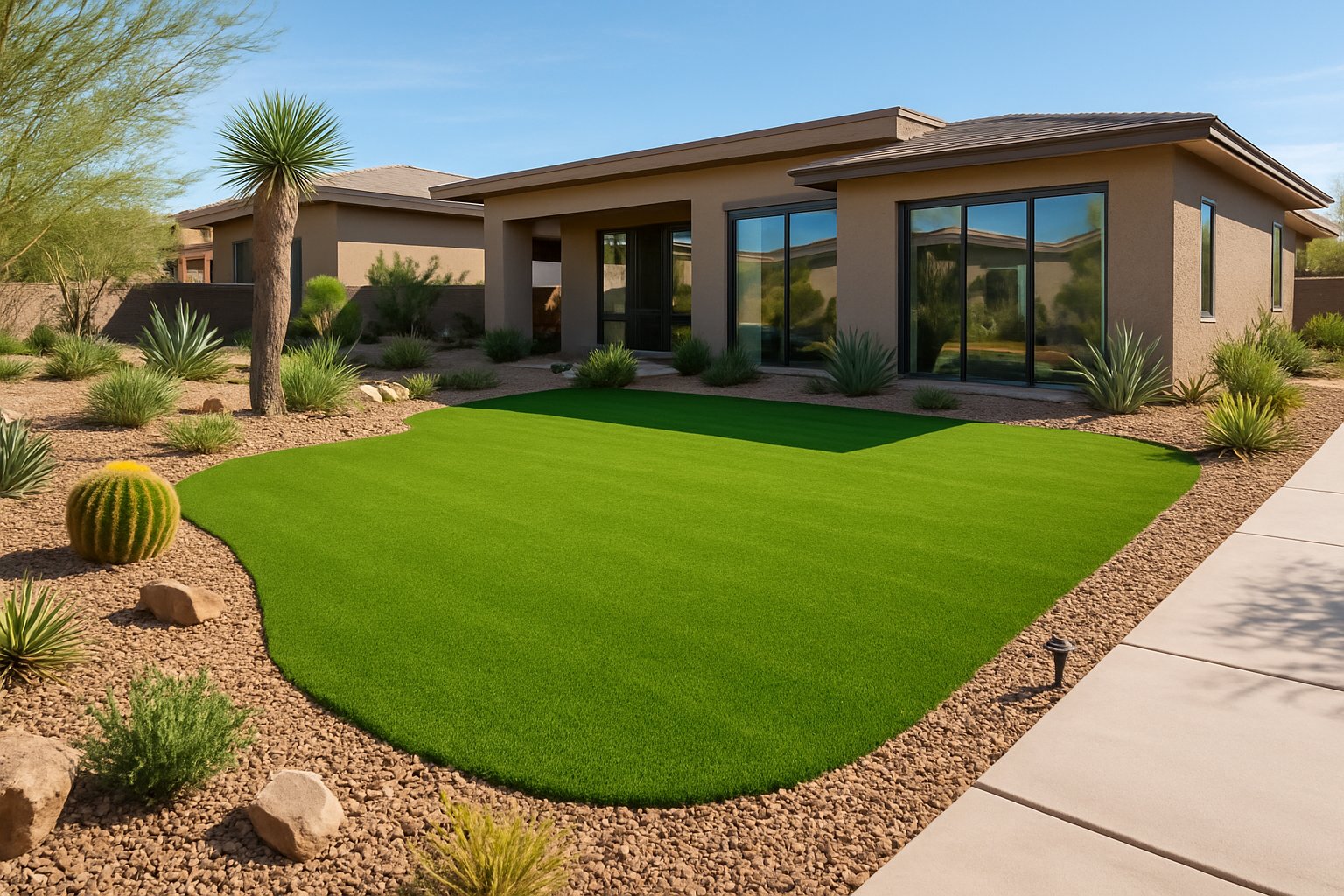
Artificial turf eliminates the need for watering while cutting maintenance costs by up to 70% compared to natural grass. This makes it a smart solution for families who want beautiful yards without the high bills. The Southern Nevada Water Authority even offers rebates to homeowners who switch from real grass to synthetic options.
The switch to artificial turf affects more than just water bills. Homeowners save money on lawn care tools, fertilizers, and pest control products. They also gain time that would normally be spent mowing, watering, and treating their lawns. Understanding the full financial impact and installation process helps Las Vegas residents make the best choice for their properties.
The Water Conservation Challenge in Las Vegas
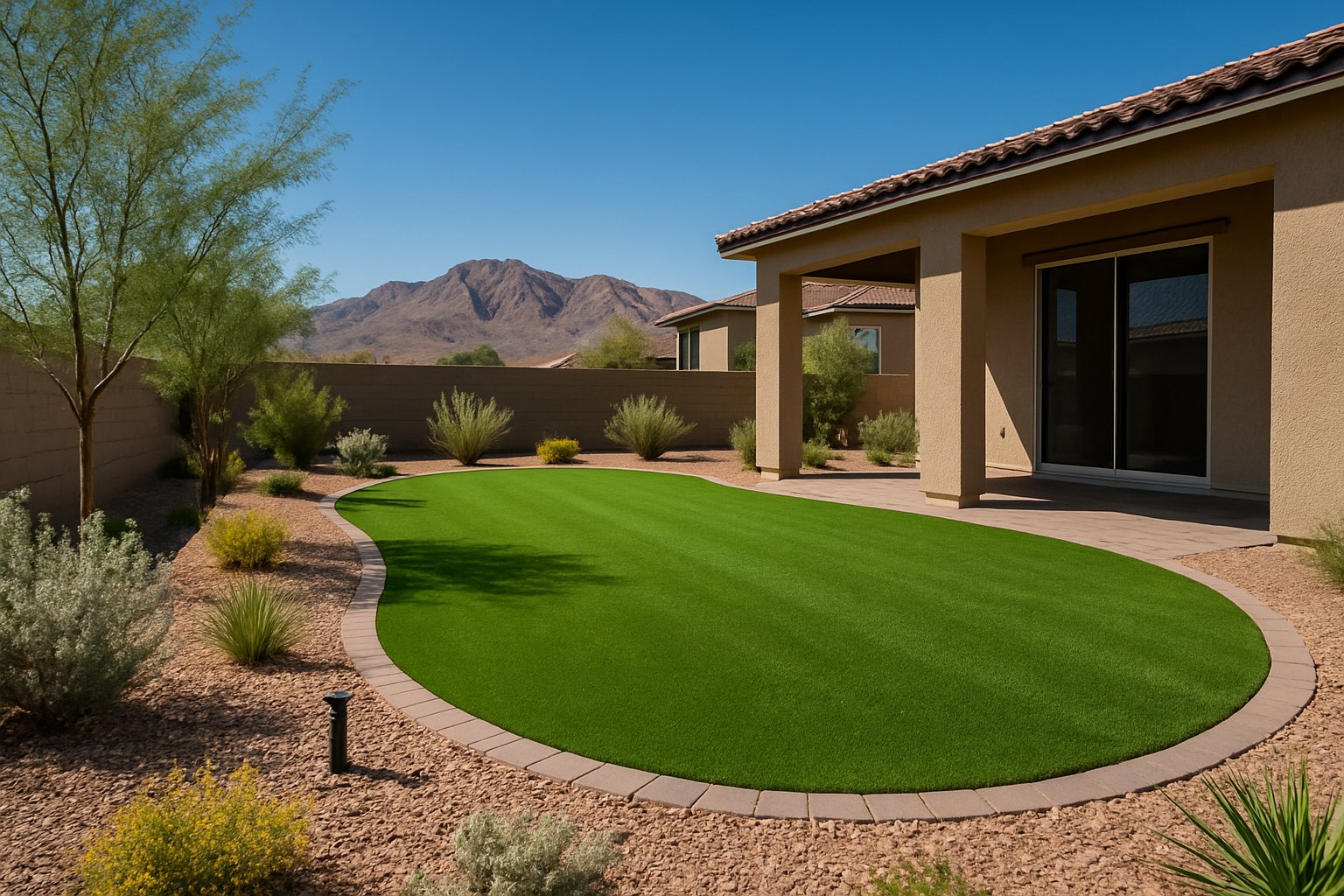
Las Vegas faces severe water shortages due to its location in the Mojave Desert, where natural rainfall provides only 4 inches annually. The city’s growing population and limited water sources create ongoing challenges that require immediate action from residents and businesses.
Desert Climate and Water Scarcity
Las Vegas sits in one of the driest regions in the United States. The city receives approximately 4 inches of rainfall each year, making it highly dependent on external water sources.
The Mojave Desert climate brings extreme temperatures that often exceed 100 degrees during summer months. These conditions increase water demand while natural supply remains limited.
The city relies heavily on the Colorado River and Lake Mead for its water supply. Both sources face significant stress from prolonged droughts and increased demand from surrounding areas.
Lake Mead water levels have dropped to record lows in recent years. This decline forces water authorities to implement stricter conservation measures across the region.
The desert climate makes traditional landscaping extremely water-intensive. Natural grass lawns require constant irrigation to survive in these harsh conditions.
Impact of Water Usage on the Community
High water consumption affects monthly utility bills for Las Vegas residents. Outdoor watering accounts for a large portion of residential water usage, especially during peak summer months.
Natural grass lawns consume approximately 55 gallons of water per square foot annually. A typical 1,000-square-foot lawn uses about 55,000 gallons each year just for irrigation.
Water restrictions limit when residents can water their lawns and gardens. These rules often restrict outdoor watering to specific days and times, creating scheduling challenges for homeowners.
Businesses face similar water usage pressures. Hotels, restaurants, and commercial properties must balance aesthetic appeal with conservation requirements.
Rising water costs put additional financial strain on households and businesses. The Southern Nevada Water Authority continues to adjust rates to encourage conservation while funding infrastructure improvements.
Role of Water Conservation Initiatives
The Southern Nevada Water Authority has implemented strict outdoor watering restrictions. These measures limit irrigation schedules and promote water-efficient landscaping practices.
Rebate programs encourage residents to replace grass lawns with drought-resistant alternatives. The water authority offers financial incentives for turf removal and xeriscaping projects.
Public education campaigns teach residents about water conservation techniques. These programs highlight the importance of reducing consumption and adopting sustainable practices.
Building codes now require new developments to incorporate water-saving features. Developers must include efficient irrigation systems and limit turf areas in new construction projects.
Water conservation initiatives focus on long-term sustainability rather than temporary fixes. These programs aim to reduce overall demand while maintaining quality of life for residents.
How Artificial Turf Saves Water
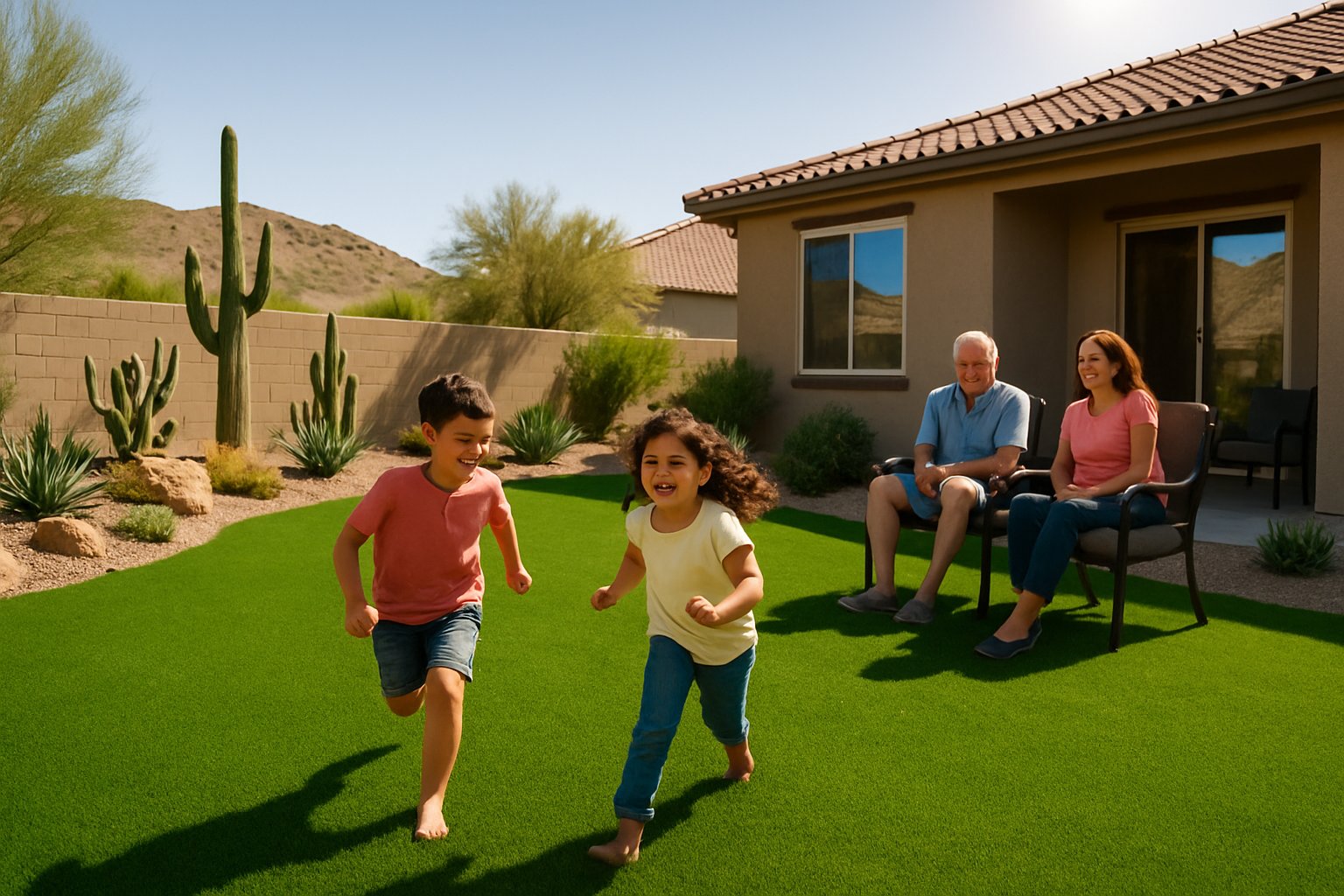
Artificial turf eliminates the need for regular watering while maintaining a green appearance throughout the year. Las Vegas residents can save thousands of gallons annually by switching from natural grass to synthetic alternatives.
Reduction in Irrigation Needs
Natural grass lawns in Las Vegas require constant watering to survive the desert climate. The city receives only 4 inches of rainfall per year on average. This means homeowners must rely entirely on irrigation systems to keep their lawns alive.
Traditional grass needs water every day during summer months. The extreme heat and low humidity cause rapid evaporation. Sprinkler systems must run multiple times daily to replace lost moisture.
Artificial grass eliminates these irrigation demands completely. Synthetic turf requires no scheduled watering to maintain its appearance. The material stays green without any moisture input from homeowners.
Some occasional rinsing may be needed for cleaning purposes. This uses minimal water compared to daily irrigation needs. The cleaning process removes dust and debris rather than providing essential moisture for plant survival.
Zero Watering and Water Savings
A typical 1,000 square foot natural grass lawn in Las Vegas uses approximately 55,000 gallons of water each year. This high usage comes from the desert’s extreme evaporation rates and heat levels.
Synthetic turf reduces outdoor water consumption by up to 90%. The artificial fibers need no water to maintain their color or structure. Property owners can eliminate their lawn watering entirely after installation.
These savings translate to significant reductions in monthly utility bills. Water costs in Las Vegas continue to rise due to regional scarcity issues. The Southern Nevada Water Authority offers rebates to encourage residents to switch from grass to artificial alternatives.
Water usage drops immediately after synthetic turf installation. Homeowners notice the difference in their first billing cycle. The savings continue year after year without any maintenance watering required.
Consistent Green Lawn Year-Round
Natural grass lawns struggle to maintain color during Las Vegas winters and extreme summer heat. Many homeowners face brown patches and dormant periods despite heavy watering efforts.
Artificial turf provides consistent green appearance in all weather conditions. The synthetic materials resist fading from UV exposure and temperature changes. Homeowners enjoy an attractive lawn without seasonal die-offs or dormancy periods.
This consistency eliminates the need for overseeding or seasonal lawn replacement. Natural grass often requires additional water during recovery periods after stress. Synthetic turf maintains its appearance without extra water inputs during challenging weather.
The year-round green appearance comes without any irrigation schedule adjustments. Property owners avoid the guesswork of seasonal watering needs. Their green lawn year-round requires zero water regardless of temperature or weather patterns.
Economic Benefits: Saving Money with Artificial Turf
Artificial turf provides Las Vegas homeowners with substantial financial benefits through reduced water bills, lower maintenance expenses, and available utility rebates. These savings can reach thousands of dollars annually while eliminating the ongoing costs of traditional lawn care.
Lower Water Bills
Traditional grass lawns consume thousands of gallons of water each year in Las Vegas’s desert climate. A typical lawn can require up to one million gallons annually to stay green and healthy.
Artificial turf eliminates irrigation needs completely. Homeowners can reduce their outdoor water bills by up to 90% after installation.
The average household saves approximately 55 gallons of water per square foot of artificial turf each year. For a standard 1,000 square foot lawn, this equals 55,000 gallons saved annually.
With Las Vegas water rates averaging $3-4 per 1,000 gallons, homeowners typically save $500-2,000 per year on water costs alone. These savings increase during peak summer months when natural lawns require daily watering.
Reduced Maintenance Costs
Natural lawns require regular mowing, fertilizing, weed control, pest treatment, and aeration services. These maintenance tasks create ongoing expenses that add up quickly throughout the year.
Artificial turf eliminates most maintenance costs. No fertilizers, pesticides, or professional lawn treatments are needed.
Homeowners save money on:
- Lawn mowing equipment and fuel costs
- Fertilizer applications (typically $200-400 annually)
- Pest control treatments
- Weed prevention products
- Professional lawn services
Artificial turf requires only occasional cleaning and brushing to maintain its appearance. This minimal upkeep saves homeowners hundreds of dollars in annual maintenance expenses.
Southern Nevada Water Authority Rebates
The Southern Nevada Water Authority offers rebates to encourage water conservation through artificial turf installation. These programs help offset initial installation costs.
Current rebate programs provide financial incentives for removing natural grass and installing water-efficient alternatives. Rebate amounts vary based on square footage and property type.
Homeowners should check current rebate availability and requirements before installation. These programs often have limited funding and specific application deadlines.
The combination of rebates and long-term water savings helps artificial turf pay for itself within several years of installation.
Selecting and Installing Artificial Turf in Las Vegas
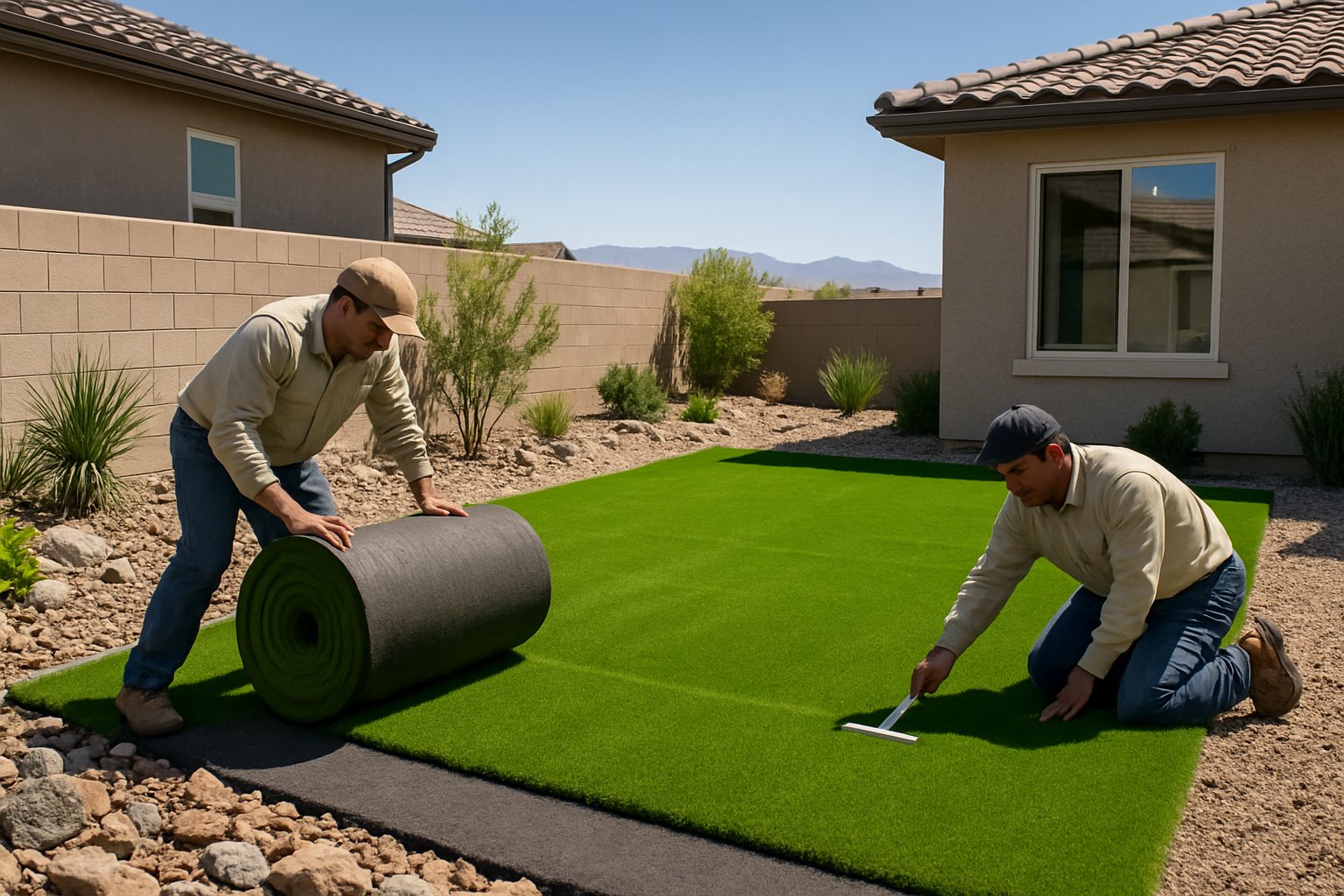
Proper material selection and professional installation determine the long-term success of artificial grass projects. Las Vegas homeowners must consider specific turf characteristics and work with experienced installers to achieve optimal water savings and durability.
Choosing the Right Turf Materials
The desert climate requires specific artificial grass features to maintain performance and appearance. Heat-resistant materials prevent excessive surface temperatures during summer months.
UV-stabilized fibers resist fading and breakdown from intense sun exposure. These materials maintain their color and structural integrity for 15-20 years in Las Vegas conditions.
Drainage systems must handle occasional heavy rainfall. Quality synthetic turf includes perforated backing that allows water to flow through at rates of 30+ inches per hour.
Infill materials affect both comfort and temperature control. Options include:
- Silica sand: Basic drainage and blade support
- Crumb rubber: Added cushioning for play areas
- Cooling infill: Reduces surface heat by 15-20 degrees
Pet owners need antimicrobial infill to control odors and bacteria. Some products include built-in odor control technology.
Understanding Pile Height and Quality
Pile height affects both appearance and functionality. Las Vegas installations typically use heights between 1.5 and 2.5 inches for optimal performance.
Short pile (1.5-2 inches) works best for high-traffic areas and pet zones. The dense, upright blades resist matting and require less maintenance.
Medium pile (2-2.5 inches) provides the most versatile option. It balances durability with natural grass appearance for most residential applications.
Fiber quality determines longevity and feel. Premium polyethylene blades offer soft texture and realistic appearance. Polypropylene provides durability for heavy-use areas.
Blade shape affects how grass looks and feels. W-shaped and diamond-shaped blades reflect light naturally and spring back after foot traffic.
Thatch layers add realistic brown coloring at the base. This feature creates depth and mimics natural grass appearance.
Professional Turf Installation Process
Proper installation requires site preparation and specialized equipment. Professional installers ensure proper drainage and long-term performance.
Site preparation begins with removing existing vegetation and debris. The area gets excavated 3-4 inches deep to accommodate base materials.
Base installation uses crushed granite or decomposed granite. This layer gets compacted and graded for proper drainage away from structures.
Turf placement requires precise measuring and cutting. Seams must align properly and face the same direction for uniform appearance.
Securing methods include galvanized nails or staples every 6-8 inches along edges. Heavy-duty adhesive tape joins seam areas.
Infill application happens after turf installation. Power brooms distribute materials evenly and help blades stand upright.
Final grooming includes brushing against the grain and checking for proper drainage. Quality installations include warranty coverage for materials and workmanship.
Maintenance and Long-Term Value of Synthetic Lawns
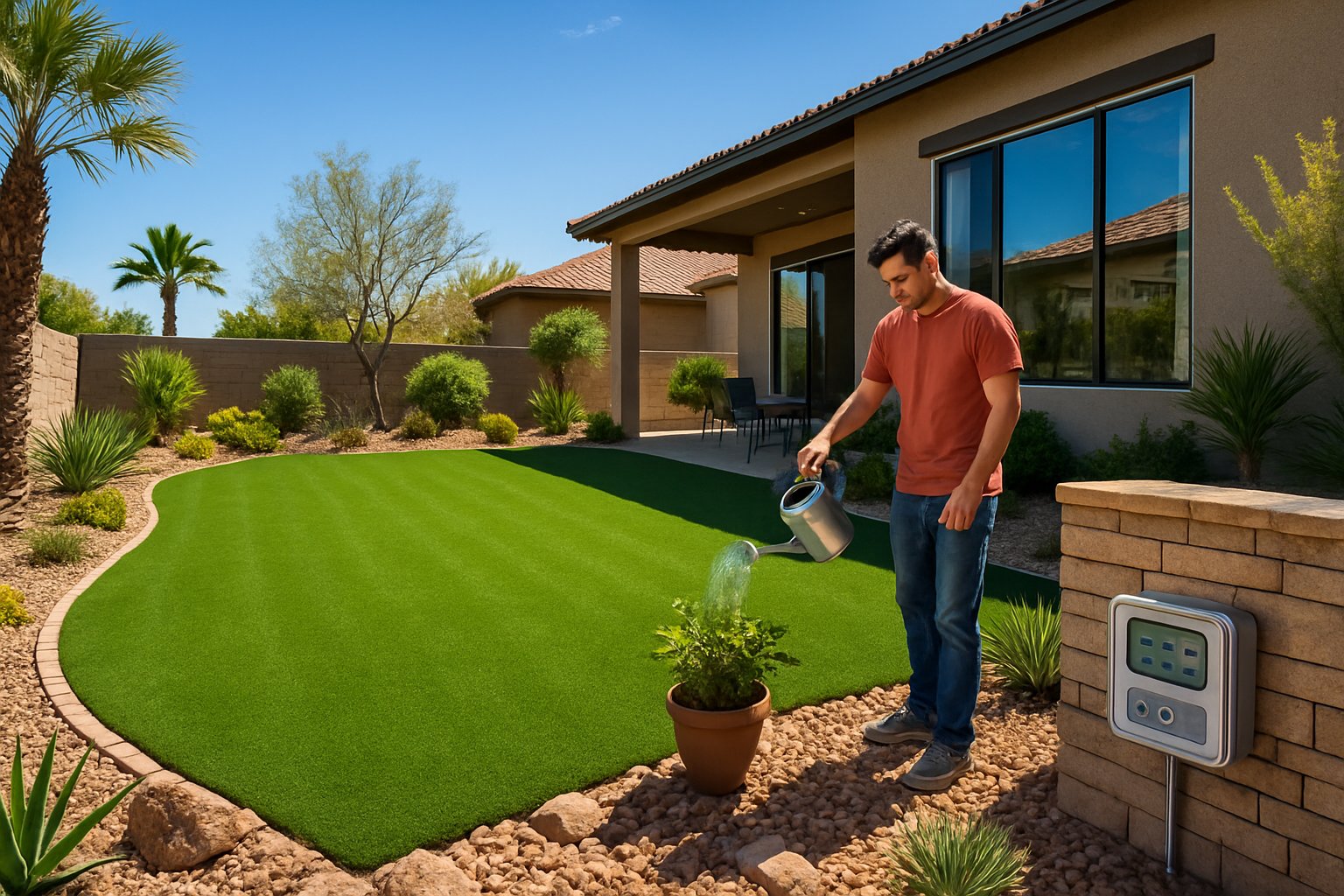
Artificial turf offers Las Vegas homeowners minimal upkeep requirements and excellent durability in harsh desert conditions. Proper drainage systems and weed barriers ensure lasting performance without the constant care natural grass demands.
Simple Upkeep and No Mowing
Homeowners can eliminate weekly mowing from their routines completely. Artificial turf requires no cutting, edging, or grass disposal. This saves hours of work each month during Las Vegas’s long growing season.
Basic maintenance involves occasional brushing to keep fibers upright. A stiff broom or plastic rake works well for this task. Most homeowners spend less than 30 minutes monthly on turf care.
Cleaning needs are minimal:
- Remove leaves and debris with a leaf blower
- Rinse with water during dusty periods
- Spot clean stains when needed
No fertilizers, pesticides, or soil treatments are necessary. This eliminates trips to garden centers and storage of lawn chemicals. Families save both time and money on lawn care products.
Pet waste requires quick removal and rinsing the area. Most synthetic turf systems handle this easily with proper drainage underneath.
Durability and Longevity in Desert Conditions
Quality artificial turf withstands Las Vegas’s extreme desert climate exceptionally well. UV-resistant fibers prevent fading and breakdown from intense sun exposure. Modern synthetic grass maintains its color for 10-15 years.
High temperatures don’t damage the turf structure. The materials resist cracking and splitting that extreme heat causes in some surfaces. Desert winds blow sand and debris across lawns without harming synthetic fibers.
Durability factors include:
- UV stabilizers in fiber construction
- Heat-resistant backing materials
- Drainage systems that prevent water damage
- Infill materials that stay stable in wind
The desert climate actually benefits artificial turf longevity. Low humidity prevents mold and mildew growth. Minimal rainfall reduces wear from heavy water exposure.
Most installations last 15-20 years with proper care. This provides excellent value compared to replanting natural grass every few years in harsh conditions.
Addressing Drainage and Weed Control
Proper drainage prevents water buildup and maintains turf performance. Las Vegas installers create base layers with gravel and sand for quick water movement. This prevents the soggy conditions that damage artificial turf.
Effective drainage systems include:
- Perforated backing in turf materials
- Crushed rock base layers
- Proper grading for water flow
- Edge restraints to maintain shape
Weed barriers installed beneath artificial turf block plant growth effectively. Heavy-duty landscape fabric creates a barrier between soil and synthetic grass. This prevents weeds from pushing through seams.
Occasional weeds may appear along edges or damaged areas. Spot treatment with herbicide handles these issues quickly. Most synthetic lawns stay completely weed-free for years.
The combination of drainage and weed control reduces long-term maintenance costs significantly. Homeowners avoid costly repairs from water damage or weed invasion that plague some installations.
Integrating Artificial Turf into Desert Landscaping
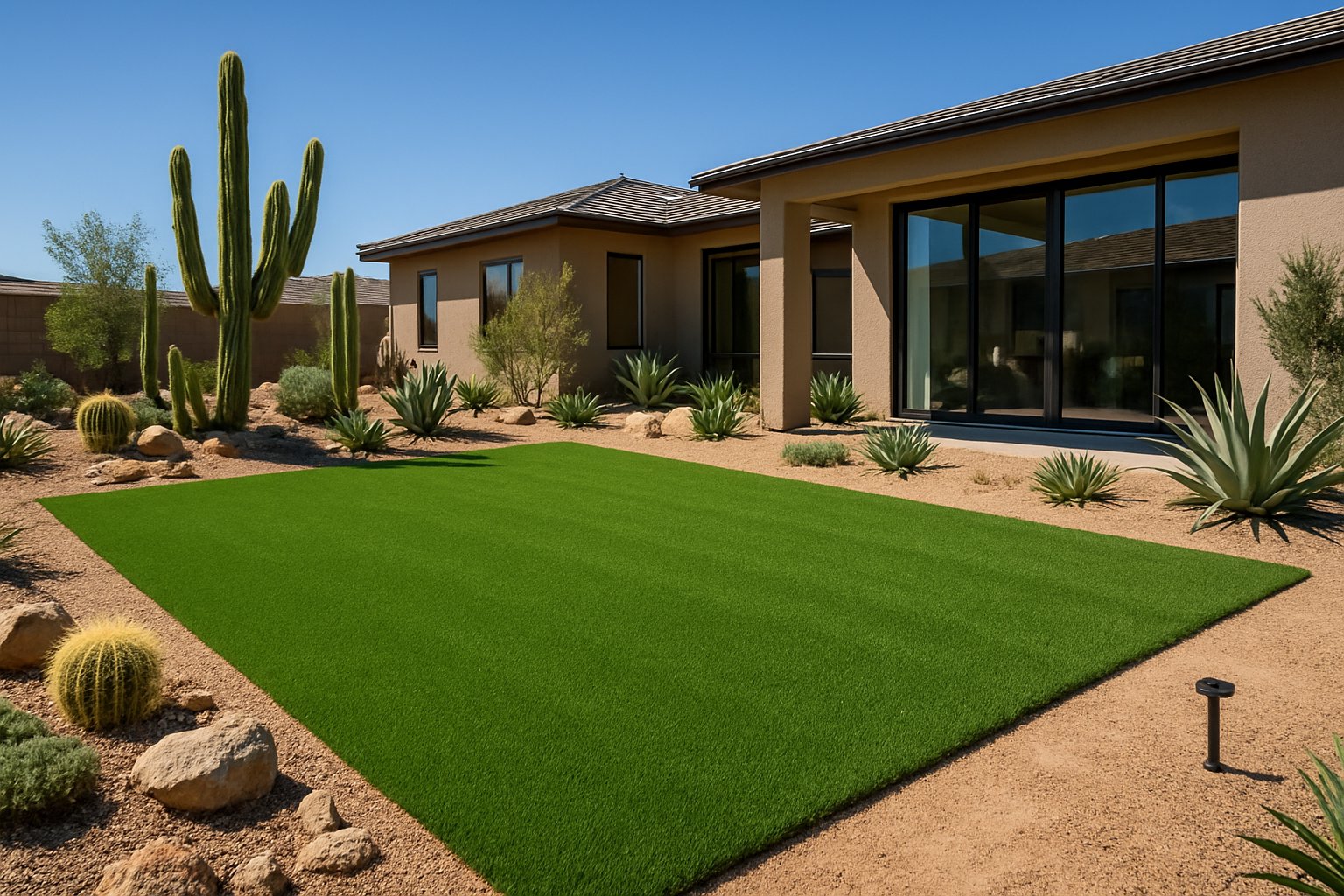
Desert landscaping with artificial turf requires thoughtful planning to balance aesthetics with water conservation. The combination of synthetic grass with hardscaping elements like pavers creates functional outdoor spaces that thrive in Las Vegas’s harsh climate.
Landscape Design Considerations
Desert landscaping design must account for extreme temperatures and minimal rainfall. Artificial turf provides green spaces without the water demands of natural grass.
Designers should select turf with UV protection to prevent fading. High-quality synthetic grass withstands temperatures above 120°F common in Las Vegas summers.
Key design elements include:
- Native plant placement around turf areas
- Rock gardens as transition zones
- Proper drainage systems
- Heat-resistant turf materials
The turf works best in smaller sections rather than large expanses. This approach mimics natural desert oases while reducing heat buildup.
Shade structures help protect both turf and users from intense desert sun. Trees and pergolas create comfortable outdoor living areas.
Combining Turf with Pavers for Efficiency
Pavers complement artificial turf by managing water runoff and reducing maintenance needs. This combination creates defined spaces while supporting water conservation efforts.
Benefits of turf and paver integration:
- Improved drainage control
- Reduced soil erosion
- Enhanced visual appeal
- Lower long-term costs
Pavers handle high-traffic areas where turf might wear down. Walkways, patios, and pool decks benefit from this durable hardscaping option.
The materials work together to create temperature zones. Pavers absorb and release heat differently than turf, creating microclimates in outdoor spaces.
Installation requires proper base preparation for both materials. Professional installers ensure proper grading and drainage between turf and paver sections.
Residential and Commercial Applications
Residential properties use artificial turf to create playable lawn areas without excessive water bills. Homeowners save thousands of gallons annually compared to natural grass maintenance.
Las Vegas offers rebates of $3 per square foot for grass removal. This incentive helps offset initial installation costs for residential projects.
Commercial properties benefit from reduced maintenance schedules. Hotels, office buildings, and shopping centers cut landscaping costs significantly.
Common applications include:
- Backyard play areas
- Front yard landscaping
- Commercial courtyards
- Pool surrounds
- Pet areas
Large commercial installations often combine turf with native desert plants. This approach creates attractive landscapes that require minimal water and maintenance.
Both residential and commercial projects must comply with local water restrictions. Artificial turf helps properties meet conservation requirements while maintaining green spaces.
Frequently Asked Questions
Las Vegas homeowners often have questions about artificial turf installation costs, water savings potential, and maintenance requirements. Understanding these factors helps residents make informed decisions about switching from natural grass to synthetic alternatives.
What are the long-term cost savings of installing artificial turf compared to natural grass in Las Vegas?
Artificial turf offers significant long-term savings despite higher upfront costs. The initial installation typically costs $8 to $15 per square foot.
Natural grass requires ongoing expenses that add up quickly. Water bills for maintaining a 1,000-square-foot lawn can cost $300 to $600 annually in Las Vegas.
Homeowners also spend money on fertilizers, pesticides, and lawn equipment. These costs range from $200 to $500 per year for basic maintenance supplies.
Artificial turf lasts 15 to 25 years with proper care. Over this period, homeowners save thousands of dollars on water, chemicals, and equipment replacement costs.
The break-even point typically occurs within 5 to 8 years. After this period, homeowners enjoy pure savings on their lawn maintenance expenses.
How does artificial turf contribute to water conservation efforts in desert climates like Las Vegas?
Natural grass lawns consume approximately 55 gallons of water per square foot annually in Las Vegas. A typical 1,000-square-foot lawn uses 55,000 gallons each year.
Artificial turf eliminates nearly all water usage for lawn maintenance. Homeowners only need occasional rinsing to remove dust and debris.
Las Vegas receives just 4 inches of rainfall annually. The city relies heavily on the Colorado River and Lake Mead for water supplies.
These water sources face severe strain from drought and overuse. Every gallon saved through artificial turf helps preserve these critical resources.
When multiple households switch to artificial turf, the cumulative water savings can reach millions of gallons citywide. This makes a meaningful impact on regional water conservation efforts.
Can homeowners in Las Vegas receive any rebates or incentives for replacing natural grass with artificial turf?
The Southern Nevada Water Authority offers rebates for removing natural grass. The current program provides $3 per square foot for grass removal projects.
Homeowners must replace the grass with desert-friendly landscaping to qualify. Artificial turf typically meets these program requirements.
The rebate applies to functional turf areas like front and back yards. Decorative grass areas may not qualify for the full rebate amount.
Applications require pre-approval before starting the removal process. Homeowners must Get My Free Quote photos and project details for review.
The program has funding limits and may have waiting periods. Residents should check current availability and requirements before planning their projects.
What maintenance is required for artificial turf and how does it compare to the upkeep of a traditional lawn in terms of time and money spent?
Artificial turf requires minimal maintenance compared to natural grass. Homeowners need to brush the fibers occasionally to maintain their upright position.
Debris removal takes just a few minutes using a leaf blower or rake. Pet waste should be cleaned promptly and the area rinsed with water.
Natural grass demands weekly mowing during growing seasons. This requires 1 to 2 hours per week plus equipment costs and fuel.
Traditional lawns need regular fertilizing, weeding, and pest control treatments. These tasks add several hours of work each month.
Artificial turf eliminates the need for watering, mowing, and chemical applications. This saves 3 to 5 hours of maintenance work per month.
Annual maintenance costs for artificial turf stay under $100. Natural grass maintenance typically costs $500 to $1,200 annually including water and supplies.
Are there any environmental concerns associated with the use of artificial turf in residential settings?
Artificial turf eliminates the need for pesticides, herbicides, and fertilizers. This reduces chemical runoff that can harm local water sources and ecosystems.
The synthetic materials do not biodegrade naturally. However, many modern artificial turf products use recycled materials in their construction.
Heat retention can be a concern in Las Vegas summers. Artificial turf surfaces may become hotter than natural grass during peak temperatures.
Some artificial turf products release minimal amounts of volatile compounds. High-quality products meet safety standards for residential use.
Proper installation includes drainage systems that prevent water pooling. This helps maintain healthy soil conditions underneath the synthetic surface.
The water conservation benefits often outweigh environmental concerns in desert climates. Reduced water usage helps preserve natural ecosystems that depend on limited water resources.
How does the performance and appearance of artificial turf compare to natural grass in the harsh Las Vegas climate?
Artificial turf maintains consistent green color year-round regardless of weather conditions. It does not brown, fade, or develop bare patches like natural grass.
Las Vegas temperatures often exceed 100 degrees during summer months. Natural grass struggles to survive these conditions even with abundant watering.
High-quality artificial turf withstands extreme heat and UV exposure. Modern products include UV stabilizers that prevent color fading and material breakdown.
The synthetic fibers remain upright and uniform in appearance. Natural grass often becomes patchy and uneven in desert conditions.
Artificial turf provides a stable surface that does not develop mud or bare spots. This makes it ideal for high-traffic areas and children’s play spaces.
The texture and feel of premium artificial turf closely resembles natural grass. Advanced manufacturing creates realistic blade shapes and natural color variations.