


Artificial turf offers many benefits, but some homeowners worry it may look fake. We’re here to show you how to make your synthetic lawn blend in seamlessly with its natural surroundings. With a few simple tricks, you can create a lush, realistic-looking yard that will fool even the most discerning eyes.

Choosing high-quality artificial turf with realistic blade shapes, colors, and textures is crucial for achieving a natural look. Today’s top synthetic grass products come in various shades and lengths, mimicking the appearance of different grass species. By selecting a turf that closely matches real grass in your area, you’ll create a more convincing illusion.
We’ll explore several techniques to enhance the natural appearance of your artificial lawn. From adding strategic landscaping elements to proper installation methods, these tips will help you create a beautiful, low-maintenance yard that looks just like the real thing. Let’s dive in and discover how to transform your outdoor space with artificial turf that truly shines.
Understanding Artificial Turf
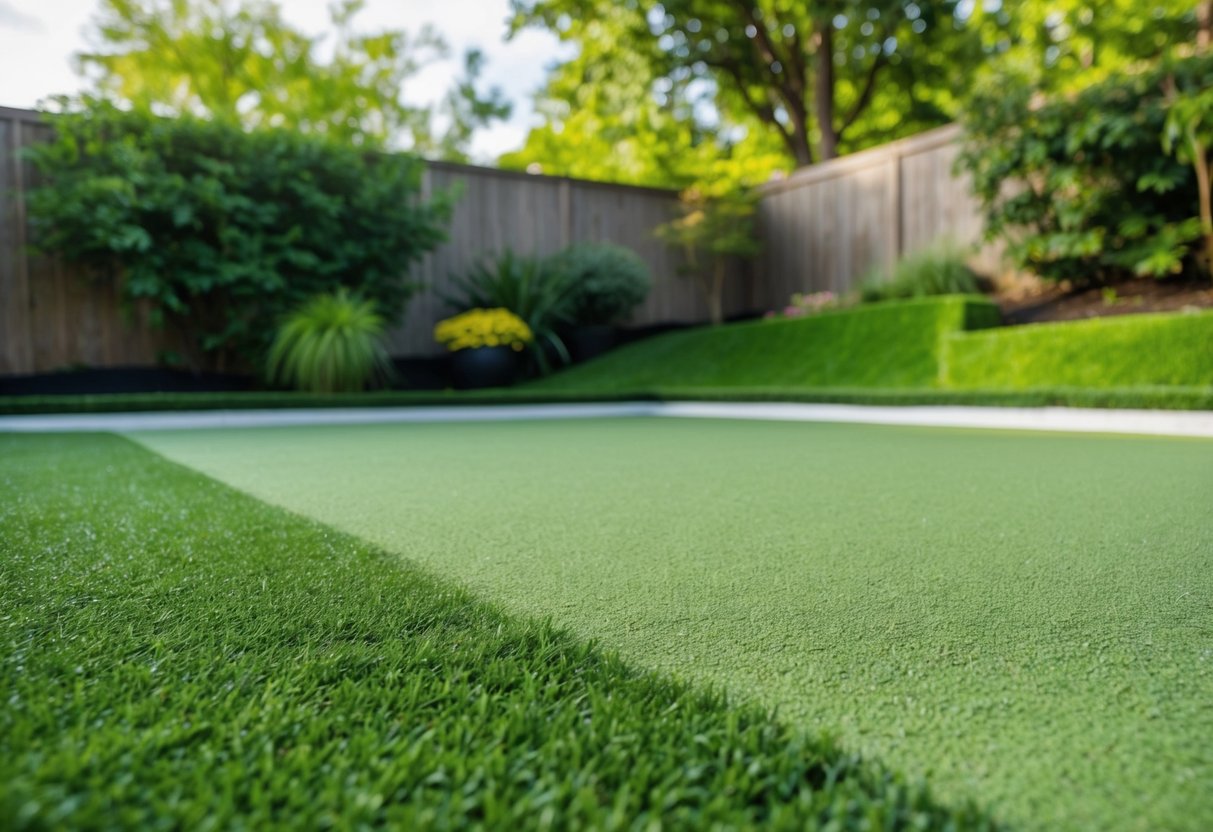
Artificial turf has come a long way in mimicking natural grass. We’ll explore the different types available and why a natural-looking option can be beneficial for your outdoor space.
Types of Artificial Turf
Artificial turf comes in several varieties to suit different needs. Two-toned turf closely matches natural grass variations. It uses green tones that fade to brown lower down.
Some options feature three or more blade lengths. This creates a textured look, making the lawn seem more lifelike.
Pile height also affects appearance. Short piles look like freshly mowed grass. Longer piles give a wilder, more natural look.
The material used can vary too. Some turfs use nylon, others polyethylene or polypropylene. Each has different qualities in terms of durability and feel underfoot.
Benefits of Natural-Looking Turf
Natural-looking artificial turf offers many advantages. It provides a consistently picturesque yard without the unpredictable growth of real grass.
Maintenance is much easier. We don’t need to mow, water, or fertilize. This saves time and money in the long run.
It stays green year-round, regardless of weather conditions. This means a beautiful lawn even during droughts or harsh winters.
Natural-looking turf can increase property value. It creates curb appeal without the ongoing care real grass needs.
For those with allergies, it eliminates grass pollen. This makes outdoor spaces more enjoyable for everyone.
Pre-Installation Planning
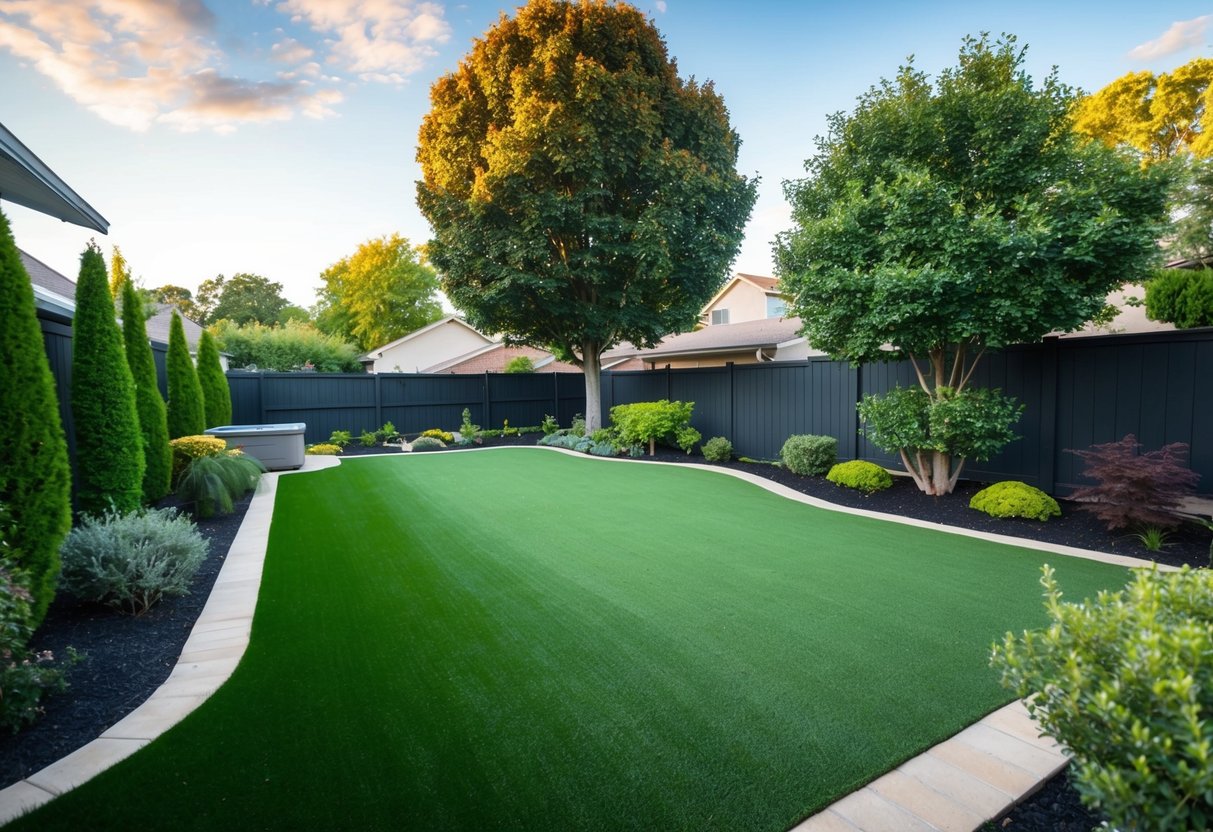
Good planning is key to a natural-looking artificial turf installation. We’ll cover how to assess your space, choose the right turf, and gather the necessary tools and materials.
Assessing Your Space
We need to carefully evaluate the area where we’ll install the artificial turf. First, measure the space accurately to determine how much turf we’ll need. Take note of any obstacles like trees, bushes, or hardscaping elements.
Next, check the soil type and drainage. Proper drainage is crucial for artificial turf installation. If our area has poor drainage, we might need to add a drainage system.
Consider the amount of sunlight the area receives. This affects the type of turf we choose and how it will look throughout the day.
Lastly, think about how we’ll use the space. Will it be for pets, children’s play, or purely aesthetic purposes? This impacts our turf selection and installation method.
Selecting the Right Turf
Choosing the right artificial turf is crucial for a natural look. We should consider factors like blade length, color, and texture.
Blade length affects the turf’s appearance and feel. Shorter blades look more manicured, while longer ones mimic a more natural lawn.
Color is key for a realistic look. We recommend two-toned turf to match natural grass variations. Look for options with green blades that fade to brown at the base.
Texture also plays a role in realism. Some turfs have a mix of straight and curved blades to mimic different grass types.
Consider the turf’s density too. A denser turf looks fuller but may be less realistic for certain grass types.
Tools and Materials Needed
To install artificial turf, we’ll need several tools and materials:
- Base materials:
- Crushed stone or gravel
- Weed barrier fabric
- Sand (for infill)
- Cutting tools:
- Utility knife
- Scissors
- Shaping and leveling tools:
- Rake
- Shovel
- Hand tamper or plate compactor
- Joining materials:
- Joining tape
- Adhesive
- Finishing tools:
- Stiff brush (for fluffing turf)
- Leaf blower (for clean-up)
Having these tools and materials ready before we start will make the installation process smoother and more efficient.
Installation Techniques

Proper installation is key to making artificial turf look natural. We’ll cover the essential steps to achieve a realistic appearance, from preparing the ground to securing the edges.
Ground Preparation
We start by removing existing grass and vegetation. Next, we level the area and add a base layer of crushed stone or gravel. This helps with drainage and creates a stable foundation.
We compact the base layer using a plate compactor. This step is crucial for a smooth, even surface.
After compaction, we add a layer of fine sand. We rake it smooth to create the perfect bed for the turf.
Proper ground preparation ensures the turf stays in place and looks smooth over time.
Turf Laying Methods
We unroll the turf and let it sit in the sun. This allows it to expand before cutting.
We lay the turf with the grain facing towards the house. This gives a more natural look.
For larger areas, we use multiple pieces. We line up the edges carefully to avoid visible seams.
We use a sharp utility knife to trim the turf around edges and obstacles.
Fluffing up the fibers after laying helps the turf look more natural and lush.
Securing the Edges
We use landscape staples or nails to secure the turf edges. We space them about 6 inches apart along the perimeter.
For a cleaner look, we can create a small trench around the edges. We tuck the turf into this trench and cover it with soil or mulch.
We make sure to spread out the turf blades around the nails before hammering them in. This helps hide the fasteners.
After securing, we brush the turf to fluff up the fibers around the edges. This creates a seamless transition to the surrounding landscape.
Post-Installation Care
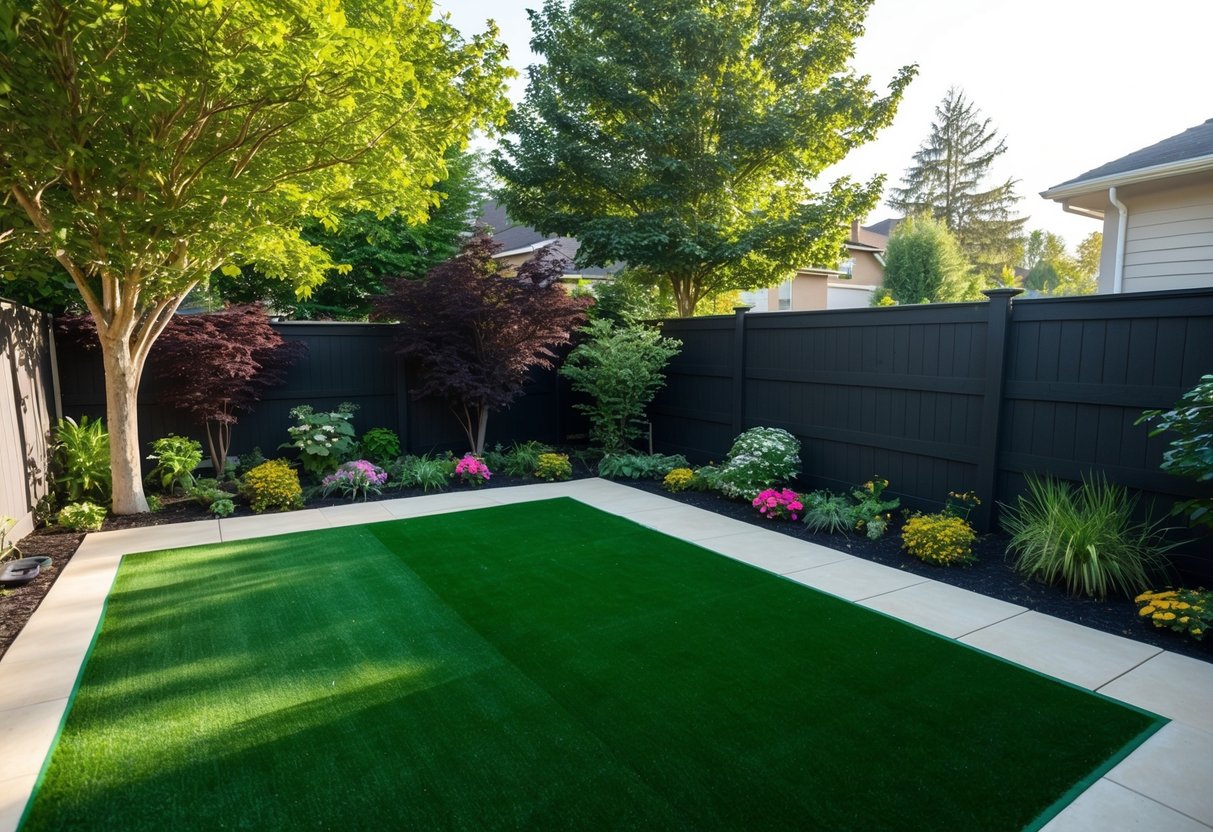
Taking care of your artificial turf after installation is key to keeping it looking natural. We’ll cover the essential steps to maintain your new lawn’s fresh appearance and extend its lifespan.
Infill Application
Infill is crucial for artificial turf’s natural look and feel. We recommend using a mix of silica sand and rubber granules. Spread the infill evenly using a drop spreader. Aim for about 2-3 pounds per square foot.
Start at one end of the lawn and work your way across. Use a stiff brush to work the infill into the turf fibers. This helps the grass blades stand upright.
Color and texture choices can make a big difference. Two-toned infill mimics natural grass variations better than single-color options.
Brushing and Grooming
Regular brushing keeps artificial grass looking fresh and natural. We suggest using a stiff-bristled broom or a power broom for larger areas. Brush against the grain to lift flattened fibers.
Fluffing up artificial grass is important after heavy use. This prevents matting and restores the turf’s natural appearance.
For best results, brush your turf at least once a week. Pay extra attention to high-traffic areas. These spots tend to flatten more quickly.
Routine Maintenance
Rinsing your turf regularly helps keep it clean and fresh. Use a garden hose to wash away dust and small debris. This is especially important during dry spells.
Remove leaves and other organic matter promptly. These can decompose and encourage weed growth. A leaf blower or rake works well for this task.
For tougher stains, use a mild soap and water solution. Blot the area gently with a cloth. Avoid harsh chemicals that could damage the turf fibers.
Enhancing Turf Aesthetics
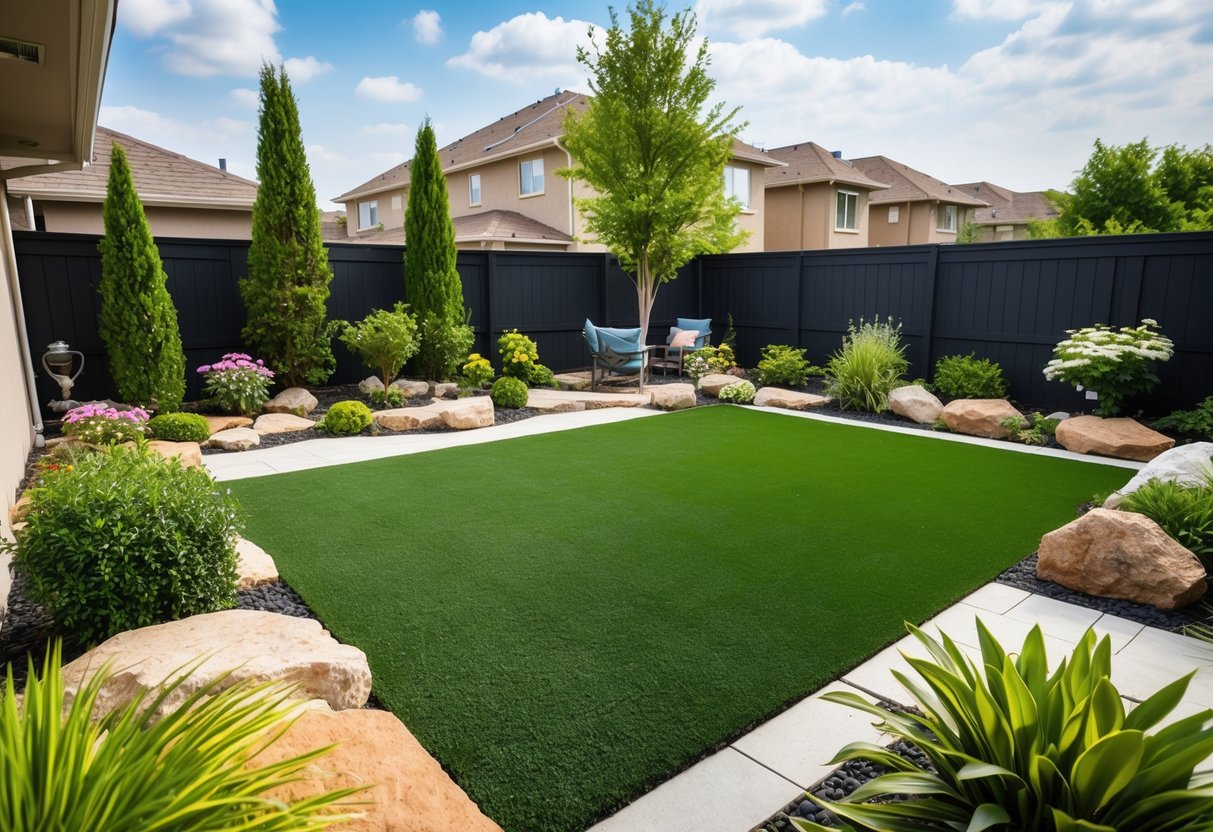
Artificial turf can look stunning with a few key enhancements. We’ll explore how to add natural elements, arrange furniture strategically, and blend the turf with its surroundings.
Adding Natural Features
Two-toned turf can make a big difference in creating a more natural look. We recommend choosing a style with green tones that fade to brown lower down. This mimics real grass variations.
Adding planters or flower beds around the edges of your turf creates visual interest. We suggest using native plants that complement the green of your artificial grass.
Stepping stones are another great addition. Place them in a winding path through your turf area. This breaks up the uniform look and adds a natural touch.
Consider installing a small water feature. A fountain or pond can bring life and movement to your artificial lawn.
Strategic Furniture Placement
Outdoor furniture can help break up large turf areas. We recommend placing a seating area or dining set on part of the turf.
Use furniture with natural materials like wood or wicker. These blend well with the artificial grass and create a cohesive look.
Add potted plants around your furniture. This brings more greenery and life to the space.
Consider an outdoor rug under your seating area. This adds texture and defines the space within the larger turf area.
Blending with Surrounding Landscape
Create sloped edging instead of straight borders. This gives the impression of naturally growing grass.
We suggest planting shrubs or small trees along the edges of your turf. This creates a smooth transition to other landscaped areas.
Use mulch or gravel in areas adjacent to your turf. This provides a natural-looking border and contrast to the green grass.
If you have trees in your turf area, create planter spaces around them. This protects the trees and adds visual interest.
Consider adding rock features or boulders. These natural elements can break up the uniformity of the turf and add depth to your landscape.
Troubleshooting Common Issues
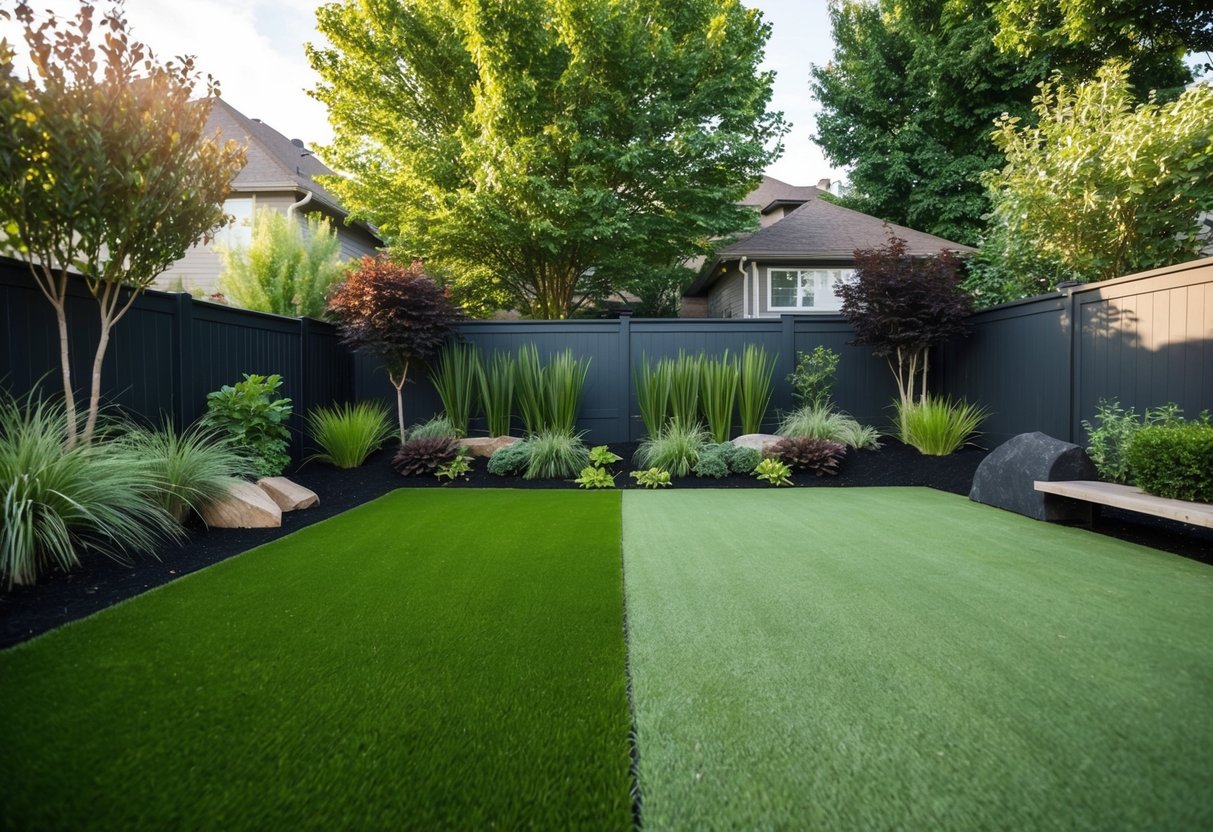
Artificial turf can face a few challenges over time. We’ll explore how to fix flattening, discoloration, and drainage problems to keep your lawn looking fresh and natural.
Flattening
Flattened grass can make artificial turf look less realistic. This issue often happens in high-traffic areas. To fix it:
- Use a stiff brush to fluff up the fibers.
- Brush against the direction of the blades.
- Sweep the grass regularly to prevent matting.
For stubborn flat spots, try using a power broom. This tool can quickly restore the turf’s upright position. We recommend doing this every few months to maintain a natural look.
Discoloration
Sun exposure and debris can cause artificial grass to lose its vibrant color. To tackle this:
- Rinse the turf weekly with a hose to remove dust and pollen.
- Clean spills promptly to prevent staining.
- Use a mild detergent for tougher stains.
Avoid harsh chemicals that can damage the turf. For faded areas, consider applying a UV protectant spray. This can help maintain color and extend the life of your artificial lawn.
Drainage Problems
Poor drainage can lead to water pooling and bacterial growth. To improve drainage:
- Check for debris blocking drainage holes.
- Ensure the base layer is properly installed.
- Add more infill if needed to improve permeability.
If water still doesn’t drain well, the problem might be with the underlying soil. We may need to install additional drainage pipes or adjust the slope of the lawn. Professional help might be necessary for severe drainage issues.
Regular maintenance can prevent most drainage problems. Rake the turf occasionally to redistribute infill and keep drainage holes clear.
Professional Tips for a Natural Look
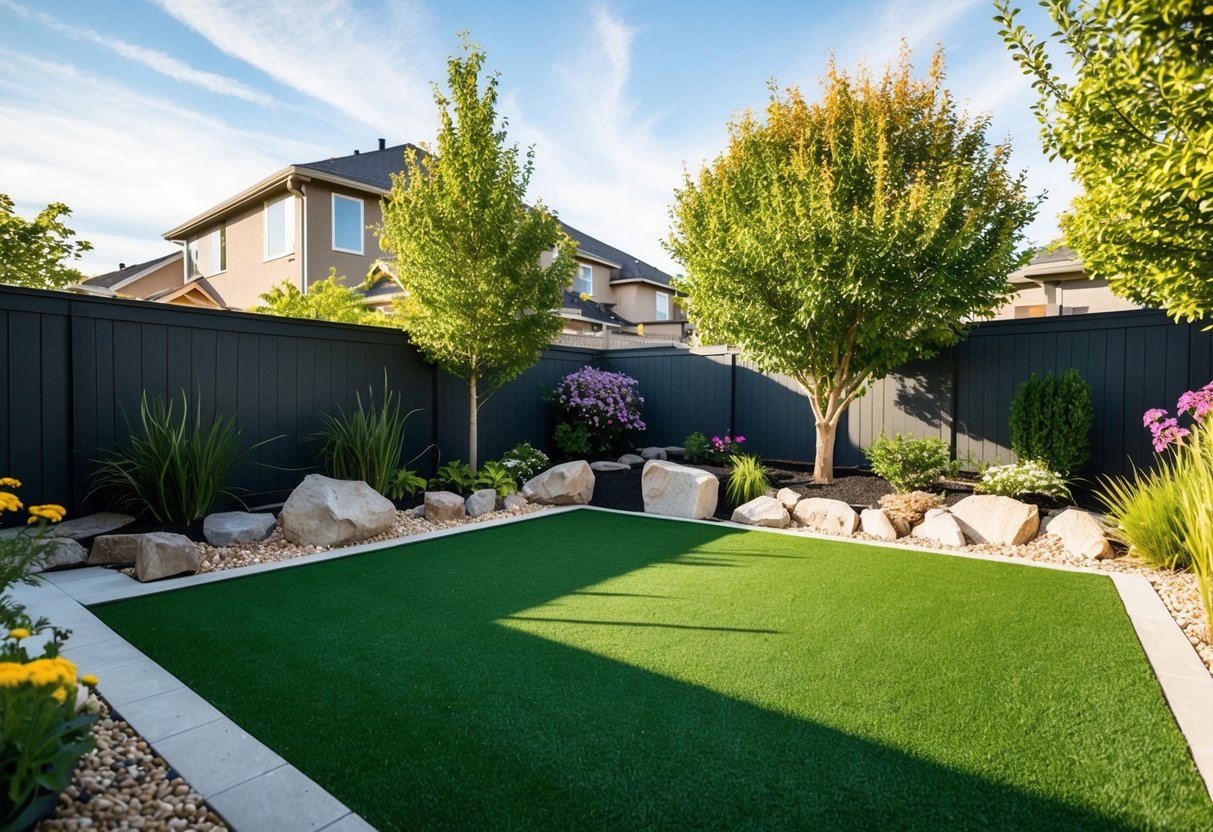
We recommend using a thatching rake to fluff up artificial grass blades. This simple tool can add volume and make your lawn appear more natural.
Regular cleaning is key. We suggest hosing down your turf to remove dust and debris. This quick rinse can restore color and keep your lawn looking fresh.
Adding potted plants around the edges of your artificial lawn can create a more natural look. We find this technique adds color and texture, blending the turf with its surroundings.
Proper installation is crucial. We advise ensuring the base is level, smooth, and well-drained. This step prevents uneven areas that can make artificial grass look fake.
Here are some quick tips to enhance the natural appearance:
- Vary the direction of grass blades during installation
- Use infill to weigh down the blades
- Choose a grass type with mixed blade colors
- Install artificial grass in a curved pattern, not straight lines
We believe these professional tips can help your artificial turf blend seamlessly with your landscape, creating a more natural and appealing outdoor space.
Sustainability Practices
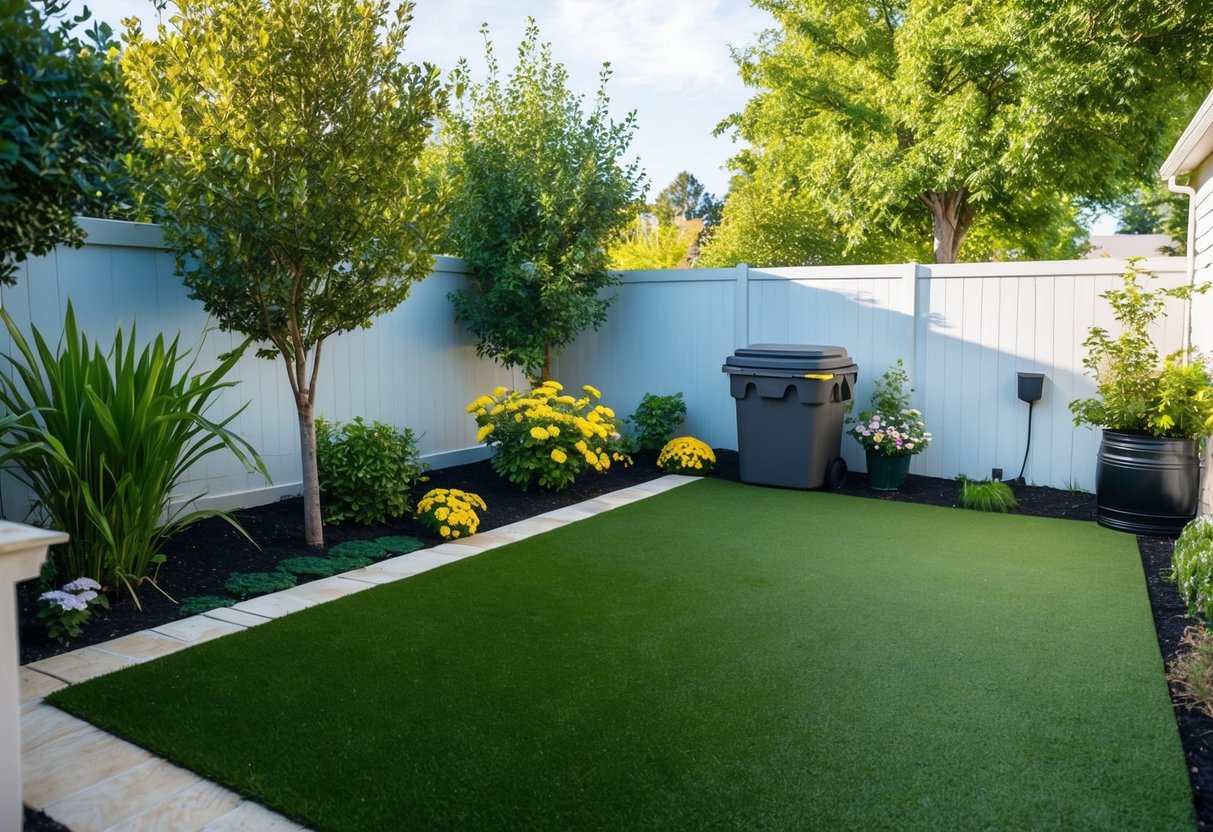
Artificial turf offers many eco-friendly benefits. We can make our synthetic lawns even more sustainable with some simple practices.
Water conservation is a key advantage of artificial grass. Unlike natural lawns, it needs no regular watering. This saves a lot of water over time.
We can use eco-friendly infill materials in our turf. Options like cork or coconut husks are natural and biodegradable. These replace traditional rubber infill.
Proper maintenance helps our turf last longer. We should brush it regularly and remove debris. This extends its lifespan and reduces the need for replacement.
When installing artificial grass, we can use recycled materials for the base layers. This gives new life to old materials and reduces waste.
Choosing high-quality turf is important. Better materials last longer and need less frequent replacement. This cuts down on long-term environmental impact.
We can also look for artificial grass made from recycled plastics. This helps reduce plastic waste in landfills and oceans.
By following these practices, we make our artificial turf more eco-friendly. It becomes a sustainable choice for beautiful, low-maintenance landscaping.
Long-Term Turf Management
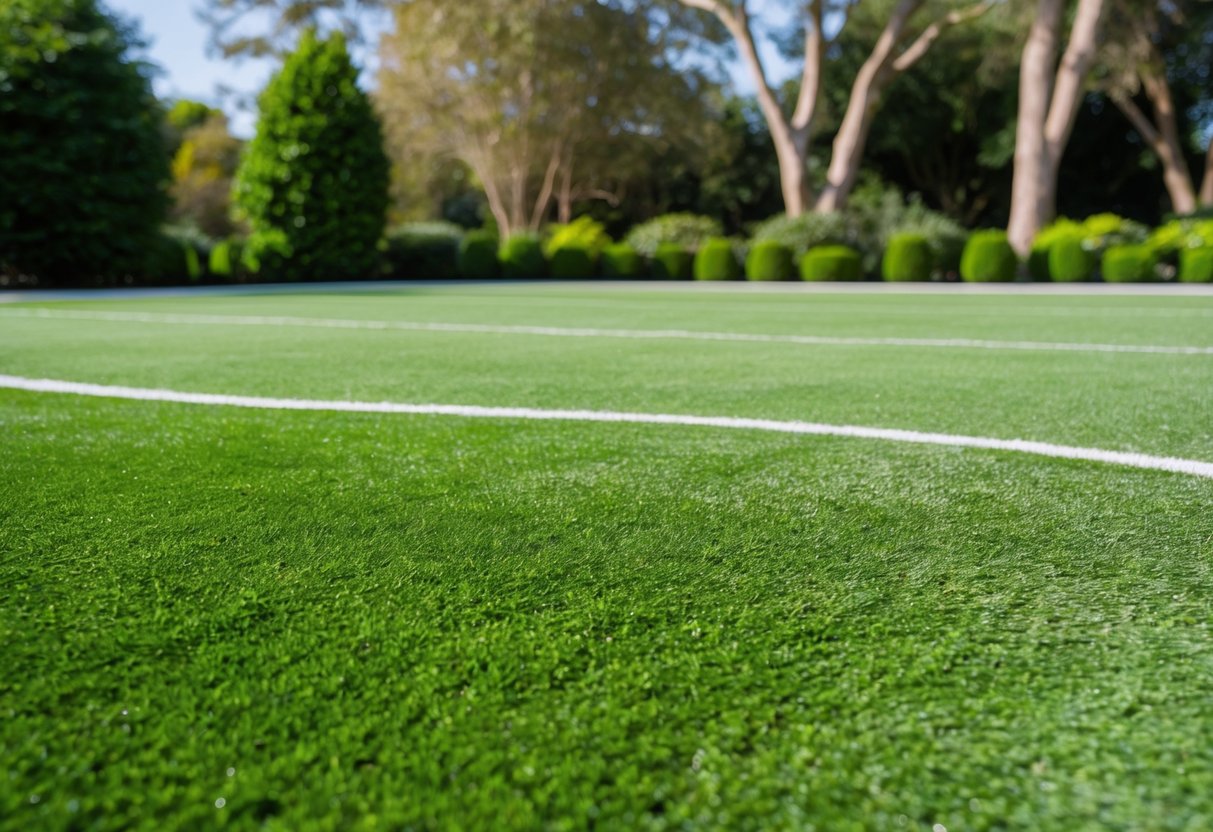
We know that keeping artificial turf looking natural over time takes some effort. Regular care is key to maintaining its appearance.
Brushing is an important task. We recommend brushing the turf fibers every few weeks to keep them upright. This prevents matting and helps the grass look more like the real thing.
Cleaning is another crucial step. Rain is great for rinsing the turf, but we may need to give it extra attention in dry spells. A light spray with a hose can remove dust and debris.
Here’s a quick checklist for long-term turf care:
- Brush fibers regularly
- Rinse with water as needed
- Remove leaves and debris promptly
- Address spills quickly
- Check for wear and tear
We find that two-toned turf often looks more natural over time. It mimics the color variations seen in real grass.
For high-traffic areas, we might need to add infill periodically. This helps the blades stand up and gives the turf a more natural bounce.
Lastly, we should inspect the turf edges yearly. Trimming any frayed parts keeps the lawn looking neat and well-maintained.