


Artificial turf can be a great choice for dog owners who want to provide their pets with a green space to play, without the hassle of maintaining real grass. It’s like having a lawn that stays green all year round, no matter the weather. The turf is made from synthetic materials that look and feel similar to natural grass, but it’s much more durable and requires little to no watering or mowing. That makes it both eco-friendly and time-saving for us.
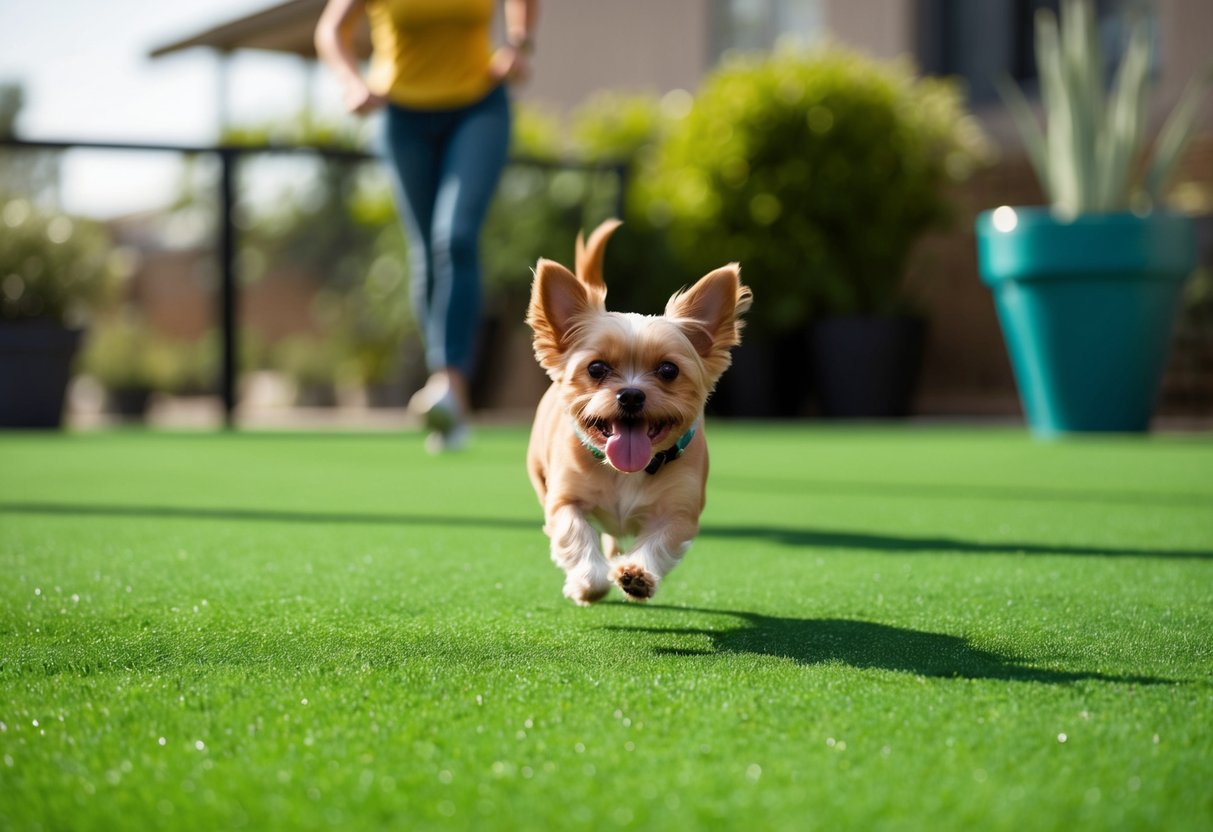
We love our dogs, and we always want to give them the best spaces to run, play, and relax. With artificial turf, we don’t have to worry about muddy paws or digging holes. It’s also really good for dogs that might be allergic to natural grass. The turf’s surface is easy to clean, which is an added bonus, especially when it comes to those inevitable bathroom breaks.
Choosing the right turf for our furry friends is important. There are different types and styles, each with their own advantages. We must consider things like the texture, density, and the ability to drain water. It’s also crucial that the artificial grass is safe and non-toxic for our pets. With a little bit of research, we can find the perfect turf to keep our dogs happy and our gardens looking great.
Benefits of Artificial Turf for Dogs
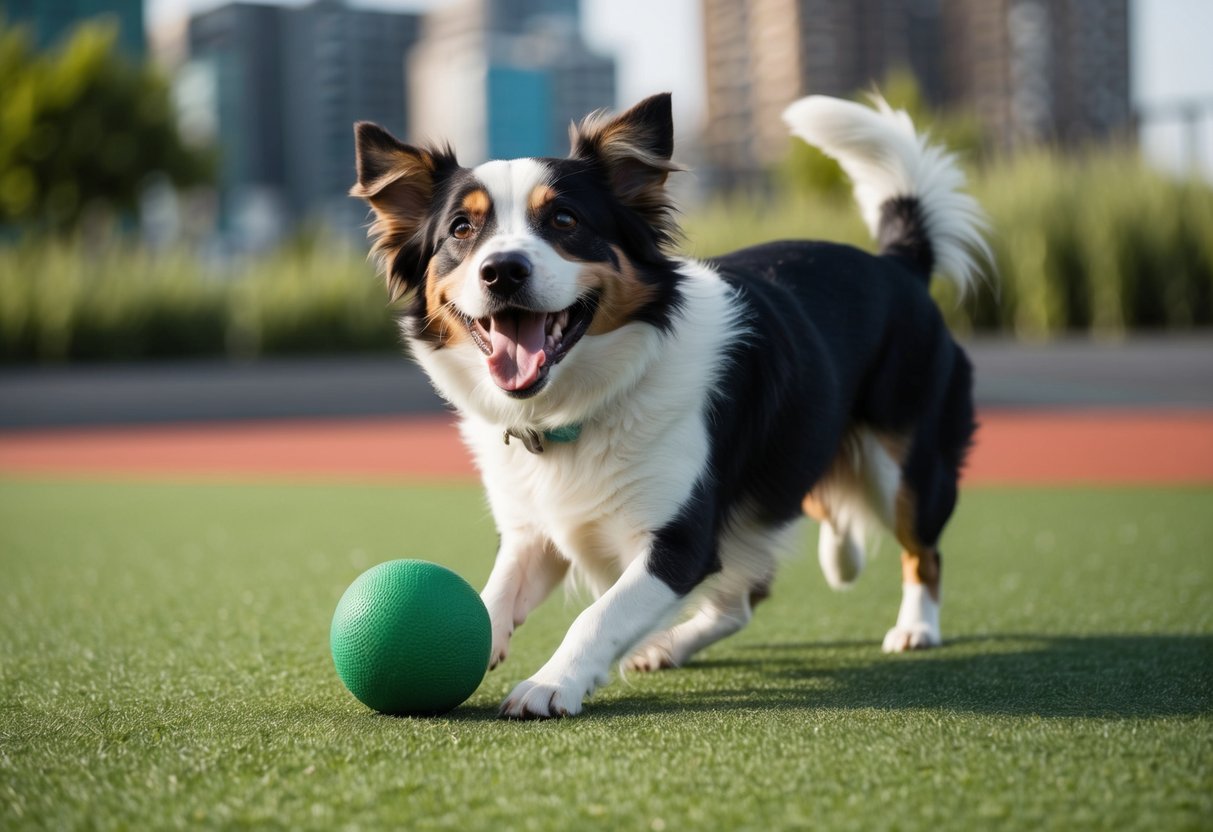
We all want the best for our furry friends, and choosing the right surface for them to play on is a big part of that. Artificial turf can be a great option.
Hygiene and Health
Artificial turf is a clean alternative to natural grass. One of the biggest advantages is its ability to resist bacteria and odors. Real grass can hold moisture and pet waste, but with artificial turf, waste doesn’t soak in. It’s easy to clean; we just need to rinse it down with water. Also, no mud means our dogs stay cleaner, too.
- Easy to Clean: Rinse with water
- No Mud: Dogs stay cleaner
- Bacteria Resistant: Less risk of bacterial growth
Durability and Maintenance
We often find that artificial turf stands the test of time better than real grass. It’s made to withstand a lot of activity without getting torn up or worn down. This means less work for us because it doesn’t need to be watered, trimmed, or fertilized. It stays green all year round, no matter the weather.
- Stays Green: No watering needed
- Long-Lasting: Resists heavy use
- Low Upkeep: No mowing or fertilizers
Comfort and Safety
We care about our dogs’ comfort and safety. Artificial turf feels soft and is gentle on paws. It’s also made to be slip-resistant, which means fewer falls and injuries during playtime. Plus, it doesn’t have pesticides or fertilizers that could be harmful to our pets.
- Soft on Paws: Comfortable to walk on
- Slip-Resistant: Safer playtime
- Chemical-Free: No harmful pesticides
Types of Artificial Turf for Canine Use
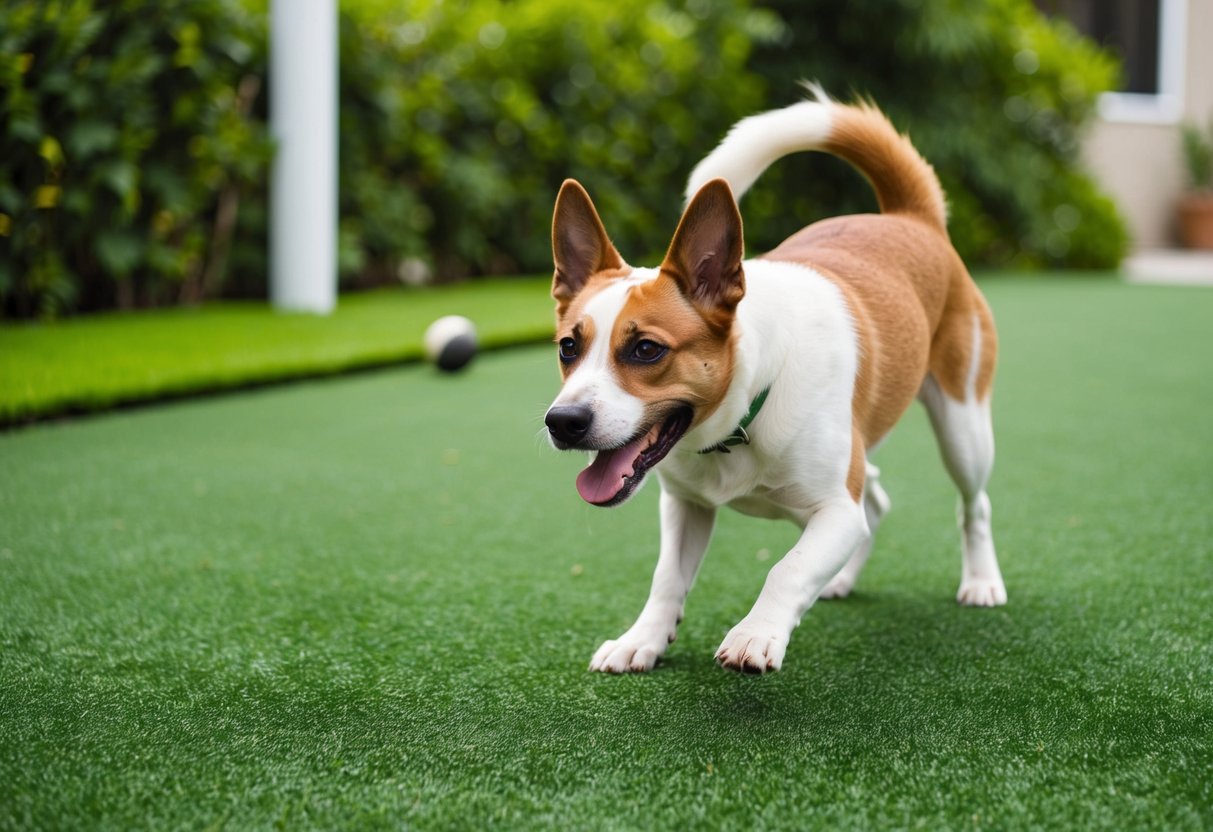
We’re exploring different kinds of fake grass designed for our furry friends, focusing on what’s inside the turf, the look and feel, and what it’s made of.
Infill vs. Non-Infill Options
Infill artificial turf usually has little pieces of material like rubber or sand that are spread between the grass blades. This infill helps keep the blades standing up, gives a soft feeling underpaw, and can help with drainage.
- Pros:
- Better stability for grass blades
- Enhanced drainage
- More realistic feel
- Cons:
- Can hold odors
- Might need more maintenance
In contrast, non-infill turf doesn’t have these extra materials. It’s designed to stand up on its own and might have a layer on the back to let water through.
- Pros:
- Less maintenance
- No infill particles to worry about
- Cons:
- Can be less realistic in feel
- Possibly less durable
Grass Blade Length and Density
Grass blade length matters because it affects how the turf feels and how much use it can handle. Shorter blades might be easier to keep clean, but longer blades can feel softer and more like natural grass.
- Short blades (under 1 inch): Easier cleaning, good for high-traffic areas
- Long blades (over 1.5 inches): More natural feel, might need more care
Density, or how close the blades are to each other, also changes how the turf feels and lasts. Dense turf feels plush but can cost more.
- High Density: Feels more luxurious, better cushioning
- Low Density: Less costly, might not last as long
Material Varieties
Artificial turf can be made from different materials, each with its own perks and downsides. Here are a couple we often see:
- Polyethylene: Soft and natural-looking, often used for landscapes. It’s safe for pets and can resist the sun’s harsh rays.
- Nylon: Super tough and can handle lots of foot (and paw) traffic, but it might not be as soft as other options.
Each material suits different needs, so it’s important to decide which features matter most for our dogs and our living spaces.
Installation Process
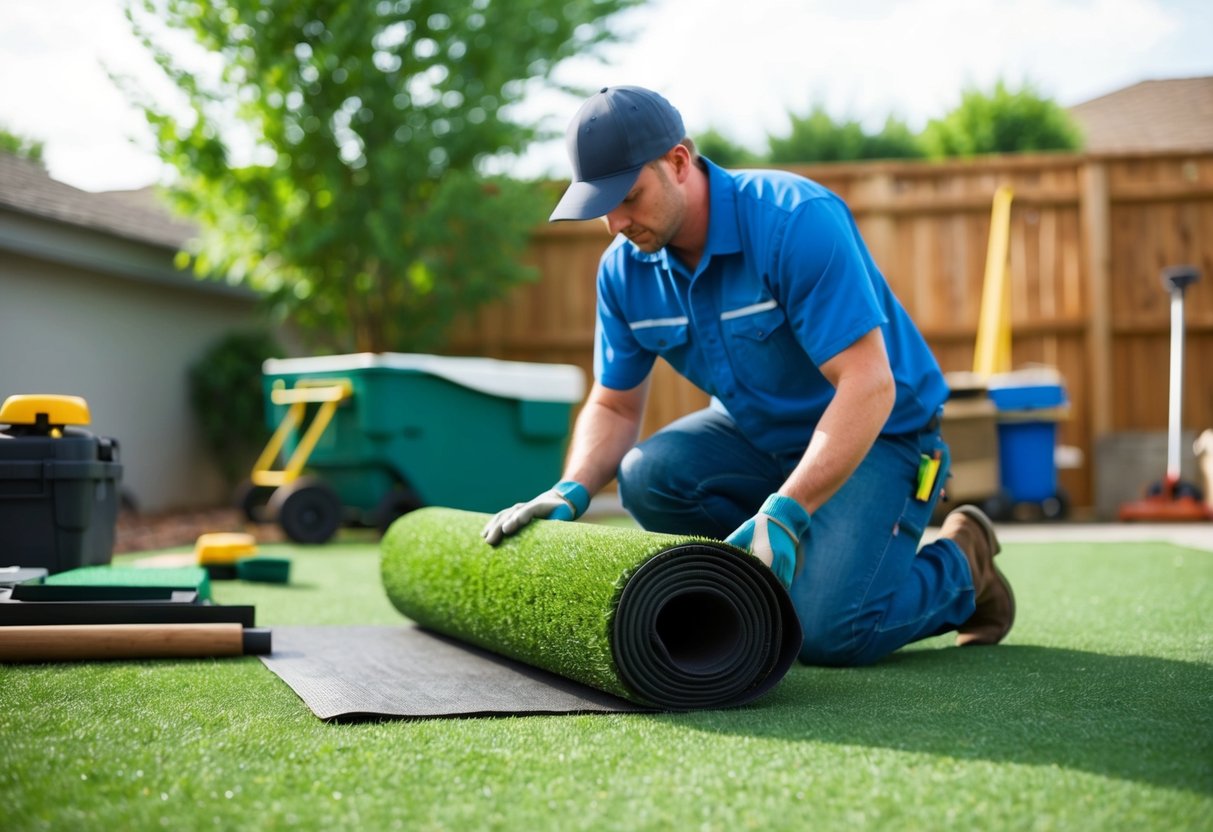
We’re going to guide you through laying down artificial turf for your dogs, making sure we cover the ground preparation, drainage, and how to lay and secure the turf properly.
Preparation of the Area
First, we need to clear the space where the turf will go. Here’s what we do:
- Remove existing grass: Dig up any grass and plants.
- Level the ground: We make sure it’s even and flat.
- Clean debris: Pick up rocks, sticks, and anything else that’s in the way.
Preparation of drainage
Now let’s ensure water can drain well to prevent puddles on the turf:
- Add a base layer: Gravel works well for drainage.
- Compact the base: We use a compactor to press down the gravel, making it solid.
Laying the Turf
It’s time to lay down the turf:
- Roll out the turf: We place it over the area, flattening it out.
- Trim edges: We cut excess turf with a knife for an exact fit.
Seaming and Securing
The last steps ensure everything stays together and in place:
- Seaming: We connect any pieces of turf at their edges.
- Securing: We nail down the turf edges and any seams to keep them fixed.
Maintenance and Upkeep

We know that keeping artificial turf clean, fixing any damage, and doing regular checks are all important for a happy and healthy space for our dogs.
Cleaning and Sanitizing
To keep our artificial turf fresh, regular cleaning is essential. We can start by weekly brushing to remove loose dirt and debris. Here’s a quick guide:
- Light cleaning: Use a hose to rinse the turf weekly.
- Stain removal: Gently clean spills with soapy water and a soft cloth.
- Deeper clean: Monthly, apply a turf cleaner to disinfect and eliminate odors.
- Pet waste: Remove solid waste, then hose down the area. Apply enzyme cleaner if needed to clear any remaining waste and odors.
Damage Repair
Sometimes, our turf might get a tear or come loose. Here’s what we can do:
- Small tears: Cut out a patch of turf and glue it over the damaged area.
- Larger issues: If the damage is significant, it might require professional help to replace an entire section.
| For Minor Repairs | For Major Repairs |
|---|---|
| Patch up small tears | Call in a pro for help |
| Use turf glue or tape | They’ll replace sections |
Regular Inspection
By checking our turf often, we can spot small issues before they become big problems. Here’s a straightforward checklist for our routine inspections:
- Edges and seams: Ensure they’re secured down and have not frayed.
- Flatness: Look for any uneven surfaces which could need infill.
- Signs of wear: High traffic spots might need more attention.
If we find anything concerning during our inspections, we should take care of it as soon as possible to keep the turf in top shape!
Considerations When Choosing Turf for Dogs
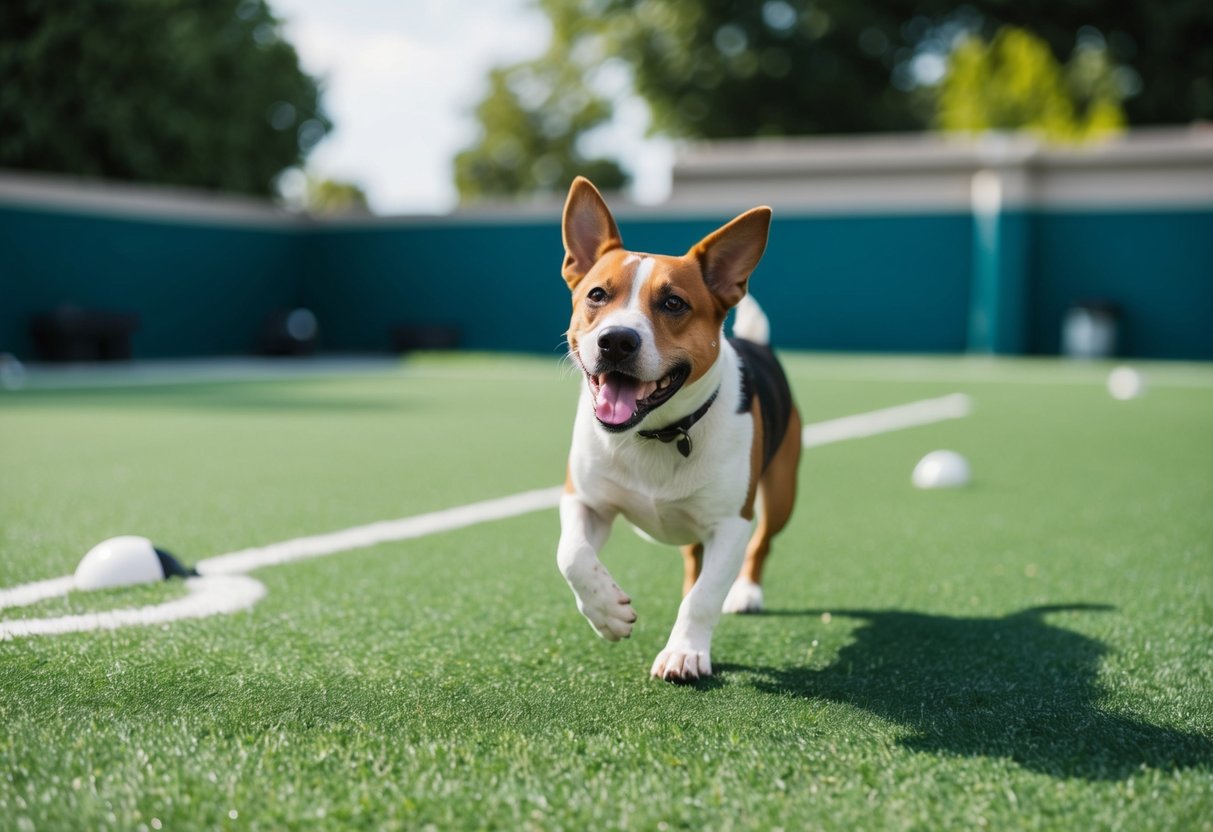
When we look for the perfect turf for our furry friends, we focus on how it handles dog urine, heat, and smells.
Urine Resistance
- Materials: Choose synthetic grass made from high-quality, non-absorbent materials. Nylon or polyethylene are good options as they don’t soak up liquids.
- Drainage: A turf with excellent drainage can handle urine better, keeping the area dry and clean.
Heat Retention
- Color: Opt for lighter shades of green which can reflect sunlight and reduce heat.
- Infill: Selecting the right type of infill, such as a cooling infill, can help keep the turf temperature down.
Odor Control
- Antimicrobial Layers: Look for turf that includes antimicrobial additives. They prevent bacteria growth which can cause bad smells.
- Easy to Clean: Turf that’s easy to rinse off will help us get rid of odors quickly.
Environmental Impact and Sustainability
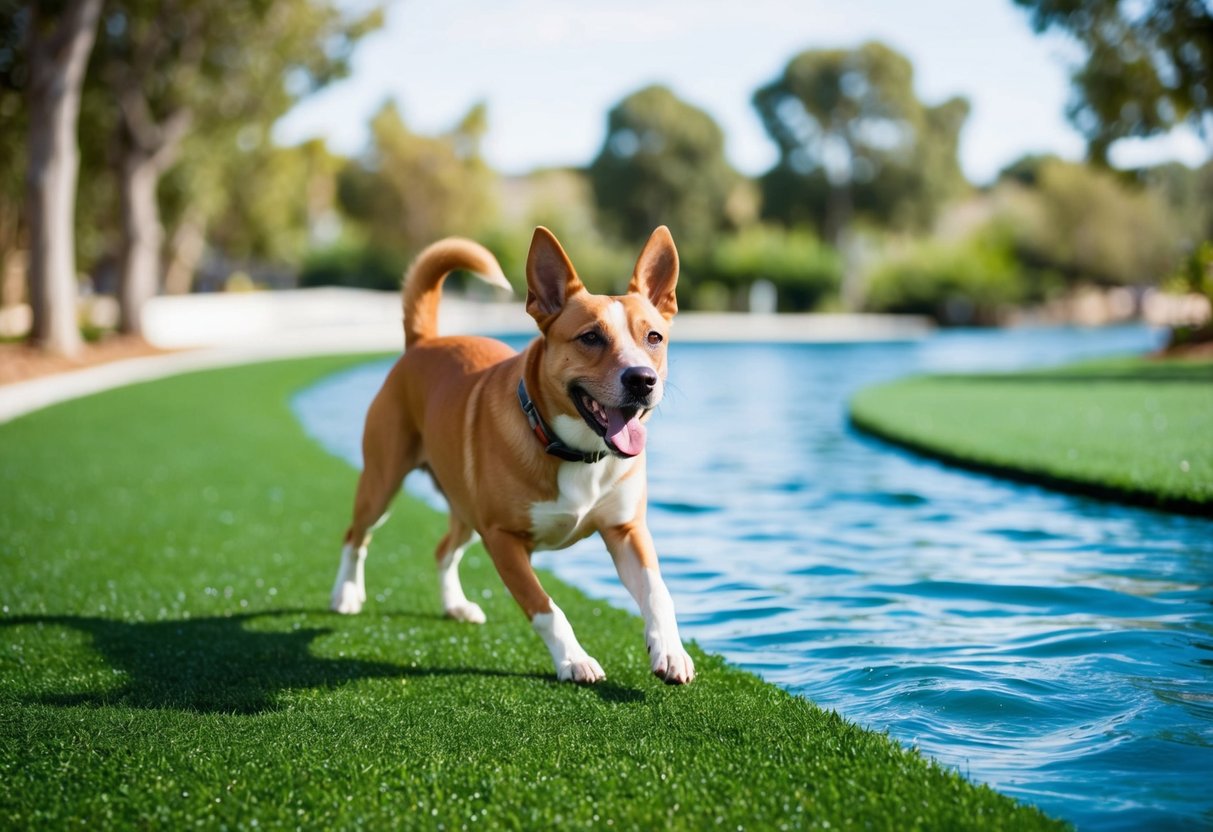
When we talk about artificial turf for dogs, it’s important to look at the environment and ask, how green is this green turf? Artificial turf doesn’t need watering, which saves a lot of water. This is particularly good in dry areas where water can be scarce.
But let’s not forget, artificial turf is made from plastic materials like polyethylene or polypropylene. These materials come from non-renewable sources and their production creates emissions. When the turf gets old, it’s not always easy to recycle it, and it may end up in a landfill.
We must also consider the infill : the tiny bits that keep the blades of grass standing up. These are often made from crumb rubber from recycled tires. It’s good that we’re reusing old tires, but there are some concerns about chemicals leaching into the environment.
It’s not all challenging, though. Artificial turf can last a long time, which means we replace it less often. Plus, companies are working on more eco-friendly options, like infill made from natural materials or fully recyclable turf.
- Saves water
- Made from plastic
- Hard to recycle
- Infill might have chemicals
- Long-lasting
- Eco-friendly options developing
We’re always looking for better ways to make our choices more sustainable. And in the world of artificial turf for dogs, we’re making strides, but there’s still more progress to be made for the sake of our planet.
Cost Analysis and Budgeting
When we look into installing artificial turf for our dogs, we must create a budget plan. This will help us manage our money properly and make sure we’re not overspending. Let’s break down the costs we’ll encounter:
- Initial Costs: Buying the turf itself is the first big expense. Prices range from $2 to $8 per square foot, depending on the quality and brand. For an average-sized backyard of 500 square feet, this means $1,000 to $4,000 for the turf alone.
- Installation Costs: If we hire professionals, installation can cost between $5 to $20 per square foot including labor and materials. That brings the total cost to $2,500 to $10,000 for our example yard. Doing it ourselves can reduce this cost significantly.
- Maintenance Expenses: Fortunately, artificial turf is low maintenance. We should budget for occasional cleaning supplies or professional cleaning services. This may cost us around $50 to $300 annually.
To help us manage our finances, we can consider the following tips:
- Measure accurately: We need to measure our space to know exactly how much turf we’ll need.
- Compare prices: Shopping around can help us find the best deal on materials and installation.
- Do-It-Yourself: If we’re handy, installing the turf ourselves can save a lot of money.
- Maintenance tools: Investing in our tools for upkeep can cut down on long-term costs.
By staying on top of our expenses and planning carefully, we can enjoy a beautiful, dog-friendly turf area without breaking the bank.
Examples of Artificial Turf Dog Areas
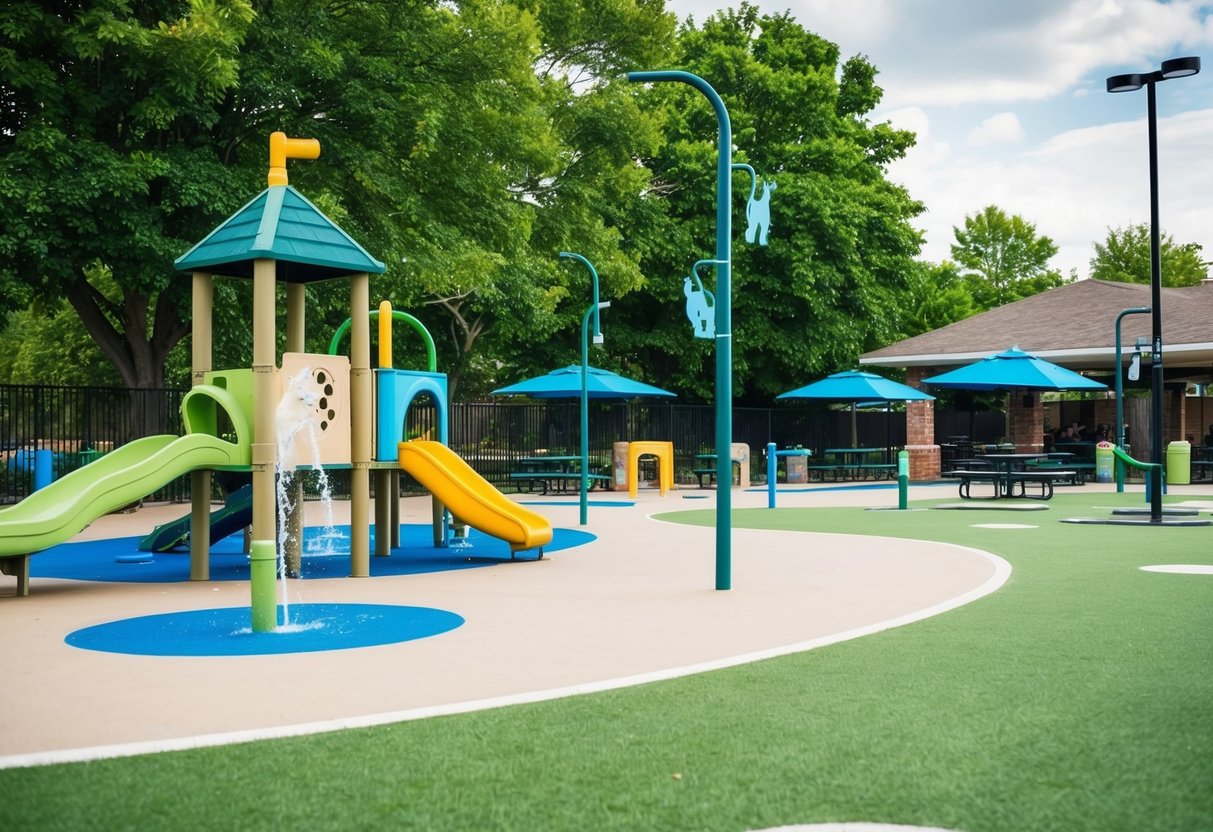
We see artificial turf being used in various places where dogs play and relax. It’s both practical and clean, making it a favorite choice for pet owners and community planners alike.
Residential Applications
In our homes, we find artificial turf in backyards and dog runs. It’s a great fit because it’s low maintenance and can handle all the running and playing our four-legged friends enjoy. Here’s what we might find in a residential setting:
- Backyards: Homes with limited natural grass are transforming their spaces with artificial turf, giving their dogs a year-round green space.
- Benefits: No mud and it’s easy to clean
- Maintenance: Just rinse with water to keep it fresh
- Dog Runs: Smaller sections of yards or special areas designed just for dogs to exercise.
- Design: Often lined with a border to define the area
- Features: May include obstacles or toys for play
Commercial and Community Spaces
Our communities also recognize the advantages of artificial turf in spaces shared by many dogs. Here’s how it’s applied:
- Dog Parks: Public areas for dogs to interact are choosing artificial turf for durability.
- Advantages: Withstands high traffic and is gentle on paws
- Facilities: Often includes benches and water fountains for dogs
- Kennels and Shelters: These facilities use artificial turf to create inviting and manageable areas for dogs awaiting adoption.
- Hygiene: Easy to clean and disinfect
- Appearance: Stays green and welcoming all year round
- Pet-Friendly Businesses: Some businesses with outdoor areas for dogs use turf to appeal to pet owners.
- Locations: Common at pet stores, cafes, and even some offices
- Bonus: Turf can help businesses stand out as pet-friendly
In each of these settings, artificial turf helps us create spaces that are enjoyable for dogs and convenient for us to maintain.