


Wondering what makes artificial grass look and feel so realistic? Today’s synthetic turf is crafted from a blend of materials that mimic natural grass while offering superior durability. Most artificial grass is made from either polyethylene, polypropylene, or nylon fibers, with polyethylene being the most popular choice for residential lawns due to its soft feel and natural appearance.
We’ve found that the composition of artificial grass has evolved significantly over the years. Modern synthetic turf features multiple layers, including a backing material, infill, and those realistic-looking grass blades. The artificial grass fibers are designed to withstand various weather conditions while maintaining their color and shape.
For DIY enthusiasts, knowing about these materials helps when selecting the right type for your project. The market offers numerous options ranging from budget-friendly synthetic grass to premium products that closely resemble natural turf. Whether you’re covering a small patio area or installing a full lawn, understanding these materials will ensure you make the best choice for your needs.
Understanding Artificial Grass and Turf
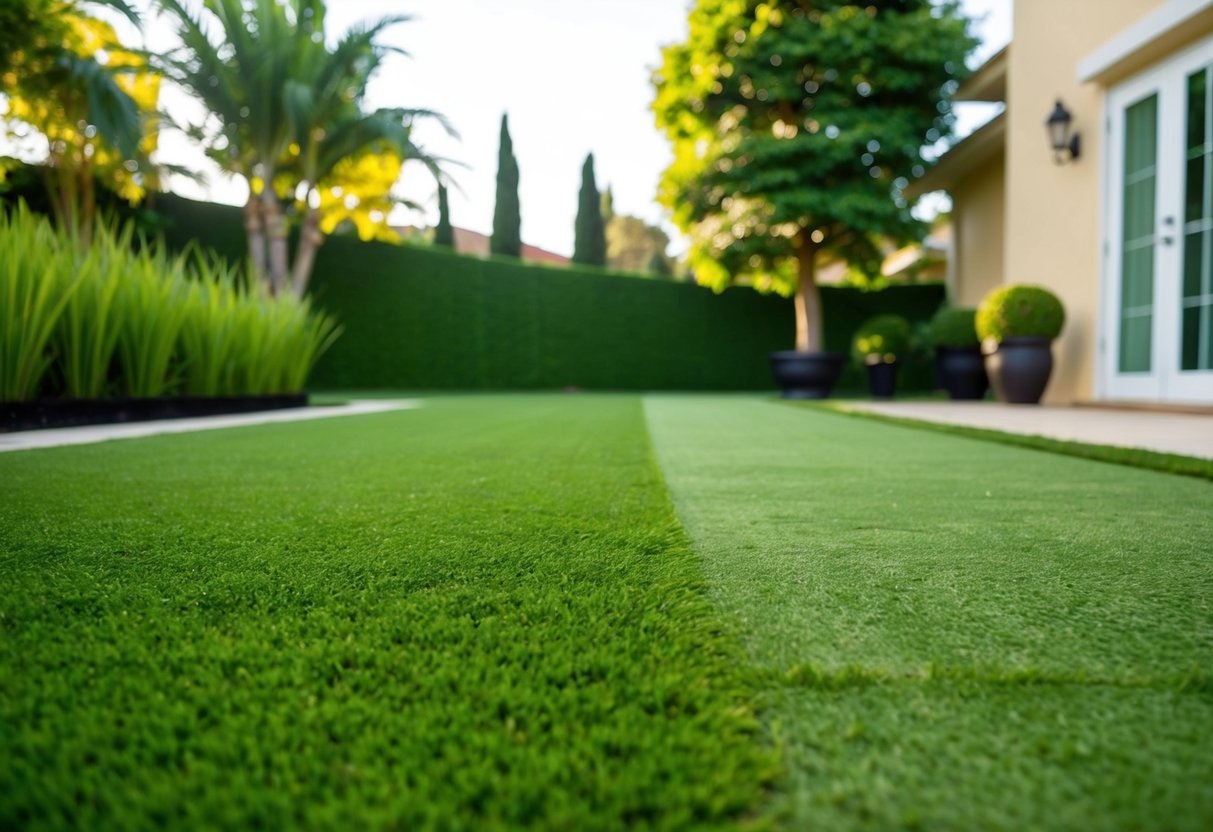
Artificial grass and turf have evolved significantly over the decades, offering various options for sports fields, landscaping, and recreational areas. These synthetic surfaces are engineered to mimic natural grass while providing enhanced durability and reduced maintenance.
History and Development
Artificial turf first gained popularity in the 1960s when it was installed at the Houston Astrodome, earning the nickname “AstroTurf.” This first-generation synthetic grass was essentially a short-pile carpet with minimal padding, primarily designed for sports applications.
The 1970s and 1980s brought second-generation turf with longer fibers and sand infill, improving playability but still causing friction burns on players.
By the 1990s, third-generation artificial grass emerged with significant improvements. These systems featured longer fibers, rubber infill, and superior backing materials that better mimicked natural grass.
Today’s fourth-generation products offer remarkable realism with varied blade colors, thatch layers, and advanced cooling technologies that address heat retention issues from earlier versions.
Types of Artificial Grass
Nylon artificial grass offers exceptional durability and heat resistance, making it ideal for high-traffic areas. However, it tends to be more abrasive and expensive than other options.
Polyethylene grass provides the most realistic appearance and feel. It’s softer than nylon and has become the standard choice for landscaping applications. This material offers a good balance between durability and comfort.
Polypropylene grass is the most affordable option but has lower durability. It works well in light-use indoor areas or as putting greens.
Specialized types include:
- Sports turf (designed for specific playing characteristics)
- Pet-friendly turf (with enhanced drainage and antimicrobial properties)
- Playground turf (with additional padding for safety)
Components of Artificial Turf
Modern artificial turf consists of three primary elements working together to create a functional system. The grass blades (fibers) are made from synthetic materials like polyethylene, nylon, or polypropylene. These fibers are tufted through a backing material in various lengths, colors, and textures to mimic different grass species.
The backing structure typically features two layers: a primary backing that holds the fibers in place and a secondary backing (usually polyurethane or latex) that provides stability and drainage. Quality backing is essential for turf longevity.
Infill materials sit between the grass blades to provide support, ballast, and cushioning. Common infill options include:
- Crumb rubber (recycled tires)
- Silica sand
- Cork granules
- Coconut husks
- Coated sand products
The base preparation (usually crushed stone) beneath the turf ensures proper drainage and surface stability.
Materials Used in Artificial Grass
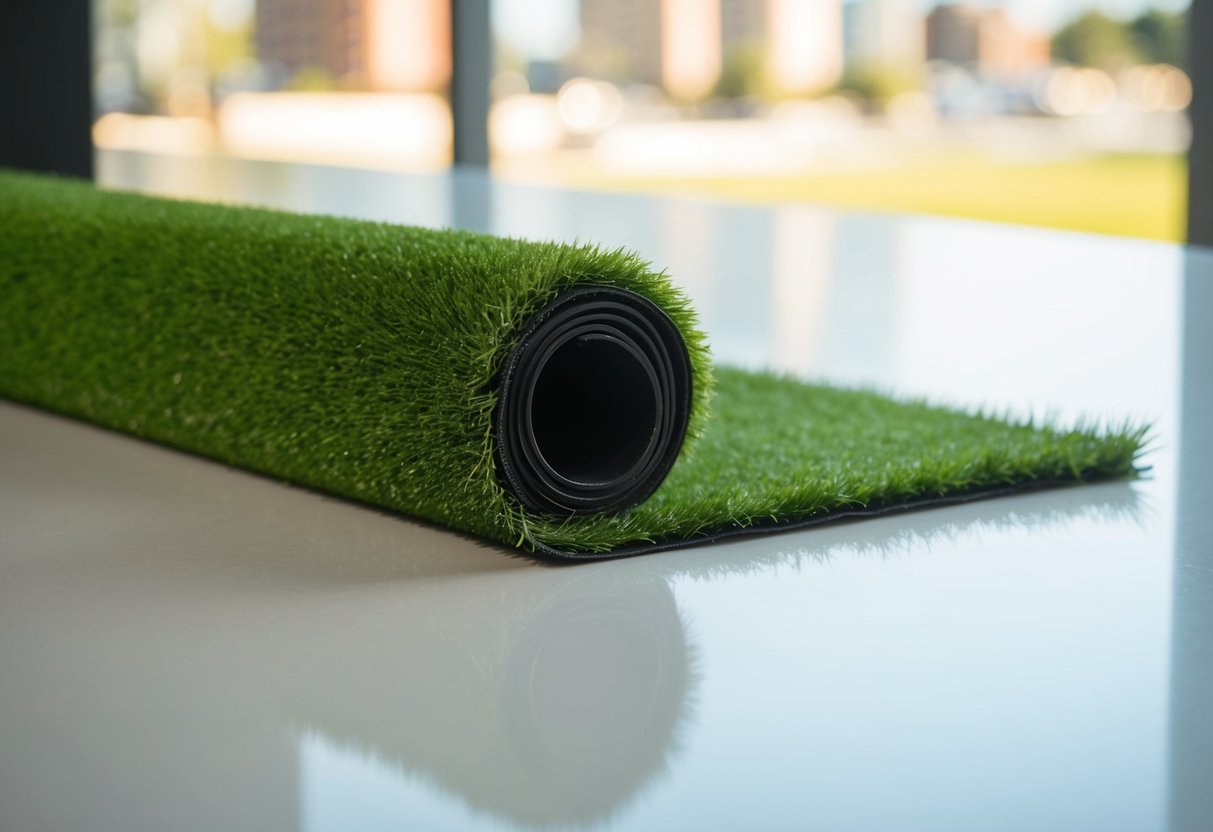
Artificial grass is made from several key components that work together to create a durable, realistic-looking lawn alternative. Each material serves a specific purpose in the overall performance and appearance of synthetic turf.
Synthetic Fibers
The blades of artificial grass are typically made from one of three main materials: polyethylene, polypropylene, or nylon. Each has distinct characteristics that affect performance and cost.
Polyethylene fibers are the most common choice for residential applications. They offer a soft, natural feel and good UV resistance. These fibers strike a balance between durability and comfort underfoot.
Polypropylene is the most affordable option but less durable than the alternatives. We recommend it for areas with light foot traffic or decorative purposes.
Nylon fibers provide superior strength and resilience. They can withstand heavy use and maintain their shape even in high-traffic areas. However, they tend to be stiffer and more expensive than other options.
The quality of artificial grass can also depend on the polymer grade used. Standard products use C4 polymers, while premium options use C8, which provides greater strength and longevity.
Backing Materials
The backing system is crucial for artificial turf’s stability and drainage capabilities. Most artificial grass uses a multi-layer backing structure.
The primary backing is typically made of woven polypropylene fabric. This material holds the synthetic grass fibers in place through a process called tufting.
A secondary backing layer consists of polyurethane or latex coating that locks the fibers into the primary backing. This layer provides dimensional stability and prevents the turf from stretching or shrinking.
Modern artificial grass incorporates drainage holes in the backing. These perforations allow water to flow through at rates of up to 30 inches per hour, which exceeds the drainage capability of natural grass.
Some premium products feature additional backing layers for enhanced stability or specialized drainage systems for areas with specific water management needs.
Infill Options
Infill materials are spread between the artificial grass blades to provide stability, cushioning, and support. Several options are available with different properties.
Silica sand is a common and cost-effective infill choice. It helps weigh down the turf and supports the blades to keep them upright. We recommend silica sand for residential lawns and areas with moderate foot traffic.
Crumb rubber, made from recycled tires, provides excellent shock absorption for sports fields and play areas. However, concerns about potential health effects have led to decreased popularity in residential applications.
Newer, eco-friendly alternatives include:
- Cork granules
- Coconut husks
- Acrylic-coated sand
Some premium turf systems now use mixed infills, combining materials to achieve optimal performance. The right infill choice depends on your specific needs for cushioning, drainage, and antimicrobial properties.
Manufacturing Process
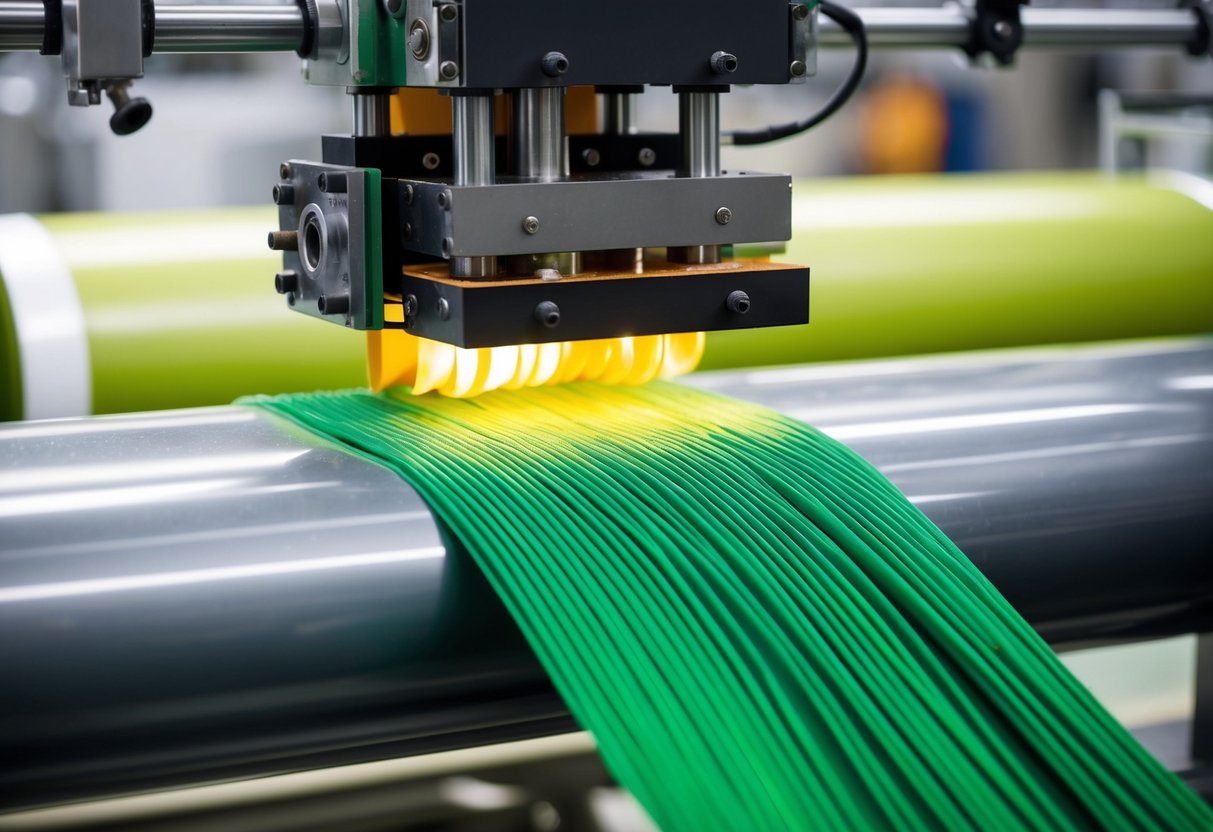
Artificial grass production follows several precise steps to create a durable, realistic-looking product. The process combines polymer science, textile manufacturing techniques, and quality control measures to ensure each turf product meets specific performance standards.
Fiber Production
The manufacturing journey begins with raw polymer pellets mixed with color and UV additives. These materials are typically polyethylene, polypropylene, or nylon, each offering different performance qualities.
The mixture is heated until it melts completely. This molten plastic is then extruded through small holes in specialized metal plates. The extrusion creates long strands that will become the grass blades.
Next, these strands go through a drawing process where they’re stretched to increase strength and create the desired thickness. The fibers are then shaped into specific profiles – flat, oval, diamond, or Y-shaped – depending on the turf type being produced.
Finally, the fibers undergo a texturizing process that crimps them slightly, giving artificial grass its natural-looking bounce and resilience.
Tufting and Backing
Once the fibers are ready, they enter the tufting phase. Large industrial tufting machines use hundreds of needles to punch the yarn through a primary backing material, usually made of polypropylene or polyester.
The tufting process creates thousands of loops per square meter. The density, height, and pattern of these tufts determine the final appearance and performance of the artificial grass. Precision is crucial here to maintain consistent quality.
After tufting, the loops may be cut to create realistic-looking grass blades of specific lengths. Specialized cutting machines slice through the loops to create individual blade ends.
The spacing between rows of tufts, known as the gauge, affects how natural the grass appears and how well it will stand up to foot traffic. Different applications require different gauges and pile heights.
Coating and Curing
The final major stage involves applying a coating to the back of the tufted material. This coating, typically made of polyurethane or latex, locks the tufts in place and provides dimensional stability.
During this process, tiny holes are created in the backing to allow for water drainage. Without these perforations, artificial turf would not drain properly after rain or irrigation.
The coated material then passes through a heating oven where the backing material cures and hardens. This curing process is carefully monitored to ensure proper adhesion without damaging the fibers.
Following curing, quality control teams inspect the product for consistency in color, pile height, and backing integrity. The finished artificial grass is then rolled onto large spools, ready for cutting to specific dimensions based on customer requirements.
Performance Characteristics
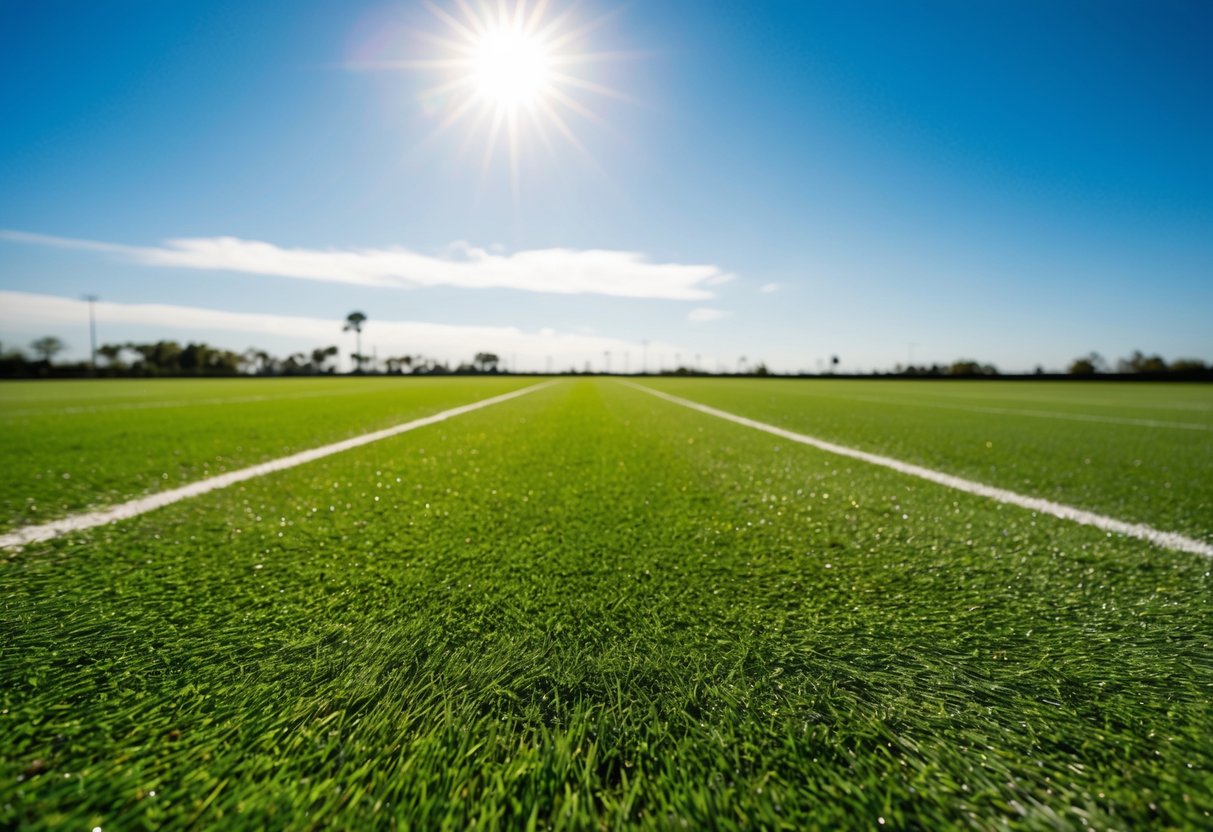
The key factors affecting artificial grass performance include how long it lasts, what maintenance it needs, and how it feels underfoot. These elements determine whether your synthetic turf investment will deliver good value over time.
Durability and Lifespan
Artificial grass is designed to withstand heavy use and harsh weather conditions. Most quality products can last between 15-25 years depending on usage intensity and installation quality. The durability of artificial grass comes from its multilayer construction.
Different fiber materials offer varying levels of resilience:
- Nylon: Strongest and most heat-resistant, but more expensive
- Polyethylene: Good balance of softness and durability, widely used
- Polypropylene: Less expensive but less durable than other options
UV stabilizers in modern turf prevent fading and degradation from sun exposure. This helps maintain the vibrant green appearance for years longer than older artificial grass products.
The backing material, typically made from polyurethane or latex, provides stability and contributes significantly to the overall lifespan of the product. Higher-quality backings resist moisture damage and prevent shrinking or wrinkling.
Maintenance Requirements
Artificial grass requires significantly less maintenance than natural grass. We estimate a 70% reduction in maintenance time compared to natural lawns. No mowing, watering, fertilizing, or seeding is needed.
Basic maintenance includes:
- Rinsing with water to remove dust and debris
- Brushing to keep fibers upright (monthly)
- Removing leaves and organic matter
For high-traffic areas, more frequent brushing helps maintain the turf’s appearance. Homes with pets require additional cleaning to remove waste and odors, though many modern turfs include antimicrobial treatments.
Occasional deep cleaning with a mild detergent solution helps maintain freshness. We recommend professional cleaning every 1-2 years for optimal performance. Special infill materials may need replenishment over time, particularly in areas with intense use.
Most artificial grass systems allow rainwater to drain through perforations in the backing. This prevents puddles and keeps the surface usable even after heavy rain.
Safety and Comfort
Modern artificial grass is engineered for both safety and comfort. Polyethylene fibers offer superior resistance to abrasion, reducing the risk of skin irritation during falls or slides.
Temperature management is important as synthetic surfaces can become hotter than natural grass in direct sunlight. Cooling technologies include:
- Special infills that absorb and release moisture
- Reflective fiber coatings to reduce heat absorption
- Subsurface cooling systems for premium installations
Proper infill selection affects both safety and comfort. Options include:
- Silica sand: Provides stability and ballast
- Crumb rubber: Offers cushioning but retains heat
- Cork and organic infills: Environmentally friendly with good cushioning
The combination of backing material thickness and infill type determines how the surface feels underfoot. Premium products offer more cushioning for safer play and greater comfort.
For areas with children and pets, we recommend selecting products with rounded, non-abrasive fibers and adequate padding to prevent injuries during falls.
Environmental Aspects
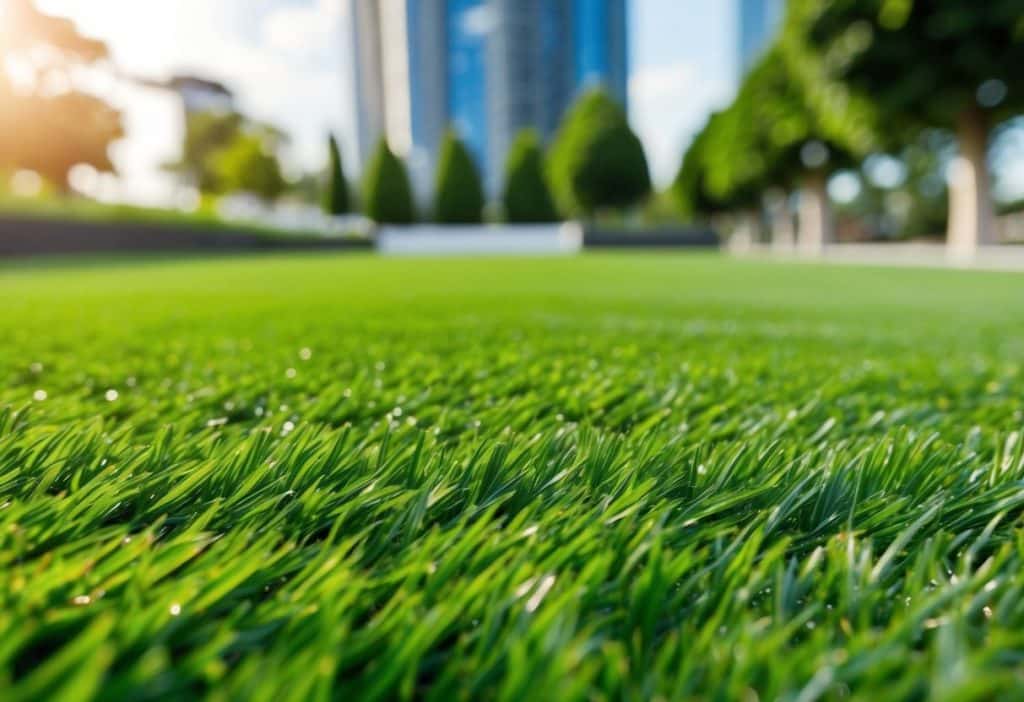
Artificial turf has complex environmental implications that extend beyond its appearance and functionality. These include sustainability concerns, water conservation benefits, and various ecological impacts worth considering before installation.
Recyclability and Sustainability
Modern artificial grass materials have improved significantly in terms of recyclability. Many manufacturers now create turf systems that can be separated into component parts for recycling at the end of their lifecycle. The backing materials, infill, and fibers can often be processed separately.
However, recycling artificial turf remains challenging. Many older installations contain mixed materials that are difficult to separate. The lifespan of quality artificial grass typically ranges from 8-15 years, which means less frequent replacement than some alternatives.
We should note that artificial grass production is energy-intensive. These products are primarily made from petroleum-based plastics, contributing to carbon emissions during manufacturing. Some eco-friendly alternatives now incorporate recycled materials or plant-based components to reduce environmental impact.
Water Conservation Benefits
Water conservation represents one of the strongest environmental arguments for artificial turf. Natural lawns require significant irrigation:a typical residential lawn may need thousands of gallons of water annually to stay green.
By switching to artificial grass, we eliminate the need for regular watering. This benefit becomes particularly valuable in drought-prone regions where water restrictions are common.
Water Savings Comparison:
| Turf Type | Annual Water Usage (1,000 sq ft) |
|---|---|
| Natural Grass | 20,000-60,000 gallons |
| Artificial Turf | 0 gallons (occasional cleaning only) |
Artificial turf also eliminates the need for water-intensive maintenance activities like fertilizing and mowing that natural grass requires.
Environmental Impact Considerations
Despite water benefits, artificial turf creates several environmental concerns. These surfaces can become significantly hotter than natural grass during sunny weather, contributing to urban heat island effects and potentially causing burns to users.
Microplastic pollution presents another serious issue. As artificial grass ages, it can shed plastic fibers that enter waterways through runoff, contributing to widespread environmental contamination.
Artificial turf also reduces habitat for beneficial insects and soil microorganisms. Natural lawns, while resource-intensive, provide ecosystem services that synthetic alternatives cannot match.
Water runoff patterns change with artificial installations. While they reduce fertilizer and pesticide runoff, they may increase the speed and volume of stormwater flowing into local watersheds, potentially contributing to flooding or erosion.
Installation and Maintenance
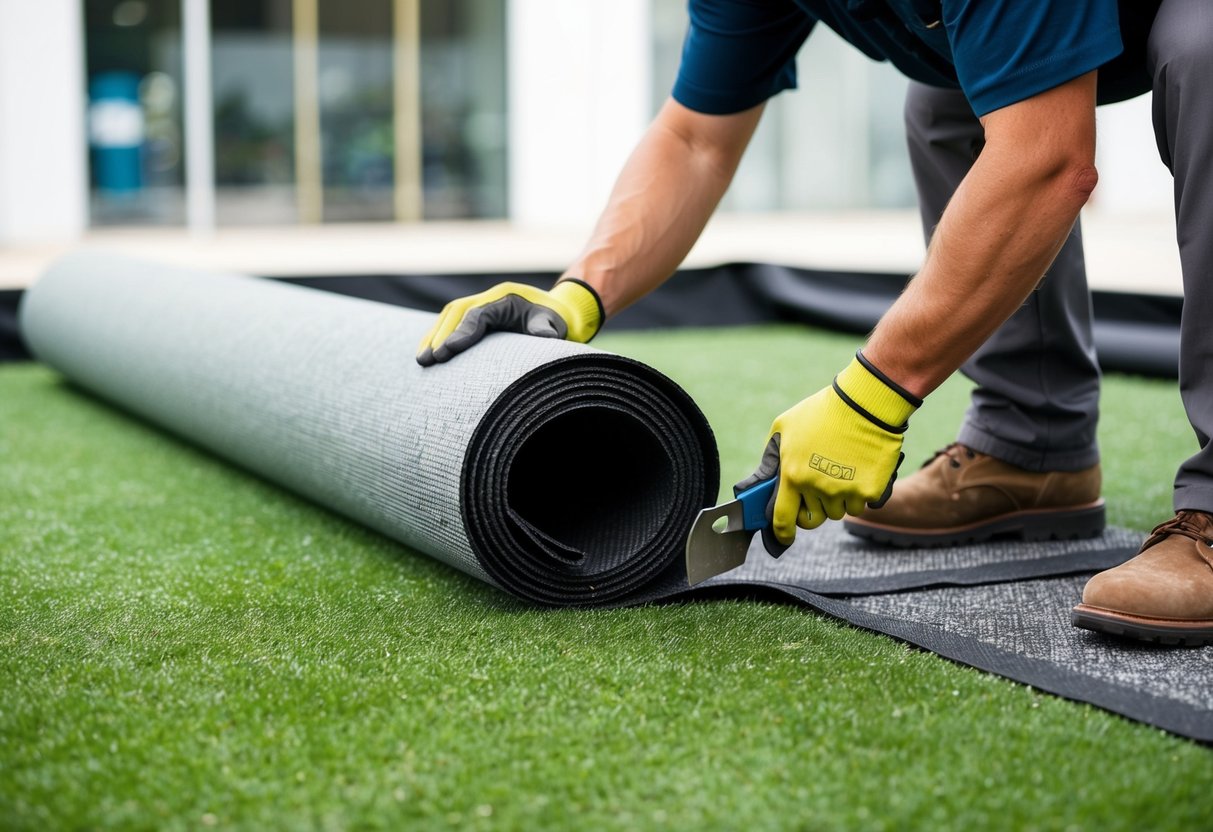
Installing artificial grass requires careful preparation and proper technique to ensure longevity and optimal appearance. With the right approach to maintenance, your synthetic lawn will continue to look fresh and natural for many years.
Preparing the Base
The foundation of a successful artificial grass installation begins with proper base preparation. First, we recommend removing all existing vegetation, including grass, weeds, and roots to a depth of 3-4 inches. This prevents unwanted growth from damaging your new turf.
Next, create a solid foundation using a base material of crushed stone or decomposed granite. This layer should be 3-4 inches thick and compacted thoroughly. Proper compaction is crucial as it prevents future settling and creates a stable surface.
For drainage, ensure the base has a slight slope (about 1-2%) away from buildings. We also suggest installing a weed barrier membrane over the compacted base to prevent weed growth while allowing water to drain through.
The final step before laying turf is adding a thin layer (½-1 inch) of fine material like sand or crushed stone screenings to create a smooth surface.
Laying the Artificial Turf
Begin by rolling out your artificial grass and allowing it to settle for 1-2 hours. This helps the material relax and flatten before permanent placement. Position the turf with the blades pointing toward your main viewing area for the most natural appearance.
Trim the edges carefully using a sharp utility knife, cutting from the backing side for precision. When joining multiple pieces, use seaming tape and adhesive for a seamless look. Align the grain direction of each piece to maintain a uniform appearance.
Secure the edges with landscape stakes or nails every 6-8 inches around the perimeter. For larger installations, place nails throughout the interior about 12-18 inches apart to prevent shifting or rippling.
Finally, add infill material (sand or rubber granules) to help support the grass fibers and provide weight. Brush the turf with a stiff broom to distribute the infill evenly and help the blades stand upright.
Regular Care and Cleaning
Maintaining artificial grass is significantly easier than natural lawns but still requires some attention. We recommend regular brushing with a stiff-bristled broom to keep fibers upright, especially in high-traffic areas. This should be done in the opposite direction of the natural grain.
Remove debris such as leaves and twigs promptly with a leaf blower, plastic rake, or broom. For pet owners, solid waste should be picked up immediately, and areas can be rinsed with water or a mild disinfectant solution.
For deeper cleaning, use a mixture of mild soap and water occasionally to remove stains. Avoid using harsh chemicals that might damage the fibers or backing. Rinse thoroughly with water after cleaning.
In areas with heavy snowfall, allow snow to melt naturally rather than using metal shovels that could damage the surface. Light snow can be brushed away with a broom if needed.
Key Applications and Usage
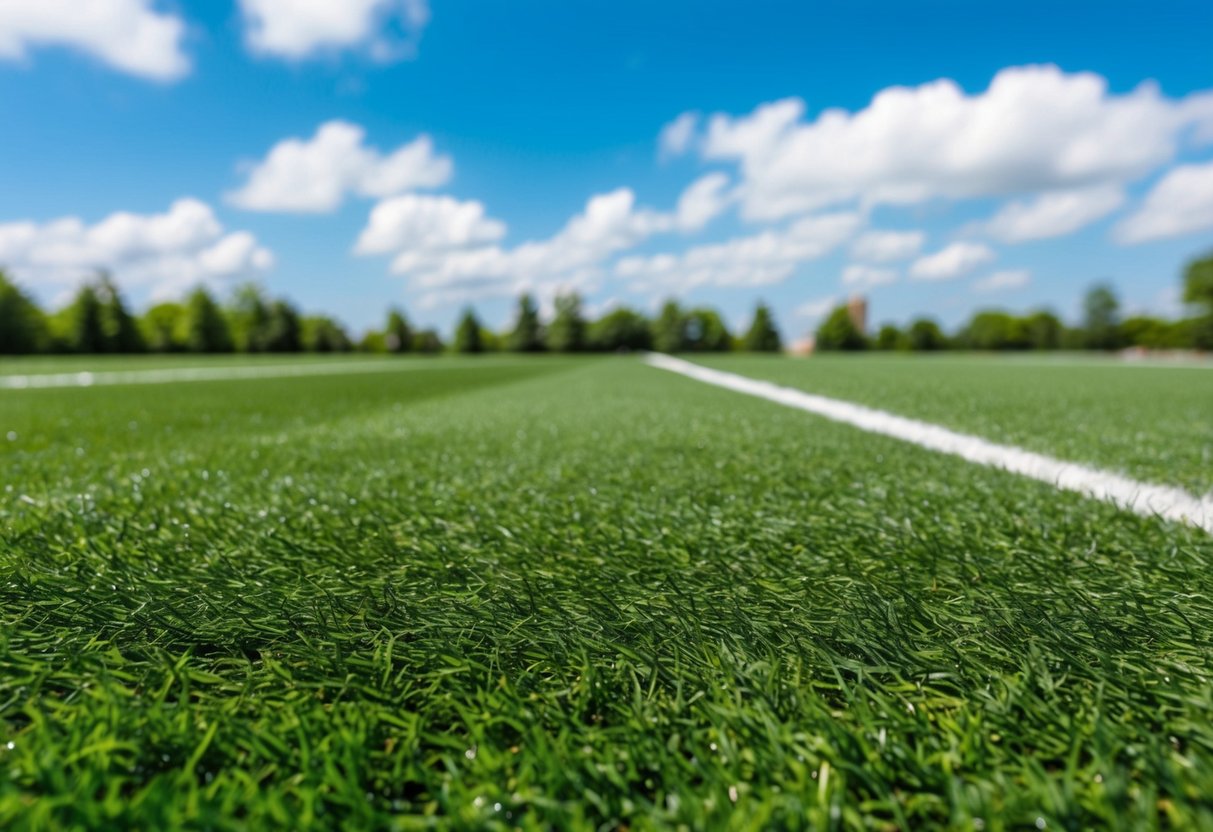
Artificial grass and turf materials have evolved to serve multiple purposes across various environments. These versatile surfaces provide durable, low-maintenance alternatives to natural grass in settings where traditional landscaping faces challenges.
Sports Fields
Artificial turf has revolutionized sports facilities worldwide. Sports fields benefit from artificial turf’s consistent playing surface and durability under heavy use. Football and soccer stadiums particularly favor these materials for their ability to withstand intense gameplay and varying weather conditions.
Professional sports venues often choose specialized turf systems with shock-absorbing underlays to reduce player injuries. These systems include:
- Impact-reducing infill materials
- Specialized fiber blends for ball roll and bounce
- Drainage systems capable of handling heavy rainfall
College and school athletics facilities increasingly install artificial turf to extend playing seasons and reduce maintenance costs. The playability of these surfaces remains consistent year-round, eliminating mud and uneven areas that can cause injuries.
Youth sports organizations benefit from reduced cancellations due to weather, as artificial fields drain effectively and don’t form puddles or become muddy.
Landscaping and Gardens
Residential gardens represent one of the fastest-growing applications for artificial grass. Homeowners choose synthetic options for areas where natural grass struggles to grow or requires excessive maintenance.
Key landscaping applications include:
- Drought-prone regions where water conservation is essential
- Shaded areas where natural grass grows poorly
- Small urban spaces needing low-maintenance greenery
Pet owners appreciate artificial grass for its durability and easy cleaning. Modern pet-friendly varieties include antimicrobial treatments and effective drainage systems that prevent odor build-up.
Artificial grass also works well in balconies and rooftop gardens, transforming concrete urban spaces into green retreats. These installations typically use lightweight systems with specialized drainage layers.
Landscape designers increasingly incorporate artificial grass as a design element, using it to create defined areas within larger landscaping schemes.
Commercial and Residential Settings
Beyond traditional applications, artificial grass has found numerous uses in both commercial and residential settings. Hotels and resorts install artificial turf to maintain pristine-looking grounds with minimal upkeep.
Commercial applications include:
- Hotel and restaurant outdoor spaces
- Corporate campus common areas
- Retail display spaces and storefronts
Indoor applications have grown in popularity, with artificial grass appearing in creative office spaces and commercial interiors. These installations add biophilic elements without the maintenance challenges of living plants.
Residential uses extend to playground surfaces, where specialized safety-focused artificial grass provides cushioning for falls. Many installations include padded underlayment systems specifically designed to meet playground safety standards.
Multi-family housing complexes benefit from artificial grass in common areas, reducing maintenance costs while providing attractive green spaces for residents to enjoy.